

UR Medicine Experts Join National Effort to Update TB Treatment Guidelines
New treatment guidelines for active tuberculosis (TB) were released by a national panel of experts led in part by University of Rochester Medical Center (URMC) physicians. The new approach provides an easier course of care for many people with active TB.
The guidelines formalize use of the latest and most effective medications to improve outcomes for people with active and drug-resistant TB. The recommendations were published in the American Journal of Respiratory and Critical Care Medicine.
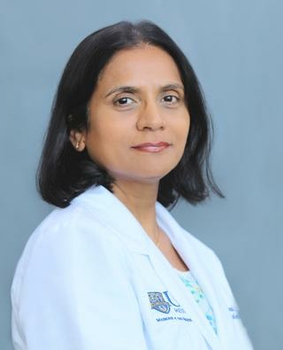
“This is a transformative step in TB care, recommending new medications and shorter regimens that address patients’ and providers’ needs while improving health outcomes worldwide,” said Sonal Munsiff, MD, URMC Infectious Diseases expert who has studied TB for more than 20 years and was author of the New York City ‘TB manual.”
Aimed at treating drug-susceptible and drug-resistant disease, the guidelines reduce treatment durations by using all-oral regimens, fewer medications, reduced pill burden, and minimized adverse drug effects—outcomes that align with the preferences of both patients and healthcare providers. For some patients, the regimen can be shortened from 24 months to six months.
A nationwide, multidisciplinary group of experts representing the American Thoracic Society, Centers for Disease Control and Prevention, European Respiratory Society, and the Infectious Diseases Society of America reviewed recent data and outcomes. The new protocol has been used for the last few years, and this review formalized its efficacy in the U.S. guidelines.
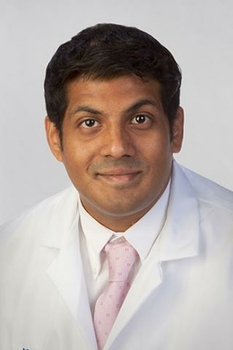
Munsiff led the clinical practice panel representing the Infectious Diseases Society of America. URMC researcher and pulmonologist Manoj Mammen, MD, was the lead methodologist with the American Thoracic Society.
TB incidence is low in the U.S., though annual cases are rising. Prior to the pandemic, there were 8,900 cases and in 2023, that number increased to more than 9,600. Health leaders are also monitoring an outbreak in eastern Kansas.
The disease is spread through the air while talking, coughing or even singing. People with active TB have traditionally endured prolonged therapy, sometimes as long as two years. These updated guidelines recommend the use of new, more effective medications that are easier to tolerate for people with drug-resistant forms of TB.
“Across the globe, the burden of this disease is tremendous,” Mammen said. Health leaders have prioritized eradication of the disease by 2035 and “we continue working to improve treatments to save lives.”
Author
