

The URMC Origin Story: A Vision That Shaped a Century
A Vision Rooted in Reform
In the early 20th century, a new idea was taking hold in American medicine. For too long, medical schools had functioned as for-profit institutions with minimal academic standards and little oversight. That began to change with the Flexner Report of 1910, which advocated for a new model of academic medical centers that integrated rigorous scientific research with hands-on patient care and comprehensive medical education. This blueprint became the foundation of academic medical centers across the country.
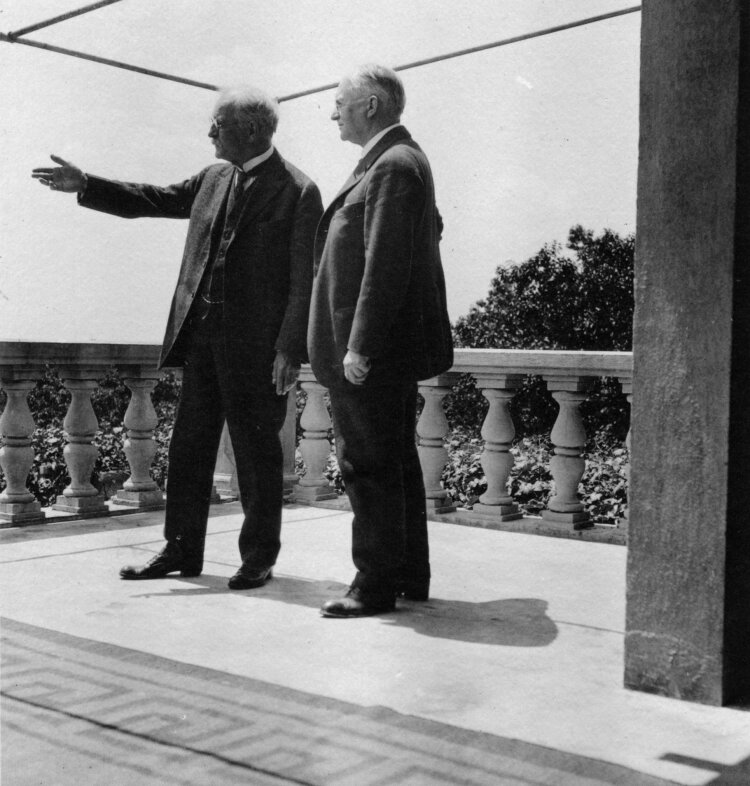
A decade later, Abraham Flexner approached University of Rochester President Benjamin Rush Rhees with a vision: to build a new kind of medical school grounded in research, scientific rigor, and clinical integration. Rhees immediately recognized how this aligned with his goal to shape the University into a world-class institution.
Determined to make the vision a reality, Rhees recruited support from Rochester’s leading philanthropists—including George Eastman, whose passion for education and public health made him a natural partner. Eastman ultimately contributed $5 million and donated his dental clinic to support the endeavor. Additional backing came from the General Education Board of the Rockefeller Foundation and the Strong family.
A Model Ahead of Its Time
In 1925, the University of Rochester launched its School of Medicine and Dentistry, Strong Memorial Hospital, and the School of Nursing as an integrated triad. These institutions were designed from the beginning as a fully cohesive academic medical center, where patient care, education, and research were closely interconnected in daily operations—a structure rare and prescient for its time.
As founding dean, George Whipple—a physician-scientist and Nobel laureate—developed a curriculum grounded in laboratory science and clinical training. His faculty included figures like Stanhope Bayne-Jones and Harold Hodge, who helped establish Rochester as a hub for rigorous academic medicine. From the outset, students were immersed in both research and bedside care, guided by the belief that understanding disease required a deep knowledge of both biology and human experience.
In September 1925, the School of Medicine and Dentistry admitted its first class of 22 students, selected not only for their academic performance but for their promise as future physician-leaders. Eighteen of those students graduated—including one woman. The hospital also served as a site for public health education, offering clinics in dentistry, tuberculosis, and pediatrics in the same building as inpatient care.
Strong Memorial Hospital opened in January 1926 with 250 beds, staffed in part by medical and nursing students. Its architecture reflected the era’s emphasis on hygiene, light, and efficiency, with facilities including surgical suites, radiology, and a clinical pathology lab. This early integration of services set a precedent. Rochester’s new medical center was not only a place to learn and practice—it was designed to advance the very systems by which care was delivered and understood.
Elevating Nursing Education
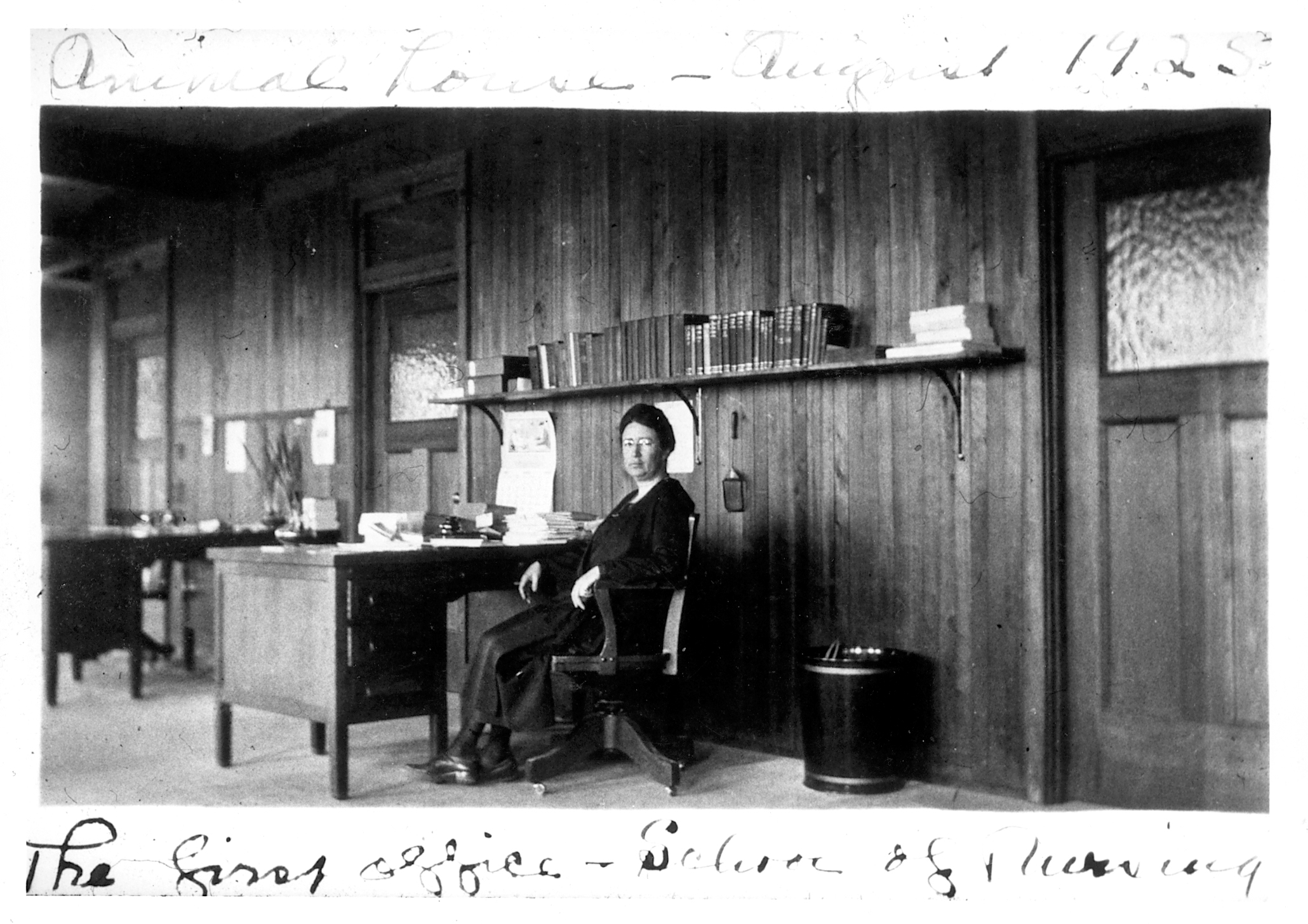
At the same time, nursing education nationwide was undergoing a transformation. The 1923 Goldmark Report, commissioned by the Rockefeller Foundation, called for higher educational standards, more faculty training, and better integration with universities. It emphasized that nursing should be taught as a profession, not just a trade. The University of Rochester seized this moment to become a national pilot: the School of Nursing’s founding superintendent, Helen Wood, actually served on the Goldmark committee and came to Rochester to bring its vision to life.
Wood championed a collegiate model in which nursing education, clinical service, and research were intrinsically linked—establishing the director’s joint responsibility for both the nursing school and the delivery of nursing service at Strong Memorial Hospital.
In the fall of 1925, the School of Nursing welcomed its first class of 16 students, all of whom were prepared through a full academic curriculum with courses in the liberal arts and the sciences, biology, chemistry, public health, and psychology—unusual for nursing programs at the time. Clinical experience was gained at Strong Memorial Hospital, and students participated in community outreach projects that laid the groundwork for modern population health.Reconciling with a Complicated Past
It was a bold and ambitious start, one that launched a century of innovation. Yet, like many institutions of the era, URMC’s early years were marked by exclusion. Despite outstanding academic records, Jewish and Black students were often denied admission or advancement, and women faced systemic barriers across programs. Men were not allowed to enroll in the nursing school until 1960, and married women faced strict restrictions unless their husbands were serving abroad.
Change was driven by determined students, alumni, and community members, whose challenges to the status quo helped open doors and set in motion a culture of ongoing self-reflection and reform. Today, we honor their legacy by continuously working to build a better future.
A Legacy That Lives On
As we reflect on our founding, we celebrate the power of a bold idea: that research, education, and patient care are strongest when united. That idea became a reality in Rochester, thanks to visionary leaders and a community that believed in the transformative power of health care.
A century later, that vision continues to guide how we educate, innovate, and care for those we serve.