

Strengthening Clinical Decision-Making in Orofacial Pain Through Systematic Review
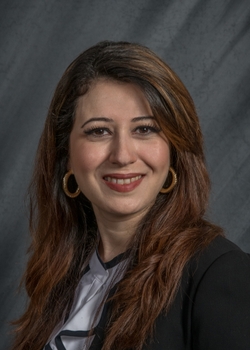
Improving patient comfort and advancing the treatment of orofacial pain is a major goal of Eastman Institute for Oral Health’s Dr. Maryam Altuhafy. Through systematic reviews, the assistant professor and Orofacial Pain Clinic director examines evidence-based strategies to reduce pain, promote healing, and strengthen the scientific foundation of clinical dental care.
A major focus of this research is minimizing pain during routine dental procedures, including the delivery of local anesthesia. In a frequently cited paper published in the Journal of Dental Anesthesia and Pain Medicine, Dr. Altuhafy showed that patients experience significantly less pain when Computer-Controlled Local Anesthesia Delivery (CCLAD) devices are used. CCLAD systems administer anesthetic at a precisely controlled rate and pressure, reducing the discomfort often associated with conventional injections. The review also found that patients receiving anesthesia via CCLAD devices tend to feel calmer and more cooperative, perhaps partly because the technology hides the needle from view.
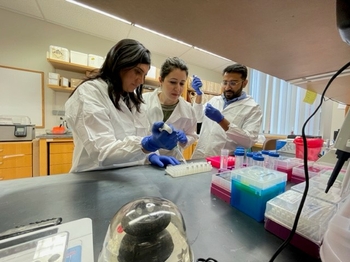
Complementing this work, Dr. Altuhafy has also examined other strategies for reducing injection-related discomfort, including photobiomodulation laser therapy and the application of sweet solutions to the tongue. Collectively, this research demonstrates how advances in technology can work alongside simple, easily implemented approaches to improve comfort and reduce anxiety for patients.
Dr. Altuhafy’s research extends to endodontics, where effective pain control and tissue healing are critical to treatment success. In a systematic review evaluating mineral trioxide aggregate (MTA), published in Evidence-Based Dentistry, her work showed that this material results in lower levels of postoperative pain compared to commonly used alternatives such as calcium hydroxide. She has also examined pain associated with orthodontic treatment, identifying simple interventions – such as chewing gum or bite wafers – that may help alleviate patient discomfort.
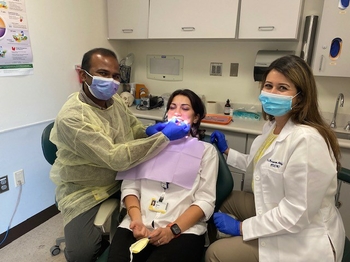
Her work also addresses complex pain conditions beyond the dental operatory, including oral mucositis, a debilitating condition that frequently affects patients undergoing treatment for head and neck cancers. In a study published in Supportive Care in Cancer, Dr. Altuhafy and colleagues found evidence suggesting that gabapentin mouthwash may help manage mucositis-related pain, improve patient comfort, and reduce reliance on opioid medications.
As an orofacial pain specialist, Dr. Altuhafy has also published numerous systematic reviews exploring emerging therapies for temporomandibular joint (TMJ) disorders and other conditions. These include evaluations of botulinum toxin injections, trigger point injections, and the combined use of photobiomodulation and facial exercises.
“Pain affects more than just a single procedure – it shapes how patients feel about dental care as a whole,” Altuhafy said. “At EIOH, we are committed to advancing research and clinical care that help deliver the most effective and compassionate care for patients.”
Author
