

Unraveling the Web of Chronic Pain
How Transdisciplinary Pain Research Looks to the Brain for Answers
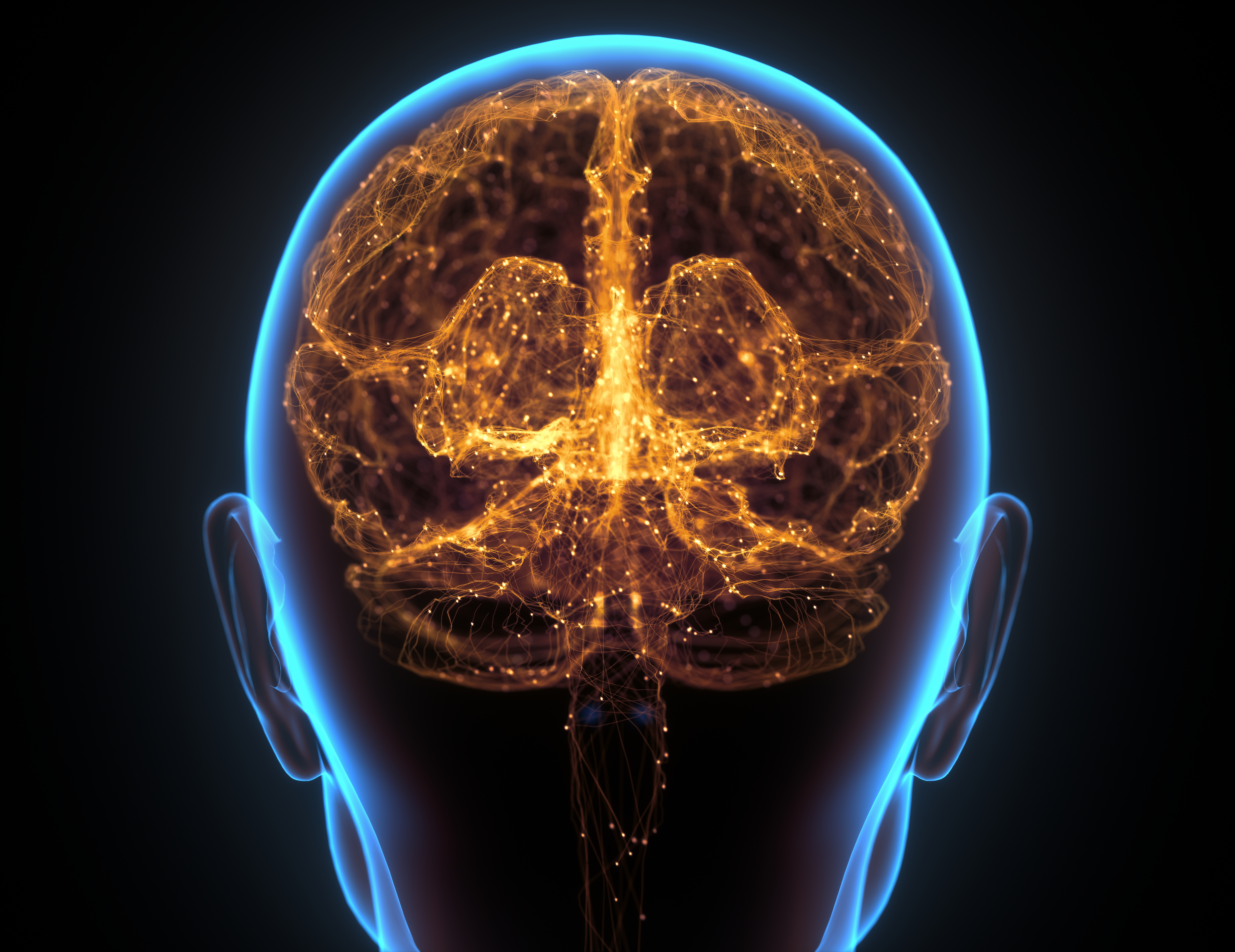
One in five. That is how many adults suffer from chronic pain in the United States. It affects more people than heart disease, diabetes, and cancer combined. That is more than 50 million people who may not be able to work or participate in everyday activities. But despite its enormous human toll, it is a condition that is still measured subjectively. The gold standard is to rate one's pain on a scale from 0 to 10 on how minor to extreme or intense the pain is in the moment and often in the past 24 hours.
“I would not be that ambitious to say that we are going to measure pain objectively, but would say that what we are trying to do is come up with quantitative measures that are richer than the standard scale, and that are valid in the sense that every time you measure them you tend to get the same answer and it will tell you a lot about what the patients are going through,” said Paul Geha, MD, associate professor of Psychiatry, Neuroscience, Dentistry, and Neurology. Geha’s research has identified structural changes in the brain of people who suffer from chronic pain, but his work has also shown that there may also be a way to predict who is at risk of developing chronic pain. “There are changes in the white matter of the brain. These are people out there who don’t have chronic pain now, but their brain is more susceptible to developing a chronic pain condition.”
For Geha, pain and the brain exist in tandem. “All pain is psychological because we really need to be conscious to feel pain,” Geha said. “We feel pain with our brains, not with our knees and our backs, and in that sense, all pain is psychological. And all pain has a psychological component that is what we need to start with and understand that the injury model does not go far enough to explain the patient's problems.”
Discovering How to Measure Pain and Risk

Eli Eliav, DMD, PhD, MBA, serves as Director of the Eastman Institute for Oral Health at the University of Rochester. He provides care for patients with chronic orofacial pain and leads a research program dedicated to uncovering the mechanisms and risk factors that contribute to the development of chronic pain. His work addresses a range of conditions, including chronic pain that follows dental procedures, nerve injuries, and other chronic orofacial pain disorders. In his laboratory, Eliav and his team have developed several animal models to study neuropathic pain, including models for orofacial pain and spinal nerve injury. Their findings show that animals with strong endogenous pain modulation systems, the central nervous system’s ability to reduce or augment pain, are less likely to develop chronic pain after nerve injury. In contrast, those with impaired modulation often experience more severe and widespread pain following injury.
The research team includes Qian Wang, PhD, who leads the basic science efforts, along with collaborators from other institutions. To evaluate pain modulation, they use conditioned pain modulation in humans, where one painful stimulus reduces the perception of another, and exercise-induced hypoalgesia—a decrease in pain sensitivity after exercise—in both humans and animal models. These approaches have revealed fundamental differences between individuals with effective and less effective pain modulation, including distinct gene expression patterns. These discoveries may lead to new therapeutic targets that strengthen the body’s pain regulation systems and reduce the likelihood of chronic pain following injury.
The team has also identified differences in how animals with varying pain modulation capacities respond to medications commonly used for pain management. These findings support the potential for more personalized approaches to pain prevention and treatment. Eliav says the ability to identify patients at higher risk before surgery or injury could help tailor treatment strategies and guide the development of new therapeutic options.
This is some of the research he is now collaborating with Geha on. While Eliav translates his animal models to humans, Geha looks to do the opposite: reverse translation to investigate what he has already found in humans. In previous research, Geha discovered that in humans, changes in the volume of the nucleus accumbens, a component of the limbic system of the brain, can indicate if someone is at a greater risk of developing chronic pain. Using rat models from the Eliav lab, and the 9.4 Tesla magnet, a high precision MRI machine that allows detailed imaging of small structures, they have found similar brain changes, as Geha has found in humans. This reverse translation allows researchers to ask more specific questions about the brain and look at mechanisms, genes, proteins, and cells—anything that may be involved in causing, predicting, or preventing chronic pain. “To conduct pain research, a multidisciplinary approach is key,” Eliav said. “There will never be one molecule or one drug that will solve all the pain problems in the world.”
Treating the Whole Patient – Biopsychosocial Model – no one answer or solution
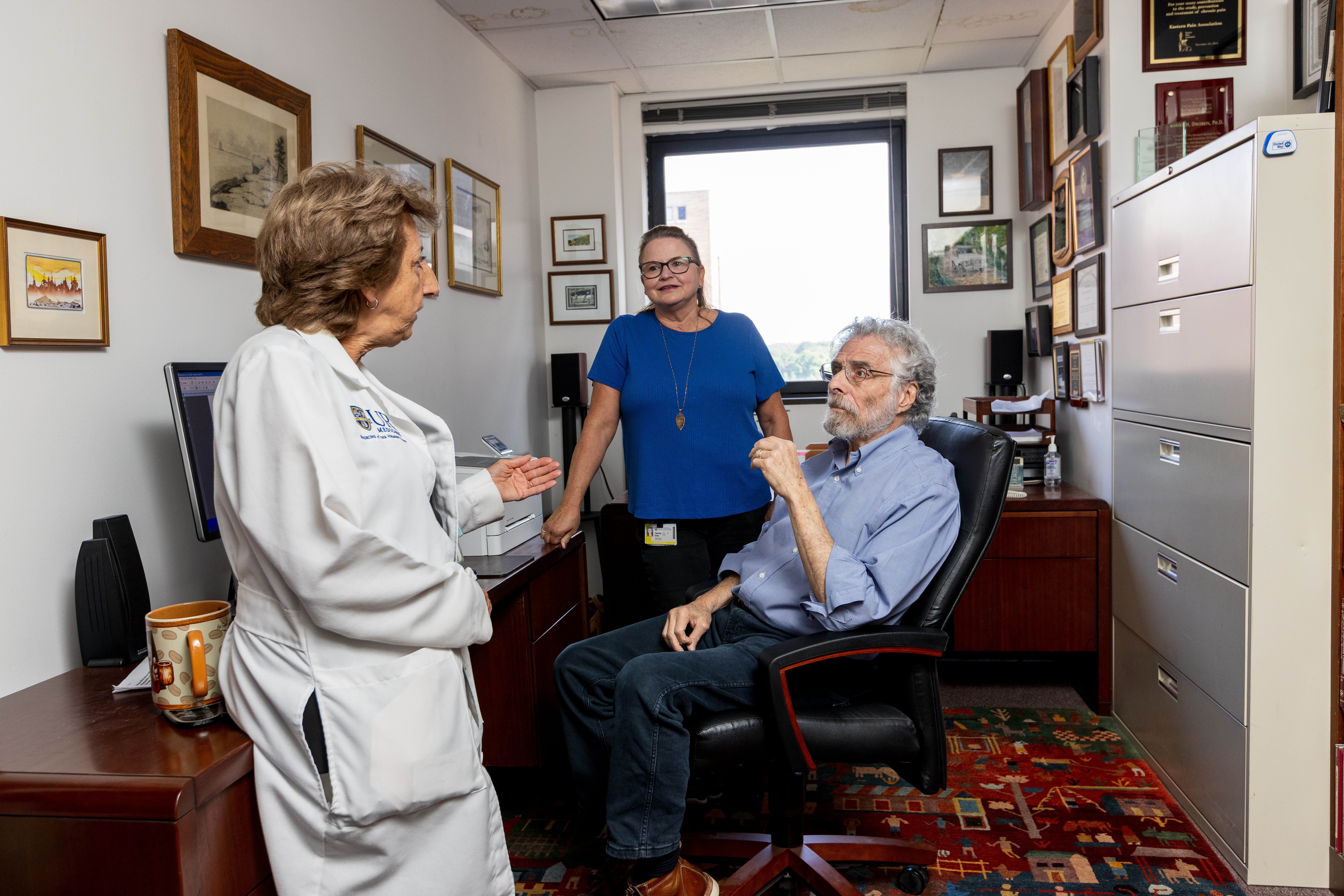
The history of pain research can be traced to the field of Anesthesiology. Robert Dworkin, PhD, professor of Anesthesiology and Perioperative Medicine, Neurology, and the Center for Health + Technology, began working in the field in 1982. “We have appreciably more evidence-based pharmacologic treatments, and the use of interventional approaches such as neuromodulation has also increased greatly,” Dworkin said. He has participated in and led dozens of clinical trials for chronic pain treatments over the last three decades. Along with the internal resources available to translational researchers to design and conduct clinical trials on chronic pain, Dworkin points out that a clinical approach developed in the 1970s at the Medical Center is an essential factor in pain research and care. “The one very important consistency over all these years is that state-of-the-art treatment for chronic pain is multidisciplinary, typically including physicians, nurse practitioners, physician’s assistants, psychologists, physical therapists, and others. This treatment approach reflects the fact that chronic pain is almost always a truly biopsychosocial condition.”
He is also the director of the Analgesic, Anesthetic, and Addiction Clinical Trial Translations, Innovations, Opportunities, and Networks (ACTTION), a public-private partnership with the US Food and Drug Administration that helps set the international agenda for pain research. And since 2001, has co-chaired the Initiative on Methods, Measurement, and Pain Assessment in Clinical Trials (IMMPACT). “Both initiatives remain very active and have ongoing efforts involving, for example, multi-lab replicability of an animal model of neuropathic pain, recommendations for conducting clinical trials of central sensitization, and identification of substance use disorder phenotypes in a large multicenter study,” said Dworkin.
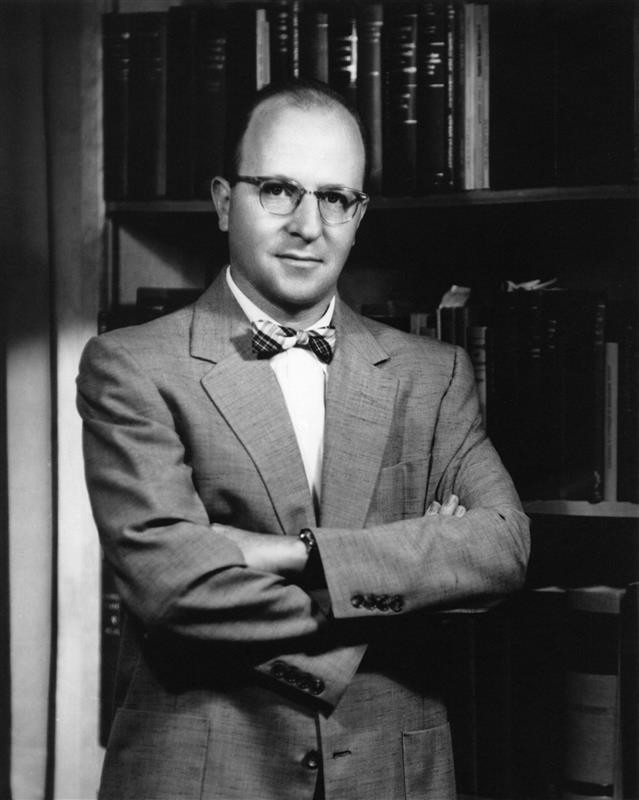
HISTORY OF BIOPSYCHOSOCIAL MODEL
Team Science Leads to Discovery
Jennifer Gewandter, PhD, MPH, associate professor of Anesthesiology and Perioperative Medicine, Dentistry, Neurology, and Neurosurgery. Her research focuses on designing and implementing high-quality randomized clinical trials (RCTs) for chronic pain. She and her team conduct NIH- and industry-sponsored RCTs of non-pharmacologic and pharmacologic interventions for chronic pain. Her newest project is focused on developing a mind-body connection program using yoga to treat chronic pain. Along with physical poses to increase strength and mobility, this holistic pain care aims to help patients manage the impact of their pain on their daily life through breath work and meditation. “Yoga has been shown to improve sleep disturbance, fatigue, and anxiety, which are symptoms that commonly occur with chronic pain. There is literature to support these benefits, but the big gap in the literature is how to get people who are living with chronic pain and likely have decreased mobility to try it and keep it up,” Gewandter said. “My goal is to develop a program that will help people start the physical poses at a level that is appropriate for their current physical capabilities. I hope to avoid having people stop after a few classes because it is too challenging, allowing them to stick with it long enough to feel the amazing benefits that a full yoga practice can provide for both the body and the mind.”
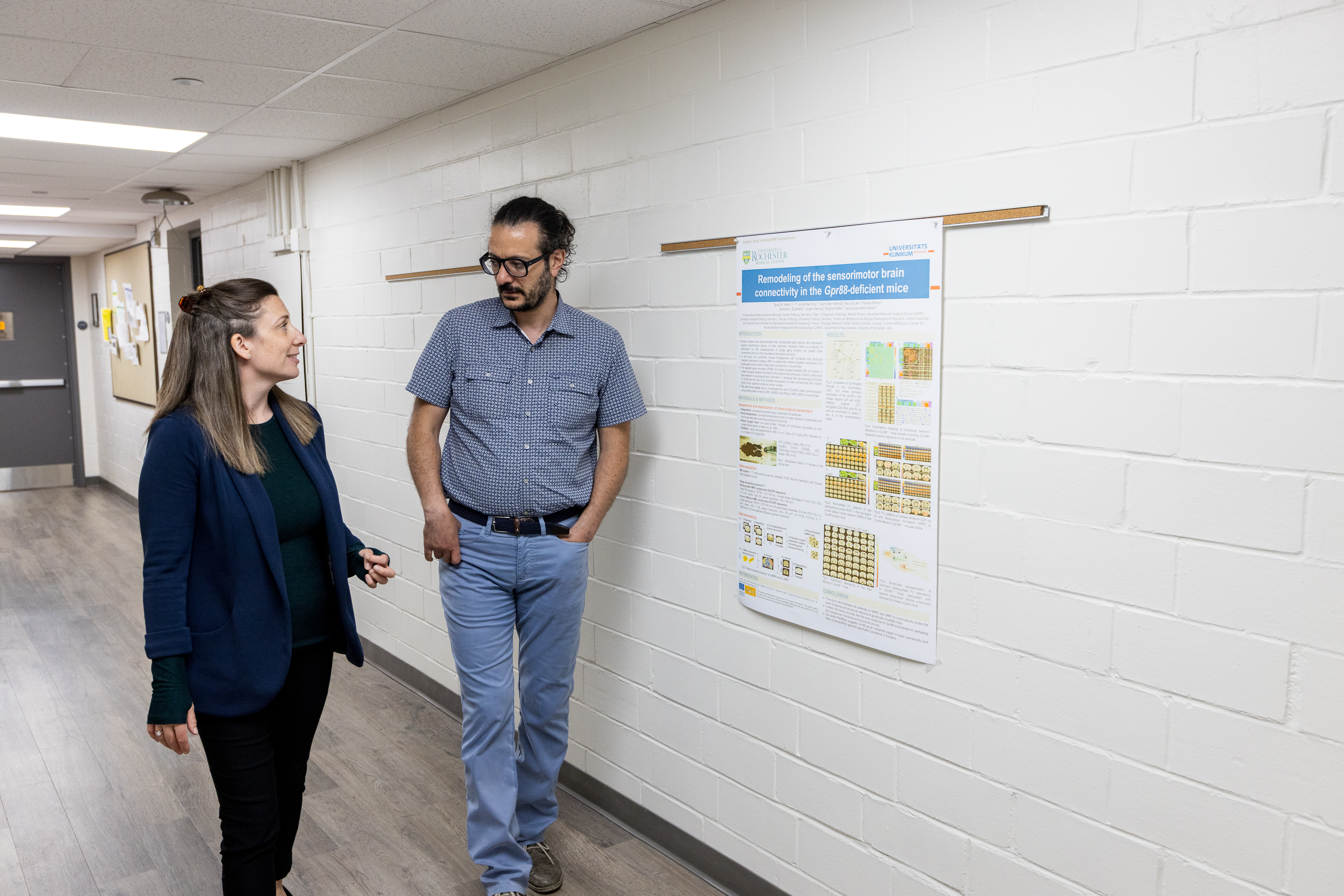
Working with Neurosurgeon Steven Solder, MD, in the Neuromedicine Pain Center, Geha and Gewandter are recruiting people living with pain who are undergoing spinal cord stimulation. Prior to permanent implantation of a spinal cord stimulator, patients must go through psychological clearance, but that is only designed to make sure important diagnoses, like PTSD or substance abuse, are not missed. This research could someday replace that step and also add the ability to predict the possible outcome of the procedure, which nationally averages about a 50 percent success rate. “Potentially, this tool can be used to predict how well someone will respond to something like a spinal cord simulator,” Gewandter said. “We know that people who are very depressed or have high pain catastrophizing, for example, they can't imagine their pain getting better, are less likely to respond to a spinal cord stimulator or any surgery for that matter.”
“There is an improved understanding, I think, across disciplines, about the psychological aspect of pain. It’s not just related to muscles, tendons, and bone, but it is also related to the nerve fibers, the spinal cord, the brain stem, the cortex, all are processing and receiving input,” Geha said. “When someone comes in with back pain, they do not think to refer them first to a psychologist to talk about life experience or how they started to get pain – first they get an injection, and I think this needs to change to move the field forward.”
Originally published in NEUROSCIENCE Volume 26.
