

Healthy Living
Vitamin D and Your Bones: Why Does It Matter?
If you’ve ever broken a bone, you know how quickly it can change your daily life. For older adults, even a small fracture can mean months of recovery—and sometimes the loss of independence. That’s why protecting your bone health now is so important.
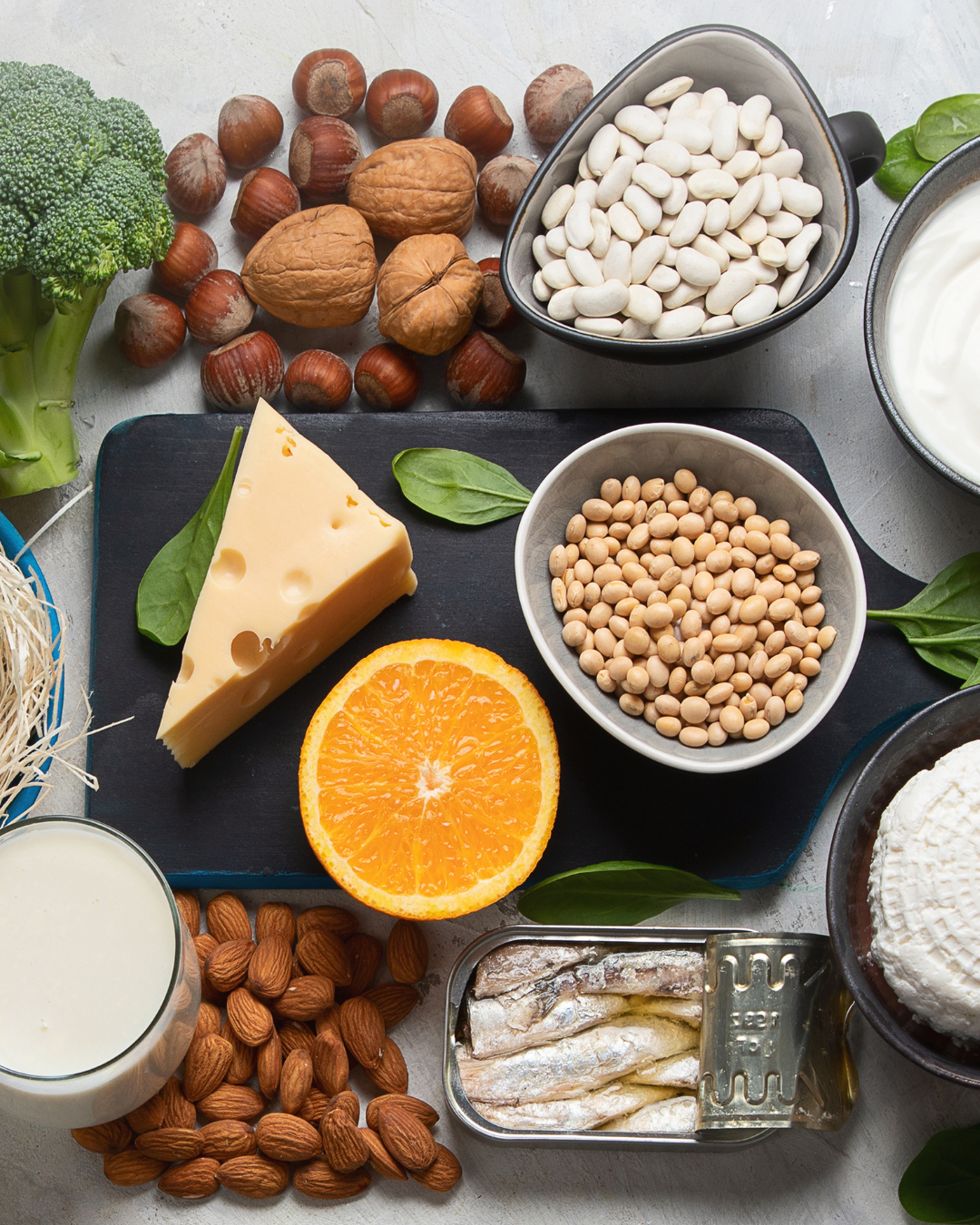
Two key nutrients—calcium and vitamin D—work together to keep bones strong. Calcium builds and maintains bone structure, while vitamin D acts like the “chauffeur,” helping your body absorb calcium effectively. Without enough of either, bones become weaker and more prone to breaks.
“Our bones are constantly breaking down and rebuilding,” explains Holly Gilligan, MA, RD, Sports Medicine registered dietitian. Calcium is essential to this process. However, many people are not getting enough of it.”
According to the National Institutes of Health, nearly 30% of postmenopausal women in the U.S. and Europe have osteoporosis, and at least 40% will suffer a fragility fracture—an injury that can occur from something as minor as a fall from standing height.
Children and adults also fall short: nearly half of kids ages 4–18, and 39% of people over 4, consume less calcium than recommended.
How much calcium do you need?
As you age, you need more calcium because your bones don’t absorb it as efficiently. The Recommended Daily Allowance rises from 1000 mg to 1200 mg when women reach 50 and when men reach 70.
Is it better to get calcium from food or supplements?

The best way to get calcium is from food. Dairy products are the richest sources, and low-fat or fat-free options are widely available. For those with dairy intolerance or allergies, nut and grain milks, and fortified foods (like cereals, breads, and juices) can provide your body with the calcium it needs.
Supplements are an option if diet alone isn’t enough, but you should:
- Spread intake throughout the day
- Avoid taking calcium supplements at the same time as dairy
- Be mindful of medication interactions
Vitamin D: Calcium's "Chauffeur"
Vitamin D helps deliver calcium to your bones. Without it, calcium isn’t absorbed effectively. Because vitamin D is produced in the skin when exposed to UVB rays, people in western New York (and other northern regions where the sun doesn’t always shine) can be deficient in the vitamin, especially during winter.
Foods high in vitamin D include:
- Fatty fish (salmon, sardines, trout)
- Dairy products and fortified alternatives
- Egg yolks
- Mushrooms
- Fortified orange juice

What interferes with calcium absorption?
- Caffeine (more than three cups a day can block absorption)
- Oxalate-rich foods (like spinach)
- Phosphoric acid in sodas and seltzers
For women over 50, three to four servings of calcium-rich foods daily usually meet the 1,200 mg requirement—for example: a cup of milk at breakfast, two ounces of cheese, and a serving of yogurt.
While you can get too much calcium, most people fall short of rather than exceed safe limits. A supplement paired with a balanced diet can help ensure your bones get the nutrients they need to stay strong.
Get Expert Nutrition Advice at Any Age
Work one-on-one with a registered dietitian to learn the ins and outs of food and nutrition, how it relates to your current circumstances, and how to practically include personalized strategies into your lifestyle—all while receiving consistent support to give you the edge and get you to your goals.