

Best High-Protein Snacks for Bone Health
Protein is essential for bone health and preventing osteoporosis, which is especially common in women. Most people know that calcium is vital for building strong bones. But according to Registered Dietitian Nutritionist Holly Gilligan from UR Medicine Fitness Science, our bones are made up of a significant amount of protein as well—about 30%.
Gilligan says that in addition to lowering the risk of conditions like osteoporosis and osteoarthritis, a high-protein diet can:
- Stimulate bone formation and reduce bone loss
- Increase calcium absorption
- Support muscle strength, which helps prevent falls and fractures
Recommended Protein Sources for Women and Men
The protein needs of men and women can vary based on age and life stage, but getting enough is essential throughout your lifetime.
- Adult women and men (ages 19-50): 1.2-2.2 grams of protein per kilogram of body weight (g/kg). The higher end of the range is most appropriate for those practicing heavy strength training.
- Pregnant and breastfeeding women: 1.2-1.5 g/kg
- Postmenopausal women: 1.4-1.8 g/kg
For example, a 25-year-old woman who weighs 150 pounds should aim for about 74-150 grams of protein each day, depending on their goals.
Adding high-protein snacks to your daily routine is a simple way to meet your nutritional needs. Here are some great choices:
- Cottage cheese (14g protein in 4 ounces)
- Hard-boiled eggs (6g protein per egg)
- Peanuts (7g protein per ounce)
- Avocado (3g protein in each)
- Oatmeal (11g protein per cup)
These snacks are high in protein and rich in other essential nutrients like calcium and vitamin D, supporting bone strength.
Best Protein Powder: What to Look For
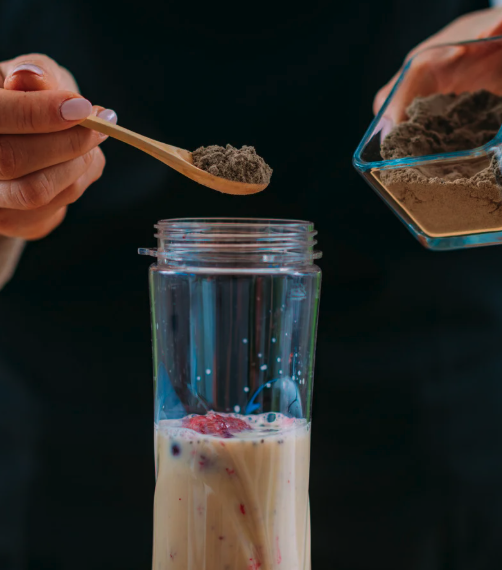
If you’re considering adding a protein supplement to your diet, look for products that contain:
- High-quality protein sources (whey, collagen, or plant-based ingredients like peas or soy)
- Calcium and magnesium to support bone density
- Vitamin D for improved calcium absorption
- Minimal added sugars and artificial ingredients
What Are the Best Protein Sources?
For optimal bone health, focus on:
- Lean meats and poultry (chicken, turkey, grass-fed beef)
- Fish rich in omega-3s (salmon, sardines, tuna)
- Dairy products (Greek yogurt, cheese, milk)
- Plant-based proteins (lentils, quinoa, tofu, tempeh)
- Nuts and seeds (almonds, chia seeds, flaxseeds)
Simple Ways to Add More Protein to Your Diet
Simple changes in your meals can make a big difference in protein intake. Try to incorporate protein into every meal. This may mean having a protein-filled breakfast, lunch, a snack, and dinner that includes protein based on your daily needs.
- Breakfast like eggs, Greek yogurt, or a protein smoothie.
- Elevate every meal by adding chicken, fish, or tofu to salads and stir-fries.
- Snack better by choosing nuts, cottage cheese, or protein bars instead of processed snacks.
- Include all three elements (protein, vitamin D, and calcium) by eating dairy products, leafy greens, and fortified foods.
Managing Bone Health
Connect with us!



