

How to Prevent Falls in Older Adults
When it comes to older adults’ health, you’ll find lots of articles about heart disease, stroke, and cancer, but the biggest threat may be the one we think about the least: injuries from falls.
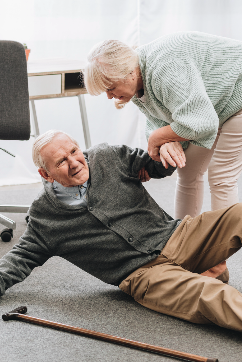
According to the Centers for Disease Control and Prevention, falls are the leading cause of injury-related death among adults ages 65 and older and they are the leading cause of all injuries for this age group.
The CDC data show that over 14 million annually, or 1 in 4 older adults, report falling. Injuries can be serious, including broken bones requiring months of healing and rehab.
We asked physical therapist Julianna Gatto, PT, DPT from UR Medicine’s Physical Medicine and Rehabilitation to talk about fall risks and prevention strategies, and Sports Medicine registered dietician Holly Gilligan, MA, RD to explain the importance of preserving bone health with a good diet.
What causes falls in seniors?
There are a number of factors, including medications that cause dizziness or balance problems, neurological conditions, muscle weakness, balance disorders, a recent hospitalization, and surgery. Poor bone health leading to osteoporosis also can cause falls when a bone spontaneously breaks.
Why are older adults especially at risk of falling?
As we get older a lot of things in our body typically slow down, including knowing where your body is in space (proprioception). Related to this is your kinesthetic sense—knowing where your body is when you are moving. Vision also gets worse, and as we get older and other senses decline, we rely on it more for orientation and balance.
Also, for many older adults, nerve damage—neuropathy—can cause loss of sensation in feet. The most common cause of foot neuropathy is diabetes, but other factors include medical treatments like radiation and chemotherapy.
Vitamin D, Calcium, and Bone Health
Two key nutrients—calcium and vitamin D—work together to keep bones strong. Calcium builds and maintains bone structure, while vitamin D acts like the “chauffeur,” helping your body absorb calcium effectively. Without enough of either, bones become weaker and more prone to breaks.
How can you prevent a fall?
If you have a condition that increases your fall risk, get evaluated by a physical therapist, who can guide you through balance exercises for seniors that also improve strength. Your therapist also can offer tips for navigating your home environment and completing tasks of everyday living. If you’re unsteady on your feet, you may need an assistive device like a brace, cane, or walker.
Fall risks checklist:

- Talk to your doctor if medicines are causing dizziness or balance problems.
- Keep up to date on your eye exams and wear corrective lenses whenever you are moving about.
- Get rid of throw rugs, which are a tripping hazard.
- Clean up clutter: keep loose items off the stairs, and make sure the pathways in your home are clear and wide enough for you to pass safely. Allow enough room between pieces of furniture; at least 36 inches is recommended.
- Always use the handrail when going up or down stairs and make sure the stairs are well lit.
- Install grab bars in the bathroom. Closing your eyes in the shower when shampooing can make you unsteady. Brace yourself by placing a hand on the grab bar or the shower wall.
- Have a nightlight in your bedroom or a light next to your bed if you need to use the bathroom at night. Ensure the path to the bathroom is also well-lit. Many falls occur at night when people wake up and suddenly need to use the bathroom.
- If you have a cane or walker, use it all the time. Don’t go “furniture surfing” by holding onto furniture to prop you up.
When should people start thinking about fall prevention?
If you have any condition that would put you at high risk of injury from falling, get an evaluation now so that you can help protect yourself.
If you don’t have any identified risks, it’s still a good idea to practice fall prevention sooner rather than later. As you approach retirement age, get evaluated and work on your strength, balance, and home environment to preserve the abilities you have and set yourself up for success. The last thing you want is an injury that can diminish your health in the last 30 or 40 years of your life.
Geriatric Fracture Center
The Geriatric Fracture Center is the first facility of its kind that's dedicated exclusively to the care of older adult patients who suffer fractures. Our surgeons and geriatricians co-manage care to better handle the unique medical needs of older adult patients.
Connect with us!




Author
