

Redefining Dentistry in Primary Care a Must

By weaving oral health into primary care education, research, and community practice, recent studies demonstrate that prevention-driven, patient-centered care is imperative for a healthy population.
“The overwhelming evidence compiled in this issue will help shape the future of dental and medical collaboration,” said Linda Rasubala, DDS, PhD, MSHPE, co-editor of the special issue that features 17 papers from authors around the world who assert that embedding dentistry within primary care will improve prevention and chronic-disease management as well as foster health equity.
The flagship clinical journal of both the International Association for Dental, Oral, and Craniofacial Research and the American Association for Dental, Oral, and Craniofacial Research, JDR Clinical & Translational Research publishes special supplements only when the subject matter and supporting research align.
Despite robust evidence linking oral diseases with conditions like cardiovascular disease, diabetes, and pregnancy complications, dentistry remains largely siloed from primary care systems. Oral diseases, many that are preventable, afflict over 3.5 billion people worldwide.
Published online today, Advancing Interprofessional Primary Care through Research, Education, and Community - A Call to Action, includes key studies about how integrating oral health into medical training is critical for reducing disparities. It proposes workforce redesign, digital tools, and public-health-oriented interprofessional education as cornerstones of progress.

The special issue includes contributions by experts from the University of Rochester School of Medicine and Dentistry, Eastman Institute for Oral Health, American Dental Education Association (ADEA), Health Resources and Services Administration (HRSA), Harvard School of Dental Medicine, Dental School of University of Brescia, Italy, Hebrew University Faculty of Dental Medicine, Israel, and the HRSA-funded Clinician Educator Career Development Fellows projects.
The collection underscores dentistry’s essential role in healthcare, the profound impact of dental-medical collaboration, faculty development and inter-professional training. It serves as a valuable resource for exploring the progress, challenges and opportunities at the intersection of research, education and community practice, all aimed at advancing oral health integration and improving access care.
Dr. Rasubala, of the University of Rochester’s Eastman Institute for Oral Health, was joined by co-editors Yanfang Ren, DDS, PhD, MPH, Eastman Institute for Oral Health and Thomas Caprio, MD, MPH, MS, University of Rochester School of Medicine and Dentistry.

The editors and contributing authors are unified in their message: transformation requires more than research, it demands policy, funding, and institutional will. The supplement strongly encourages academic institutions to align accreditation with integrated-care goals, for all health educators to incorporate training on the links between oral health and systemic health and for policymakers to establish reimbursement and regulatory systems to sustain interprofessional care.
Jennifer Holtzman, DDS, MPH, who recently served as HRSA’s Bureau of Health Workforce’s Dental Officer, emphasized that one way to address the shortage of dental faculty and strengthen the academic oral health workforce is by promoting training that integrates primary care, teaching, and research, and preparing dental faculty to contribute effectively to interprofessional care teams
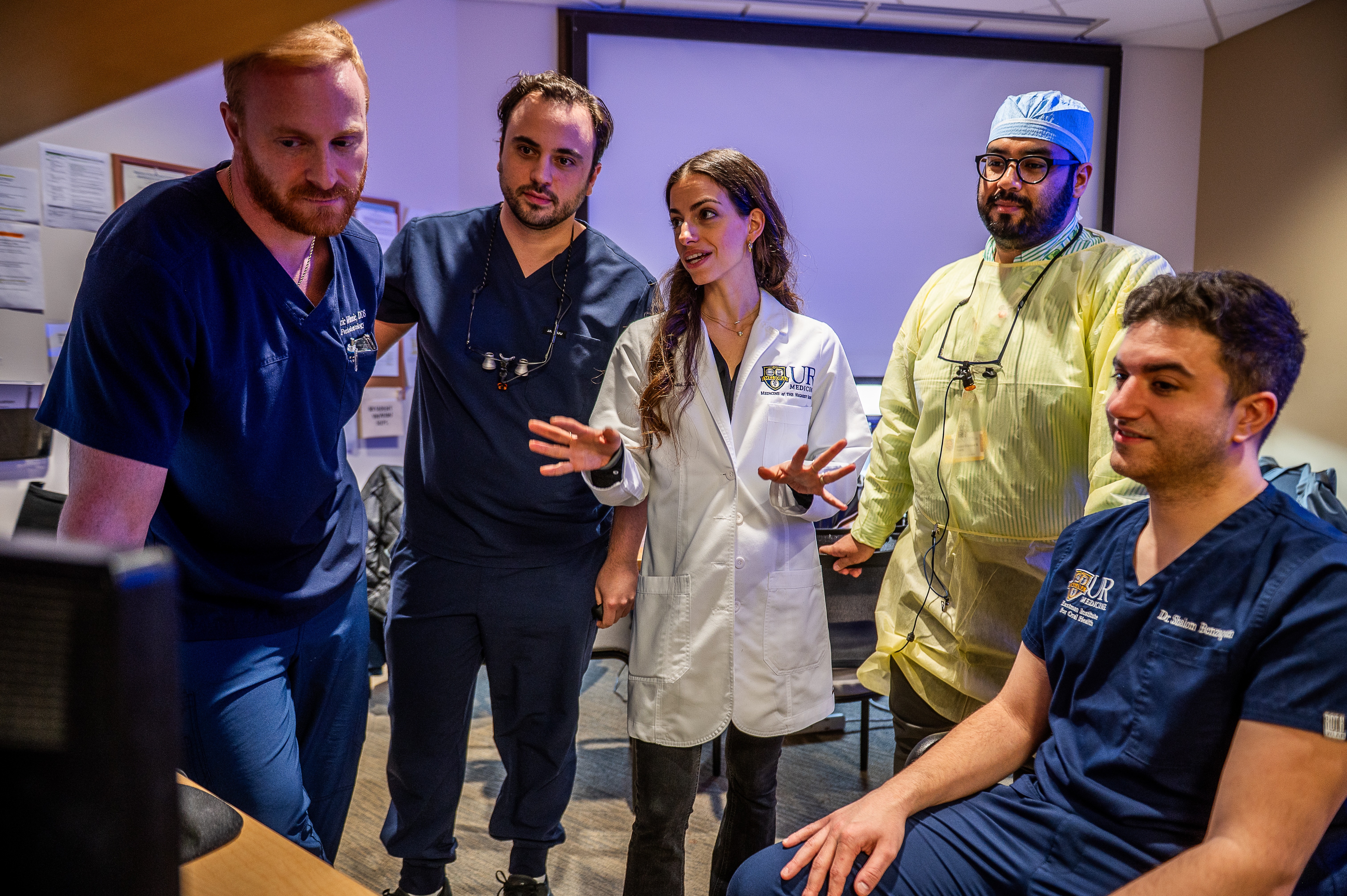
“A key enabler of these efforts is the availability of supportive faculty development programs, such as the Clinician Educator Career Development Program and the Primary Care Dental Faculty Development Program,” she said, “which provide protected time and resources for junior faculty to engage in interprofessional collaboration, teaching, and effective research.”
“We invite readers to explore the contributions in this special issue and reflect on the implications for shaping dental education, clinical practice, and the future of health care,” Dr. Rasubala added.
The OnlineFirst Invited Commentary (published May 29, 2025) and the supplement issue are made possible by a HRSA grant and is fully accessible through JDR Clinical & Translational Research.
Author
