

RNA Discoveries Leading to Cutting-Edge Cures
RNA, long overlooked in the research world, is having its moment.
The pandemic provided the rocket fuel, because mRNA vaccines essentially saved our way of life. Talk of RNA-based treatments and trials is suddenly commonplace.
Both the 2023 and 2024 Nobel Prizes in physiology or medicine were awarded for research in RNA (ribonucleic acid). The Advanced Research Projects Agency for Health (ARPA-H), a $2 billion federal entity funding transformative ideas for health breakthroughs, focused its first multi-million-dollar grant on the development of mRNA technologies that strengthen the immune system to better fight cancer and other diseases. In 2022, more than $1 billion in private equity funds was invested in biotechnology start-ups to explore frontiers in RNA research. There are now more than 400 RNA-based drugs in development.
Less known is what happened before we were lining up to get shots in our arms to regain a semblance of normal life. The story of RNA research and its blossoming future began many decades earlier. The main characters were diligent, unsung scientists who believed in the importance of the work long before others did.
And key chapters are still being written by University of Rochester researchers who—decades prior—discovered properties of RNA that ended up being vital to the development of COVID-19 vaccines and that even launched an entire field of study on how mRNA activity contributes to disease.
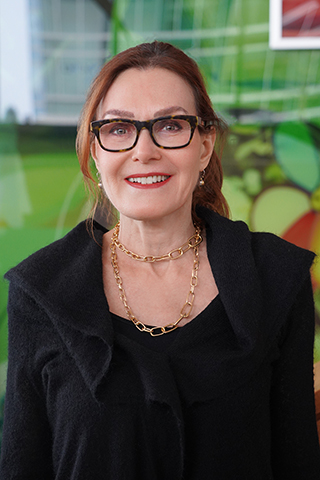
“I’ve studied RNA since 1972,” said Lynne Maquat, PhD, founding director of the Center for RNA Biology at the University of Rochester. “We’ve gone from being in the last session at meetings under the context of ‘other things’ to being at the forefront in virtually every specialty.”
Thomas Cech, a biochemist at the University of Colorado (Boulder) and winner of the Nobel Prize in Chemistry in 1989, wrote in an opinion essay in The New York Times, “Though it is a linchpin of every living thing on Earth, RNA was misunderstood and underappreciated for decades—often dismissed as nothing more than a biochemical backup singer, slaving away in obscurity in the shadows of the diva, DNA. I know that firsthand: I was slaving away in obscurity on its behalf.”
Rochester researchers have been in those shadows for decades, quietly unraveling RNA’s role in the vast and complex process of gene expression. Even they could not have known their work would have such important implications for therapies. But it’s clear now—and new clinical trials are showing the life-changing promise of their once-obscure research.
The Cure Next Door
Last winter, Eric Wagner, PhD, was watching hockey on TV when his wife asked, “Don’t you study BRAT mutations?”
A family had visited the school where she teaches to share their child’s experience with a BRAT1-associated brain disorder, which can cause cognitive impairment, seizures, and other debilitating conditions.
Wagner, URMC professor of Biochemistry and Biophysics, wanted to learn more. And bring hope. He and his wife met the family, told them about his lab’s research at URMC, and even shared pictures of the molecular structure of BRAT1.
“This serendipitous interaction brought my lab’s work home. What we are studying exists in our community, one mile from my house.”
It’s significant that Wagner is not a neurologist or occupational therapist who can treat patients. He’s an RNA biologist whose lab is immersed in determining how BRAT1 interacts with other proteins to influence RNA production and gene expression—knowledge that’s laying the foundation for new therapies.
Wagner knows how far the research has come. “We’re at the point where we have enough knowledge to come up with ways to treat BRAT-related disorders and other devastating diseases like neuroblastoma. Ten years ago, we couldn’t go near people because we didn’t know enough. Now, we’re talking about clinical trials in patients.”
Wagner is a leader of the University of Rochester Center for RNA Biology, home to a powerhouse group of scientists whose work has revealed the fundamental role RNA plays in human health and disease.
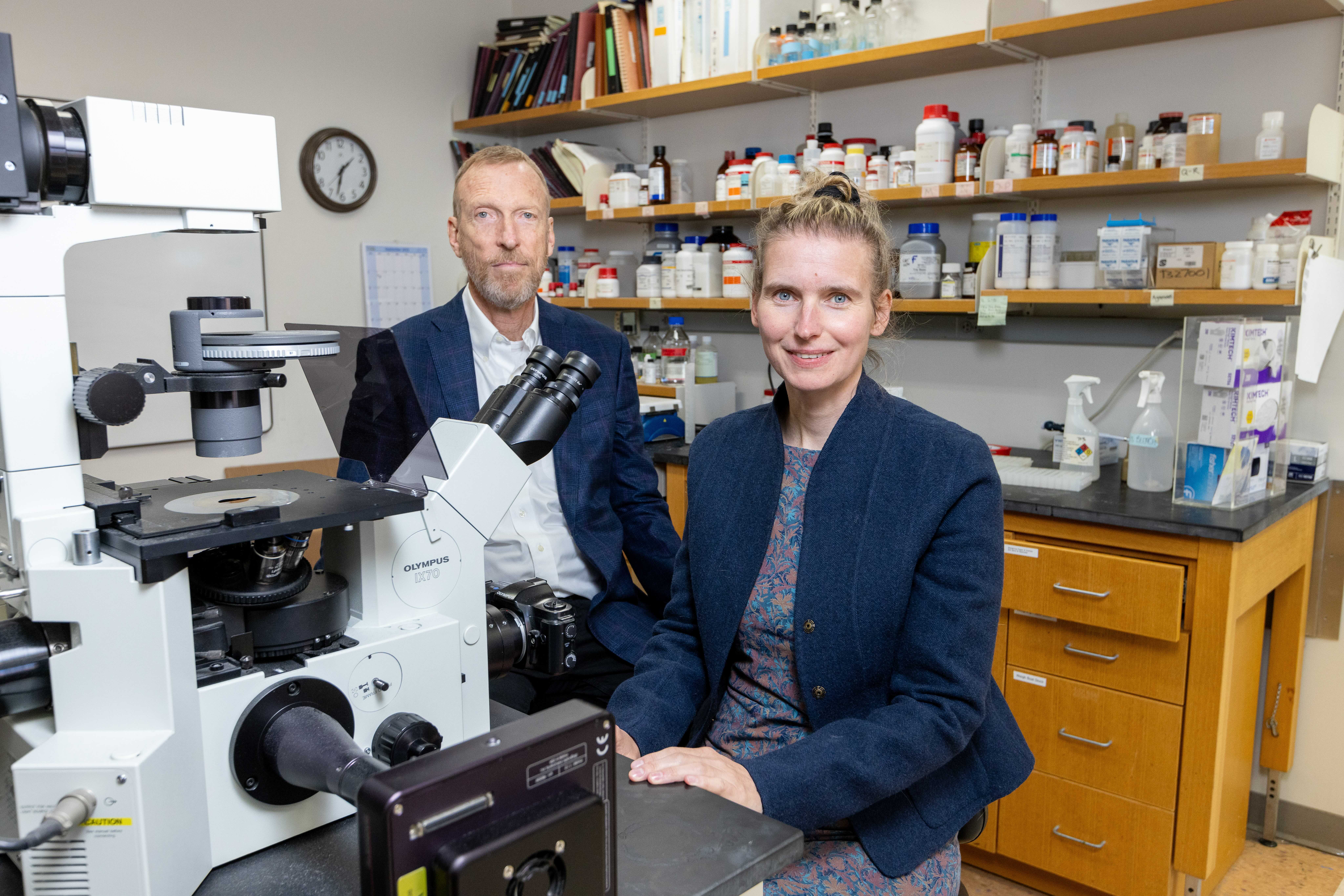
Patients with myotonic dystrophy—an inherited disorder marked by progressive muscle weakness that affects a person’s ability to walk, swallow, and breathe—are already seeing the promise of Rochester’s RNA science come to life. URMC neurologists Charles Thornton, MD (Flw ’90, ’92), and Johanna Hamel, MD (Flw ’17, ’19), are involved in multiple trials testing treatments that target the buildup of toxic RNA that leads to muscle problems in these patients.
Decades in the making, the trials are the closest the scientific community has ever come to extending the health and lifespan of people with myotonic dystrophy. Equally as exciting: Experts believe this is just the tip of the iceberg for RNA-based therapies.Rochester Writes the Rules
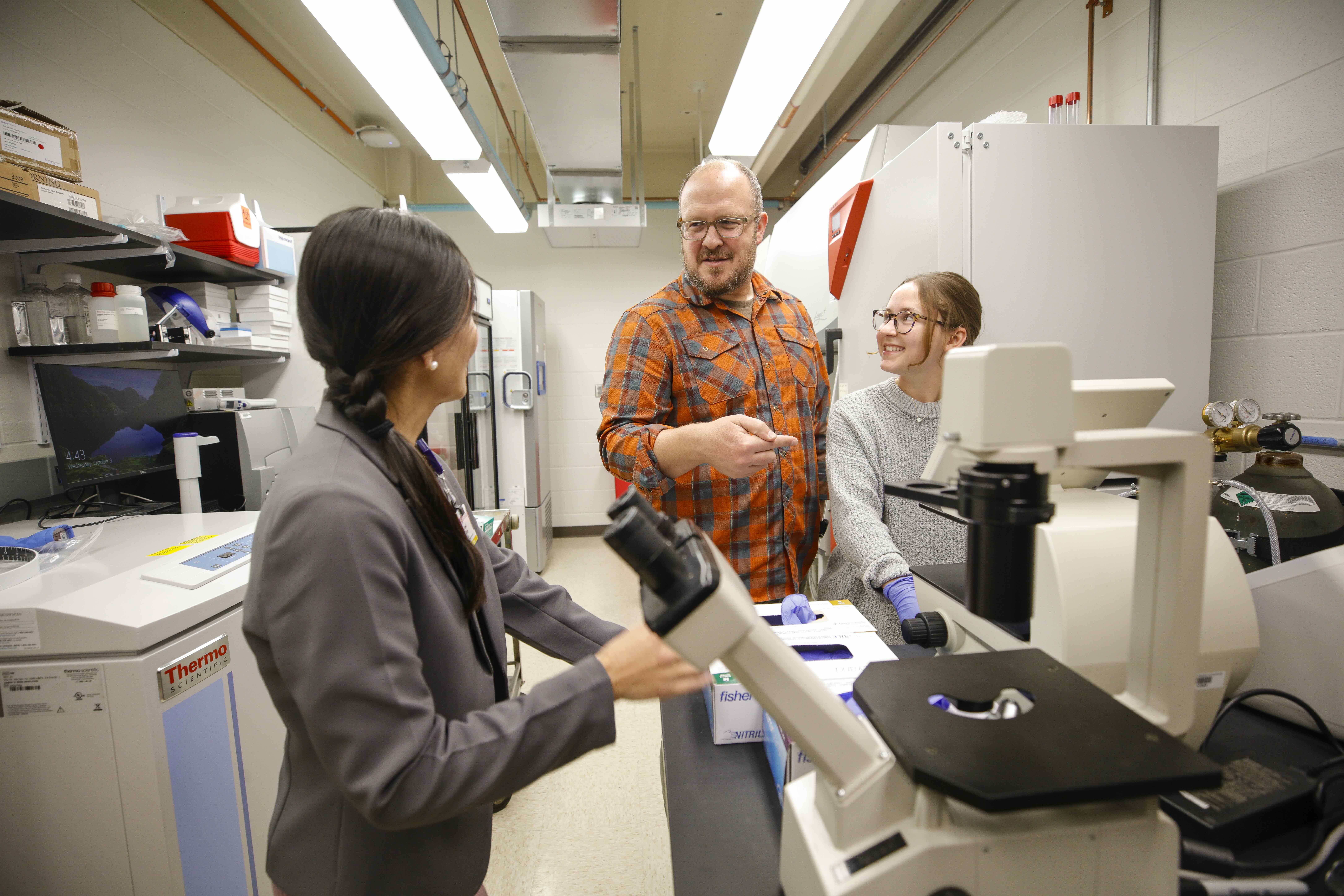 John Lueck, PhD, in the lab with Yumei Feng Earley, MD, PhD (left), and PhD student Emily Sorensen.
“We thought RNA was cool before the world did,” jokes John Lueck (PhD ’07), associate professor of Pharmacology and Physiology at SMD. “While we’ve always deemed it important, and our research has always been strong, people have finally caught up to what scientists like Lynne Maquat, David Mathews, and Charles Thornton believed all along: We need to know more about RNA and its role in biology and disease.”
In 1992, back when Bill Clinton was elected president and the first web browser was still a year away from launching, David Mathews (MD ’03) was a sophomore at the University of Rochester pursuing an undergraduate degree in physics. He was also working in the laboratory of Douglas Turner, PhD, a now-retired professor of Chemistry and professor of Pediatrics in SMD. In his graduate work at Columbia, Turner studied a model system for stacking in DNA, which led to an interest in RNA. At the time, his lab was part of a very small community of scientists working in that area.
Mathews, now associate director of the Center for RNA Biology, wanted to go to medical school to earn a dual MD/PhD degree after he graduated from UR. Turner and Mathews were intrigued by the nascent field of RNA—despite its lack of popularity and perceived import—and dived in. They devised the Turner Rules, a set of parameters that predict the folding stability and structure of RNA. Little did they know that decades later their work would play a major role in curbing a worldwide pandemic.
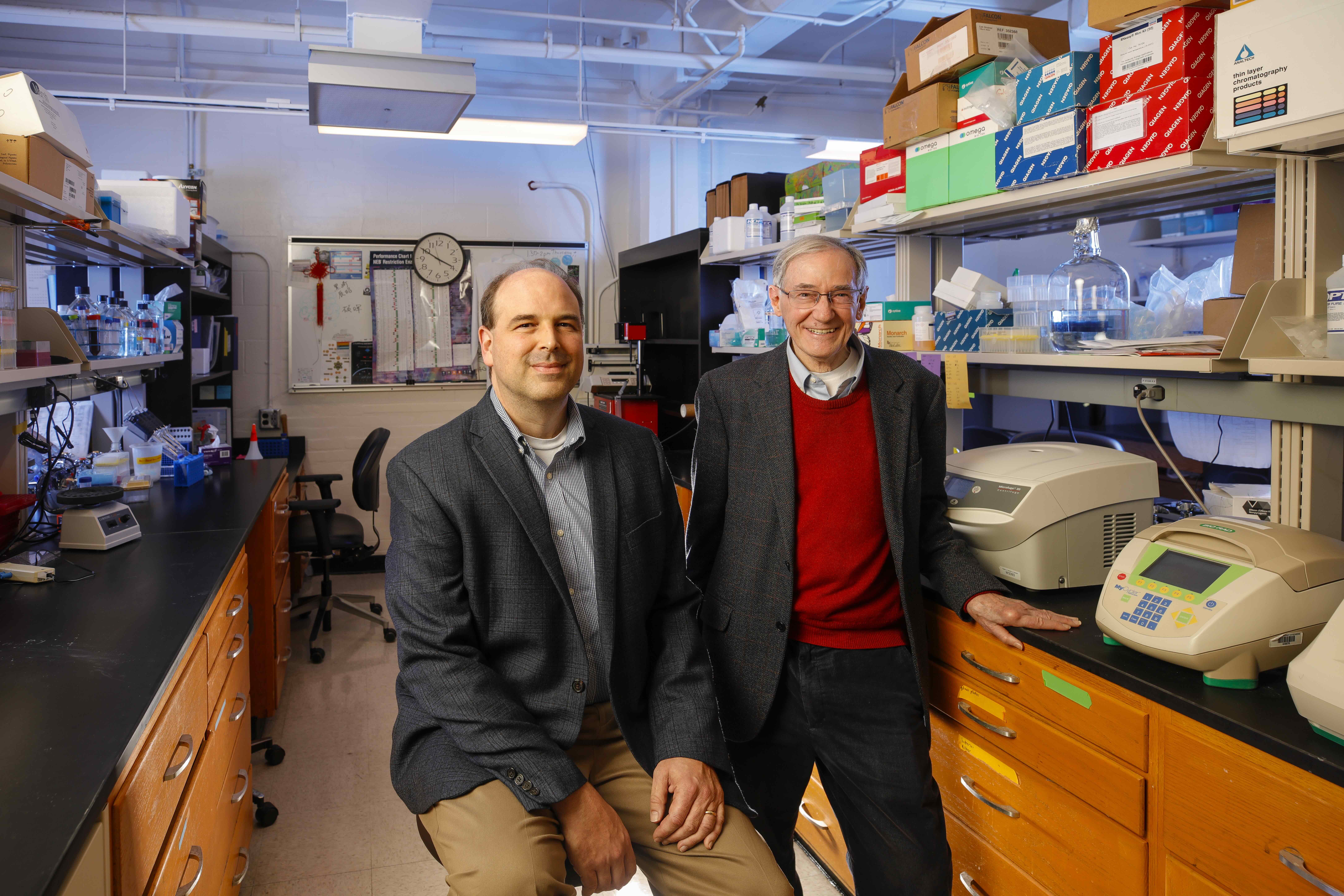
David Mathews, MD, PhD, and Douglas Turner, PhD.
In December 2020, the FDA granted emergency-use authorization for the first mRNA COVID-19 vaccine, which directs our bodies to make the COVID spike protein. The structure of the mRNA—its actual shape and arrangement—is crucial for the effectiveness of the vaccine. Unlike DNA, which is extremely stable, mRNAs are inherently unstable and prone to degradation; they are constantly being “eaten” by enzymes in cells. If mRNA has a rigid structure as opposed to a floppy one, it degrades more slowly—structure provides protection from those hungry enzymes.
The longer mRNA avoids degradation and remains in our cells, the more COVID spike protein it produces. The more COVID spike protein we have, the more antibodies we create, and the better we can fend off infection. Thanks to the Turner Rules, companies could predict and evaluate the structure of mRNAs, helping them identify stable versions to use in vaccines. Prior to and during the pandemic, Mathews collaborated with vaccine maker Moderna on the application of his research to mRNA design.
Mathews’s lab, which grew out of his work with Turner, develops software packages that scientists and companies use to predict and analyze RNA structure. The Turner rules are also the backbone of recent work Mathews published, in the journal Nature, which details an algorithm to identify stable mRNA sequences that lead to dramatically increased immune responses from COVID vaccines.
“The success of the COVID vaccines confirmed that mRNA-based technologies can be absolutely transformative,” said Dmitri Ermolenko, PhD, professor of Biochemistry and Biophysics, who works with Mathews in the Center for RNA Biology. “The structure of RNA has a huge influence on protein production and many other mechanisms throughout our cells. Dave’s and Doug’s work is indispensable for scientists and companies using mRNA sequences for vaccines and other treatments.”
“In the ’90s, we had no idea the Turner Rules would be so important for vaccine design,” said Turner, who has come full circle and now works as a scientist in Mathews’s lab at URMC. “Dave has been key to this research all along the way.”
An even earlier effort at Rochester led to an entirely new field of study in RNA research.
The Promise of Nonsense
In 1980, Lynne Maquat traveled to Israel to obtain and work up bone marrow samples from four children suffering from the inherited blood disorder beta0 thalassemia (“beta0” means no production of beta-globlin protein in peripheral blood). Maquat wanted to understand why the children’s blood contained no beta-globin protein, which helps the body produce hemoglobin and transport oxygen. A series of carefully executed experiments she conducted on the samples led to the discovery that the disorder was caused by abnormal RNA and not DNA metabolism. Published in the journal Cell in 1981, the finding was the first demonstration of a human disease caused by unstable mRNA.
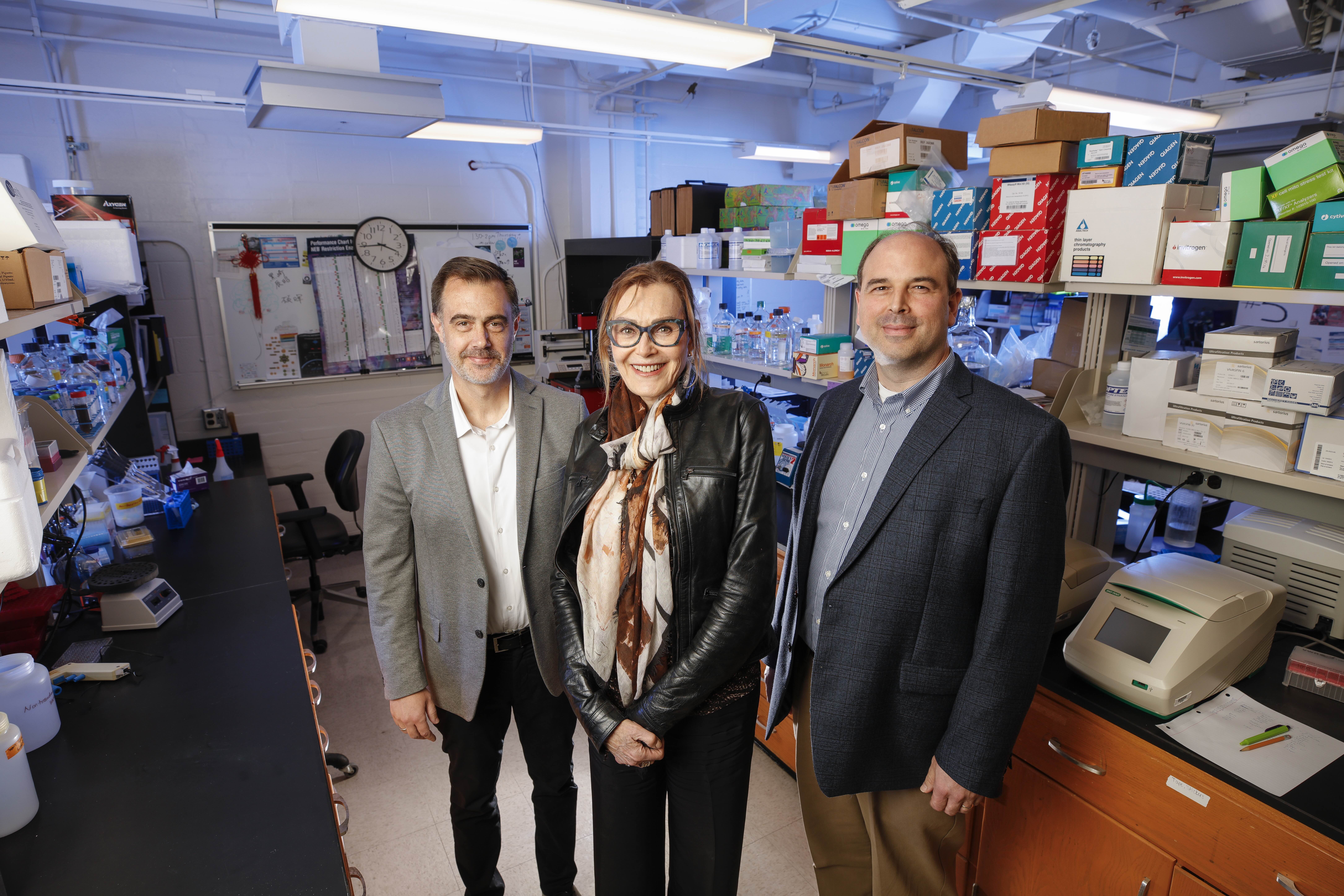 Eric Wagner, PhD, Lynne Maquat, PhD, and David Mathews, MD, PhD.
As with the work of Mathews and Turner, the broad significance of Maquat’s research wasn’t apparent at the time—not to her or the scientific community. The field was—and still is—notoriously difficult, awash with complexities that require persistence, patience, and an unparalleled grasp of detail. While many scientists abandoned ship, Maquat and Mathews pushed forward. Both believed in their work and, even in those early days, saw glimmers of the potential power of RNA.
Much like the Turner Rules were foundational for mRNA vaccine development, Maquat’s research eventually launched an entire field of study on how mRNAs are monitored and regulated and how such activity contributes to disease.
Messenger RNA (mRNA) takes genetic instructions from DNA to another part of the cell, where the instructions are translated into proteins that carry out functions in the body. A common flaw in the process of gene expression relates to the introduction of an early “stop” signal. Beginning with her 1981 discovery, Maquat’s research revealed how a cellular quality-control mechanism called nonsense-mediated mRNA decay (NMD) recognizes and destroys mRNA molecules that contain early stop signals. Maquat’s work clarified that NMD evolved to shield humans from innate mistakes in gene expression by eliminating mRNAs containing early stop signals, but it can also cause harm.
“Nonsense mutations” can prevent the genetic instructions in mRNA from being read completely from start to finish, resulting in the production of incomplete and potentially toxic proteins that can lead to disease. One third of all genetic disorders are caused by mutations that generate an early stop signal. Many people with beta0 thalassemia have a nonsense mutation in the gene that encodes the beta-globin protein. The nonsense mutation springs the NMD machinery into action, and the mRNA transcript for beta-globin protein is destroyed. No beta-globin protein is produced, and patients can’t make hemoglobin.
A similar dynamic can come into play with cystic fibrosis. But if NMD could be overridden or stopped in cystic fibrosis and other genetic disorders resulting from nonsense mutations—for example, by suppressing the nonsense mutation—normal, healthy proteins would be made, and individuals wouldn’t become sick.
“Before Lynne, nobody could come up with a logical explanation for how NMD worked,” says Joan Steitz, PhD, an RNA biologist at Yale who, with Maquat, won Harvard’s prestigious Warren Alpert prize in 2021. “When everyone else gave up, she stuck with it and slowly made significant advances. It was hard, and at times the answers weren’t coming, but she really wanted a scientific explanation, so she kept at it. I admire her determination and her uncanny ability to keep thinking of the next experiment that would lead to answers.”
Maquat, who has been recognized with other top awards in the field such as the Wolf Prize in Medicine and the Albany Prize in Medicine and Biomedical Research, also found that NMD is overactive and contributes to the intellectual disability and severe learning problems in individuals with Fragile X syndrome. Her lab is working closely with UR stem cell biologist Christoph Pröschel to better understand the interplay between FMR1 (the gene that leads to the disorder) and NMD throughout the various stages of development.
Thanks to 45 years of research by Maquat and others, scientists are beginning to put the mechanistic findings related to NMD to use to design new therapies.
The Power of a Collaborative Culture
In 2006, Maquat and Mathews proposed the creation of a new center—one that would require attracting the best and the brightest to join the team.
Maquat, who had joined the University of Rochester in 2000 as a professor of Biochemistry and Biophysics at SMD, and Mathews wanted to build on the University’s existing strengths in RNA biology. They cited the emphasis on “the rapidly emerging scientific discipline of RNA biology” in the NIH Roadmap—the NIH’s strategic plan at the time—believing they could fill gaps in fundamental knowledge of RNA. Their ultimate goal was to provide a foundation for developing therapeutics to target RNA and keep the University at the cutting edge of this evolving field.
They brought their idea for the Center for RNA Biology to the CEO of URMC at the time, Bradford C. Berk, MD, and SMD Dean David S. Guzick, MD, PhD. The Center was approved and formed in 2007. Today, it’s 23 members strong, with more than $25 million in annual funding from the NIH, New York State, professional associations, and patient foundations.
The cooperative environment that exists here is unlike anywhere else...
Lueck, who earned his PhD at SMD in 2008 and went on to a postdoctoral fellowship at the University of Iowa, returned to join the Center in 2018 for that very reason—open doors.
“This is an incredible place to walk down the hall and have a conversation with a colleague,” said Lueck. “As silly as it sounds, the ease of interacting with people—talking about science in general or sharing a big idea to see if there are any fatal flaws in your logic—is a huge benefit. It keeps our research moving at a fast pace.”
That tempo is evident in Lueck’s longstanding collaboration with Thornton. In 2000, Thornton was part of a team that discovered that the genetic abnormality that causes myotonic dystrophy leads to the accumulation of toxic RNA in cell nuclei, interfering with the normal function of numerous genes. As a graduate student, Lueck worked with Thornton to show that a class of drugs called antisense oligonucleotides could target the toxic RNA and restore healthy muscle function in animal models.
When Lueck returned from his postdoc in Iowa, the partnership continued. Thornton’s clinical knowledge and work with myotonic dystrophy patients, coupled with Lueck’s expertise in molecular and cellular biology, paved the way for clinical trials—currently underway worldwide and at URMC—testing antisense therapies for myotonic dystrophy.
“John is one of the most effective researchers in the myotonic dystrophy field, and he’s leading a tremendous group of scientists who we’ve been extremely fortunate to work with,” said Thornton. “The cooperative environment that exists here is unlike anywhere else, and it’s been absolutely essential to the development of treatments for myotonic dystrophy patients. I can’t imagine getting to where we are today if we were at another institution in the US.”
Wagner, who joined the Center for RNA Biology in 2021 after running a lab in Texas for 14 years, has been pleasantly surprised at how integrated efforts are at Rochester.
“A common limitation at many schools is that science tends to be siloed. People and centers do great work, but they don’t cross-pollinate very well,” said Wagner, who is also a member of the UR Medicine Wilmot Cancer Institute. “RNA biology is everywhere at the University, and it’s very clear that the whole is greater than the sum of its parts.”
The Future IS RNA
Several momentum-building developments have put Rochester researchers in place to lead as the world ushers in a new era of RNA focus in health and medicine.
In May 2024, New York State announced that the University of Rochester and University at Albany will join forces to form the new Center of Excellence in RNA Research and Therapeutics. The Center will partner with large New York biotech companies such as Regeneron and Pfizer to develop new RNA-based therapies. Rochester trainees will also have the opportunity to engage in short-term “sabbaticals” at these companies, learning about the various roles scientists play in the private sector. Co-directors Maquat and Wagner say this new Center will lead in training the next generation of New York’s biotechnology workforce and will help Rochester recruit strong candidates to conduct research.
June was punctuated by the largest single gift in University history: a $50 million commitment from B. Thomas “Tom” Golisano to establish the Golisano Intellectual and Developmental Disabilities Institute at URMC (for details, see page 36). The infusion of new funding for therapeutic innovation will speed the translation of current research into new models of care.
Planning for a new building to house RNA biology and cancer research is also underway. Several RNA processes contribute to cancer progression, so putting Wilmot Cancer Institute scientists and RNA Center biologists together in a single, state-of-the-art facility will advance research. The goal is new applications, such as anti-tumor vaccines, that have the potential to change the landscape of cancer treatment. Part of the University’s 2030 Strategic Plan, investment in new facilities will make research easier to conduct and more effective.
Maquat, Mathews, Wagner, Thornton, and other senior faculty are setting the stage, but talented junior and mid-career faculty members are making their marks as future leaders in the field.
Douglas Anderson, PhD, assistant professor in the Aab Cardiovascular Research Institute and Center for RNA Biology, has developed several breakthrough RNA technologies. One, called StitchR, is based on the group’s discovery of “RNA stitching,” which harnesses natural cellular-repair pathways to fuse two RNAs together. This creates functional mRNAs that produce large proteins that are missing or inactive in disease. Another technology, called CirculR, turns single RNA strands into a circular form, making them more stable and durable for use in vaccines and gene therapies. Anderson holds 15 patents based on RNA science and co-founded two biotech startups—Scriptr Global and Emprime Therapeutics—to translate these platforms into therapies for treating muscular dystrophies, hemophilias, and eye disorders.
Before coming to Rochester in 2017, Associate Professor Mitchell O’Connell, PhD, did his postdoc in the lab of famed scientist Jennifer Doudna, PhD, known for her discovery of the gene-editing tool CRISPR-Cas9, which earned her and a colleague a Nobel Prize. O’Connell is creating a niche by zeroing in on another system, CRISPR-Cas13, to better understand immunity and RNA-mediated gene regulation in bacteria. His work also aims to inform the development of RNA detection tools that could improve clinical diagnostics.
With the support of the graduate students and postdocs who are the backbone of research at the University, faculty are optimistic about what lies ahead—for Rochester and the world. When asked what’s next in this RNA revolution in medicine, Thornton replies, “People. We are beginning to see people in clinical trials and in clinical practice who are responding to RNA treatment.”
It’s the true, simple promise of decades of complex research: hope.
Author
