

Introducing the Diabetes in Pregnancy Program
From the Annual Report
This article is a reprint from our newly released 2023 - 2024 Obstetrics and Gynecology Annual Report.
Pregnancy is a natural state of insulin resistance. There’s a good reason for that. It ensures that there is enough glucose available to support a growing fetus.
But you can have too much of a good thing.
High blood glucose levels in pregnancy are associated with complications such as high birth weight, shoulder dystocia, preeclampsia, and the need for cesarean section. There is also evidence that gestational diabetes mellitus (GDM) increases a person’s future risk of cardiovascular disease and diabetes.
Managing diabetes is challenging in any circumstance. Dietary modifications, medication changes, glucose monitoring, and social determinants of health such as access to care and healthy foods must be balanced simultaneously. Add in a developing fetus and things get more complicated.
Traditionally, pregnant patients with diabetes are cared for by their general ObGyns, referred to Endocrinology, or transferred to high-risk centers for pregnancy care. Rarely are these providers individually equipped to offer holistic care.
A multidisciplinary team at the University of Rochester came together to address this very problem. Comprised of specialists from Maternal-Fetal Medicine (MFM) and Endocrinology, Registered Dietitians, and Advanced Practice Providers, the team created a program to provide collaborative diabetes care for peripartum patients in the Rochester region.Assembling a Multidisciplinary Team
The Diabetes in Pregnancy Program (DiPP) cares for patients throughout the peripartum period, from pre-conception counseling to post-partum management. The program’s founders, Drs. Ponnila Marinescu, Sarah Crimmins, and Courtney Olson-Chen, recognized early on that a partnership with adult endocrinologists would be critical for success.
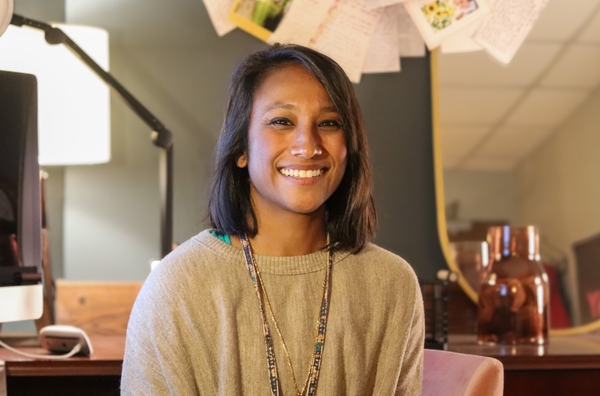
Fortunately, the University of Rochester Endocrinology Division was eager to partner. Dr. Dennis Samuel, based out of Strong Memorial Hospital, and Dr. Laticia Valle, at Highland Hospital, are leaders in this area. Dr. Stephen Hammes, Chief of the Division of Endocrinology and Metabolism notes:
The DiPP program has been great. Our faculty understand the importance of care before, during, and after pregnancy, and are excited to have been part of the development of this multidisciplinary team. The work being done by Dr. Valle and Dr. Samuel in partnership with Dr. Crimmins and her team is so appreciated, and we are working hard to assure access to endocrinology care post-partum.
According to Dr. Marinescu, the endocrinologists’ input has been instrumental in establishing a standardized approach for pre- and gestational diabetes sophisticated enough to allow for individualized care.
Dr. Laticia Valle notes that these protocols help keep patients in care beyond their pregnancy:
The team has developed protocols and works hard to keep patients that need post partum care in the system without gaps in care for better continuity both post-partum and if they are planning future pregnancies.
Dr. Courtney Olson-Chen, the Medical Director for the Outpatient MFM Practice at the Lattimore location and the Program Director for the ObGyn Residency, also highlights the role played by the Registered Dieticians:
This is a very inter-disciplinary effort across the MFMs, our APPs, and dieticians in our department. And the dieticians in particular are hugely important, they do more than nutritional counseling, they also review the details of patients’ glucose levels, make medication recommendations, and contribute a lot to the team.
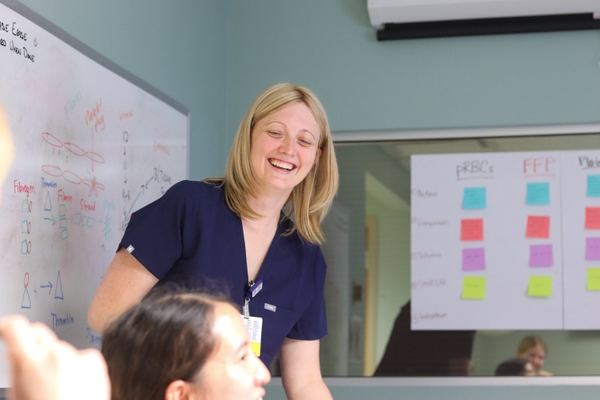
Carly Vittozzi, a midwife with the program, articulates how the pieces fit together for better patient care:
[DiPP] has really changed how we manage gestational diabetes. Patients are seeing someone or have contact with the program almost every week. Between the doctors, the midwives, the endocrinology group, and the dietitians—someone is always helping them to get to goal… Patients love feeling like their OB visits aren’t crowded with both OB and diabetes care together. The division of labor allows them to have focus on both their growing pregnancy with their own provider, but still get ongoing, frequent assessments of their diabetes with DiPP.
Ann Calvaruso, a Nurse Practitioner with the MFM group, adds that “[it] brings in a patient-specific educational focus … [team members] tailor the education into manageable portions as they work with patients over weeks.”
Keeping Patients Close to Home
One hallmark of the Diabetes in Pregnancy Program is that it extends beyond the University of Rochester Medical System. During the 2023 – 2024 academic year, the team solidified partnerships with the City of Rochester and Rochester Regional Health, breaking down silos to serve a wider regional need.
While there is much upside, there is also a challenge inherent to serving a broad regional area: travel. It is difficult for patients to drive long distances to Rochester for frequent prenatal visits with the Diabetes in Pregnancy Program team. Fortunately, the service has been able to incorporate telehealth to great effect.
“Our goal is to keep patients local with their provider when its safe, and to say when it’s not safe and effect transport”, says Dr. Ponnila Marinescu, the program’s founder and the current Medical Director for the Outpatient MFM Practice at the Red Creek location.
A Bright—and Busy—Future
To date, DiPP has cared for over 500 patients, and anticipate higher volume moving forward. Dr. Sarah Crimmins, the program director, says they’ll need to keep growing, particularly in the area of nutrition:
In terms of future plans, we expect to develop more of a nutrition focus. We have 2 registered dieticians now, and we will need to hire more in the future so that they can spend more time with patients, from pre-pregnancy counseling through post-partum care, ideally as far as 6 – 12 weeks after delivery.
Dr. Marinescu takes that assessment a step further:
“We’re growing so fast – we’re going to need more of everything”.