

The Truth About Vaccine Safety
A simple truth is that vaccines have saved countless lives over many decades.
“Aside from clean water, vaccines have had the greatest impact on public health,” said Ann Falsey, MD, an infectious disease researcher with the University of Rochester Medical Center (URMC). “They have eradicated smallpox, nearly eliminated polio, and dramatically reduced diseases like measles, pertussis, and rubella. Their success has led to a paradox: because these diseases are now rare, people forget how devastating they were.”
Declining vaccination rates are leading to outbreaks, such as recent measles resurgences, underscoring the continued importance of vaccines.
We asked Dr. Falsey, co-director of the Vaccine Treatment and Evaluation Unit, and Cynthia Rand, MD, MPH, a pediatric primary care provider and immunization delivery researcher, to provide an overview of the power of vaccines to help keep us all disease-free and healthy.
Vaccine Safety
“Yes, vaccines are safe. Like any medical intervention, they can have side effects, but the vast majority are mild and short-lived, such as a sore arm or low-grade fever. Severe side effects are extremely rare,” said Dr. Falsey.
Vaccine development is a rigorous process. It starts with preclinical research in labs and animal studies, followed by multiple phases of assessing safety, dosing, and effectiveness in large clinical trials. After successful trials, regulatory agencies like the Food and Drug Administration review data before approval. Vaccines undergo continuous monitoring even after distribution to ensure long-term safety and detect rare side effects.
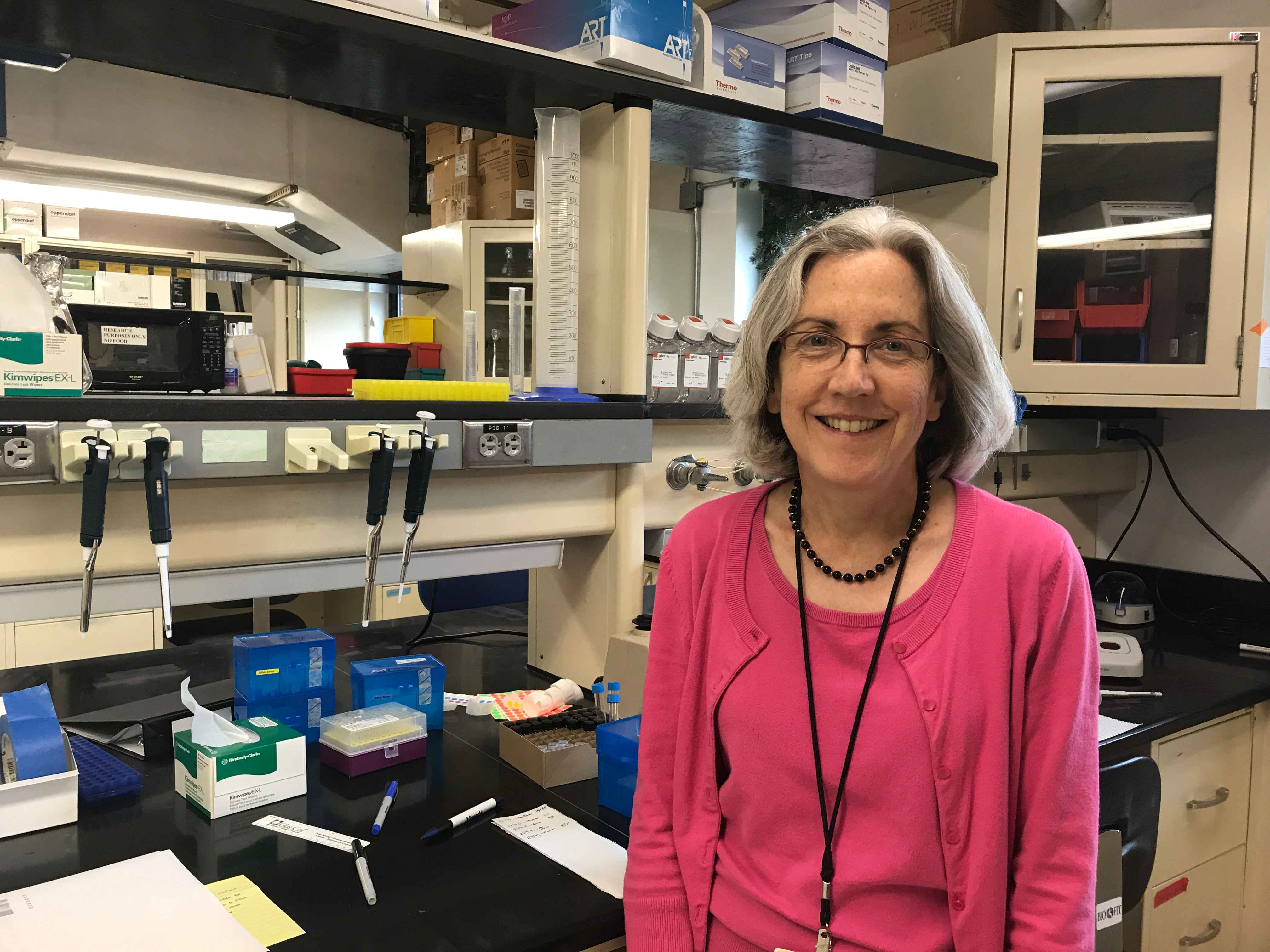
We know from experience. URMC scientists contributed to the development of the HPV vaccine, which protects against cervical cancer. Newborns across the globe receive a vaccine that URMC researchers created against Haemophilus influenza type B (Hib) that has virtually wiped out a leading cause of meningitis in preschoolers.
Our researchers also played leading roles in clinical trials that led to the development of vaccines for H5N1 bird flu, COVID, and RSV.
Why Was the COVID Vaccine Able to Be Approved So Quickly?
“COVID vaccines underwent the same rigorous evaluation as any other vaccine, but the process was expedited due to the global public health emergency,” said Dr. Falsey. The foundational mRNA technology had been researched for decades, and vaccines were developed rapidly thanks to existing scientific knowledge, unprecedented resources, and global collaboration. Large-scale trials provided robust data on their safety and effectiveness, which was reviewed by independent safety committees and regulatory agencies before approval.

There is No Link Between Autism and Vaccines
“This claim that vaccines cause autism is based on a fraudulent, retracted study from the 1990s,” said Dr. Rand. “Extensive research, including studies tracking millions of children, has found no link between vaccines and autism.”
Experts attribute the rise in autism diagnoses to better awareness and improved diagnostic criteria, not vaccines. Leading health organizations, including the CDC and WHO, affirm that vaccines are safe and do not cause autism.
The pediatric vaccine schedule, which includes multiple vaccines at a young age, is based on the prevalence of diseases in the environment, with specific timing to maximize protection when children are most vulnerable. The science behind the schedule ensures safety, with vaccines refined to contain minimal antigens, reducing strain on the immune system.
The HPV Vaccine Is Safe and Prevents Cancer

The human papillomavirus (HPV) vaccine, marketed under the name Gardasil, is a highly effective and safe vaccine that has been thoroughly studied since its approval 19 years ago. Developed in part at URMC, it helps prevent cervical and oropharyngeal cancers caused by HPV.
“With millions of doses given globally, its safety profile is robust, and any side effects are typically mild, such as soreness at the injection site,” said Dr. Rand.
Studies have shown that the vaccine significantly reduces HPV infections, especially the strains responsible for cervical and oropharyngeal cancers. More recent research has shown that the vaccine reduces cervical cancer rates and precursors to cervical cancer.
Is It Better to Get the Disease Than to Become Immune Through Vaccines?
Natural immunity caused by infection does hold the potential to provide broader protection. However, many vaccine-preventable diseases can cause severe complications, long-term health issues, or death.
For example:
- Measles can cause encephalitis (brain swelling) and permanent disability.
- Polio can result in paralysis.
- COVID led to millions of hospitalizations and deaths worldwide.
“Vaccines provide immunity without the risks associated with natural infection, making them the safer and smarter choice,” said Dr. Falsey.

The Public Health Impact of Vaccines
Vaccination not only protects individuals but also safeguards vulnerable populations, including infants, the elderly, and immunocompromised individuals who cannot be vaccinated. In pandemics like COVID, widespread vaccination prevents hospitals from overloading and protects public health.
“Continued vaccination ensures herd immunity, preventing outbreaks and protecting vulnerable populations,” said Dr. Rand. “Overall, vaccines are one of the most effective tools in modern medicine for safeguarding public health and preventing disease resurgence.”
Author
