

What Is Human Papillomavirus (HPV)?
Human papillomavirus (HPV) is the most common sexually transmitted infection (STI) worldwide, affecting millions of people each year. While many HPV infections are harmless and clear up on their own, certain strains can lead to serious health problems, including cancers. Understanding HPV, how it spreads, and how to prevent it is key to protecting your health.
UR Medicine gynecologist Ellen Tourtelot, MD, otolaryngologist Farshad Chowdhury, MD, and Zhaomin Xu, MD, MPH of the Division of Colon & Rectal Surgery share key preventative measures and insights into HPV-related cancers.
What Is Human Papillomavirus (HPV)?
Human papillomavirus (HPV) is a group of more than 200 viruses that infect skin and mucous membranes. Most infections are asymptomatic, meaning many people don’t even know they have it. Some strains of HPV are considered high-risk HPV because they may lead to abnormal changes in cervical cells, genital warts, or HPV-related cancers.
How is HPV Spread?
HPV is most often transmitted through sexual contact—vaginal, anal, or oral sex—and even skin-to-skin contact. People can become infected with HPV and unknowingly pass it on.
High-Risk and Low-Risk Strains
Low-risk strains typically cause warts on the hands, feet, or genitals but rarely lead to cancer.
High-risk strains can lead to cancers, such as cervical, anal, throat, or penile cancer. The most concerning strains are HPV-16 and HPV-18, which are responsible for the majority of HPV-related cancers.
Common Symptoms of HPV
Most people with HPV show no symptoms. However, when symptoms do occur, they may include:
Genital warts: Small, flesh-colored growths that can appear on or around the genitals.
Abnormal Pap test results: Often the first indication of high-risk HPV.
Throat discomfort or difficulty swallowing: In rare cases, related to oral HPV.
If you experience any of these symptoms, consult your healthcare provider for evaluation and testing.
How HPV Leads to Cancer
High-risk HPV strains can cause changes in cells that lead to cancer over time. For example, persistent HPV infections in the cervix can result in precancerous changes detected during Pap tests. If untreated, these changes can progress to cervical cancer. HPV is also a leading cause of oropharyngeal (throat) cancers, which are increasingly common in both men and women.
Who Is at Risk?
Anyone who has ever been sexually active can contract HPV. Factors that increase risk include multiple sexual partners, a weakened immune system, and smoking, which can make it harder for the body to clear the virus. It’s possible to be exposed to HPV at any age, including ages 15 or younger.
How can I prevent HPV?
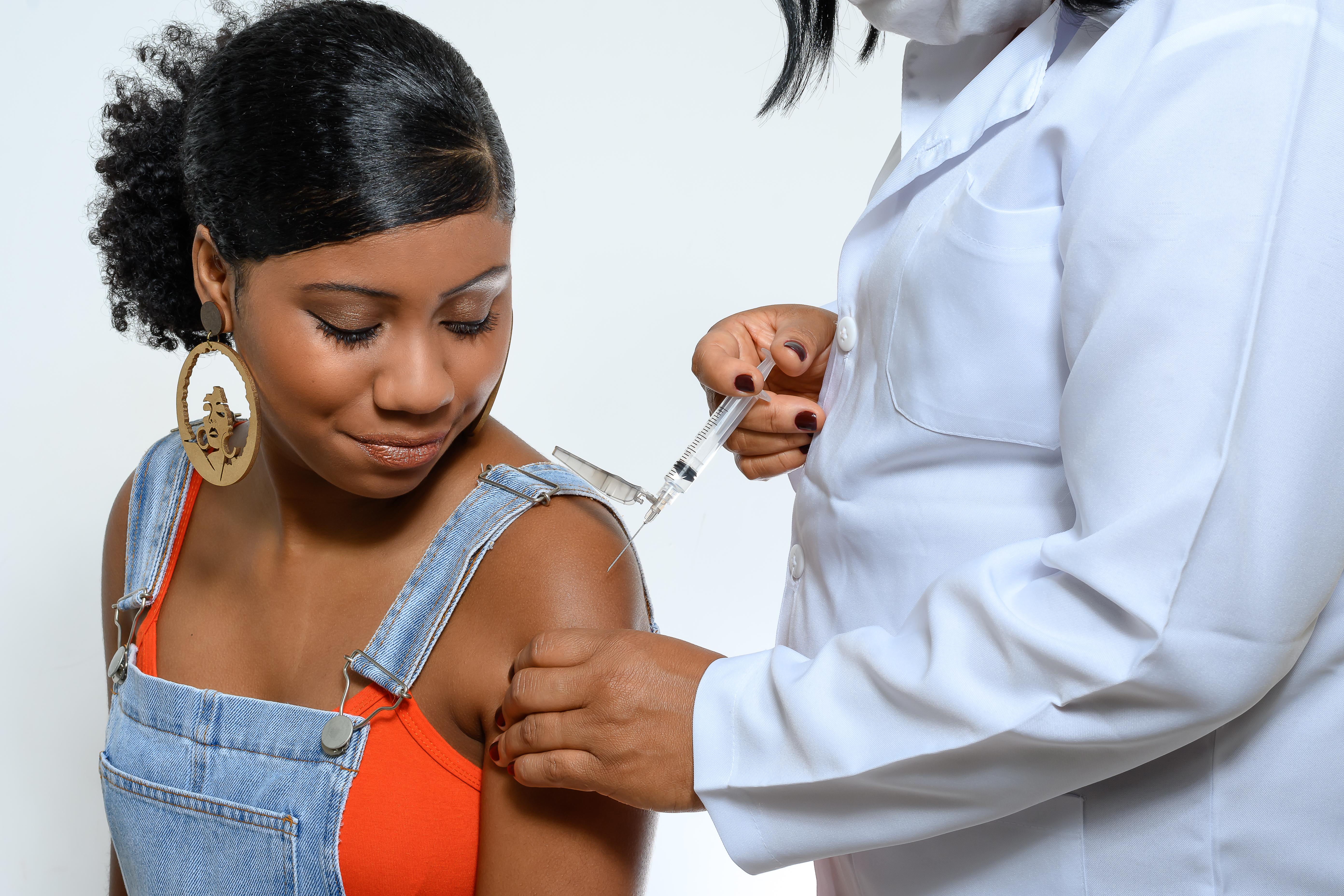
1. Get the HPV vaccine, Gardasil.
The HPV vaccine is a series of 3 shots over a six-month period and can be given to both men and women starting at age 9 and up to age 45. Gardasil doesn’t eliminate the chance of getting HPV, but it covers 9 of the high-risk HPV strains.
All men and women should get vaccinated. Tourtelot says, “From a public health standpoint, Gardasil is one of two vaccines that can prevent cancer.” (Hepatitis B vaccine helps to prevent liver cancer caused by infection with the Hepatitis B virus.)
- Preteens aged 11-12: Ideally, before exposure to the virus.
- Young adults through age 26: If they were not vaccinated earlier.
- Adults aged 27-45: In certain cases, based on risk factors. Consult your healthcare provider.
If you already have an HPV infection and have not had the vaccine, there is some evidence to suggest that getting the vaccine after treatment will help to reduce the risk of recurrence.
HPV is a sexually transmitted disease that can be prevented by having safe sex. Know the sexual history of your partner and use a condom.
3. Schedule annual appointments.
Screenings at annual exams are especially important as they may catch dysplasia, or pre-cancerous, abnormal cells. Providers screen for HPV through physical exams, pap smears, and HPV testing.
University of Rochester and the HPV Vaccine
Over the past 25 years, researchers at the University of Rochester have helped change the future of cancer prevention. In the 1990s, UR scientists played a key role in developing the technology behind the HPV vaccine, which protects against the virus responsible for most cases of cervical cancer.
Since the vaccine’s approval in 2006, its impact has been dramatic: studies show that rates of precancerous cervical changes dropped by about 80% among young women who were screened between 2008 and 2022. Today, the HPV vaccine is recognized as one of the most important advances in cancer prevention—and its success continues to support research, education, and patient care at the University of Rochester.
How our research has made an impact
Cervical Cancer Screenings
Cervical cancer screening involves Pap tests, HPV tests, or both. These screening tests detect abnormal cervical cells before they develop into cancer.
- Ages 21-29: Pap test every three years.
- Ages 30-65: Pap test and HPV test every five years (or just an HPV test every five years).
- 65 and older: Consult your provider about whether screening is still needed.
HPV Testing
HPV testing identifies high-risk strains that may lead to cancer. It is often performed alongside a Pap test for individuals aged 30 and older. Early detection allows for monitoring and intervention before cancer develops.
Are At-Home HPV Tests Safe?
Recently FDA-approved at-home HPV tests will allow some patients to collect a vaginal swab themselves instead of having the sample collected by a clinician. These new tests will help improve access to cervical cancer screening—especially for people who live in rural areas or have difficulty getting to in-person appointments.
The FDA-approved tests perform very similarly to clinician-collected samples. However, clinician-collected screening remains the preferred option for many patients. If you’ve had abnormal Pap smears in the past, abnormal bleeding, or have other risk factors, talk with your healthcare provider to find out whether at-home testing is right for you.
How is HPV Treated?
While there’s no cure for HPV itself, treatments are available for conditions caused by the virus:
Warts: Topical medications, cryotherapy, or surgical removal.
Precancerous changes: Procedures like cryotherapy or LEEP (loop electrosurgical excision procedure) can remove abnormal cells.
Cancers: Treatment depends on the type and stage but may include surgery, radiation, or chemotherapy.
UR Medicine Anal Dysplasia Clinic
When high-grade anal dysplasia is treated early, it can prevent cancer. At the UR Medicine Strong Dysplasia Clinic, we offer the most effective screenings and treatments for anal dysplasia.
Connect with us!



