

Imaging Tests Explained: What to Expect During a CT Scan, MRI, or Ultrasound
Key Takeaways
- Medical imaging tests help diagnose injuries and disease without surgery. They are also used to guide treatment and monitor conditions over time.
- A CT scan uses X-rays to create detailed cross-sectional images and is often used in emergencies.
- An MRI scan uses magnetic fields—not radiation—to capture highly detailed images of soft tissues.
- Ultrasound imaging uses sound waves to create real-time images and is commonly used during pregnancy.
- Imaging exam preparation depends on the type of test and whether contrast is needed.
Medical imaging tests allow your care team to see inside your body without surgery to diagnose conditions, guide treatment decisions, and monitor your health over time.
CT scans, MRIs, and ultrasounds are safe and painless (beyond a potential needle stick), but it’s natural to be a little nervous—especially if it’s your first time.
The good news: Most imaging tests are quick and done on an outpatient basis, meaning no hospital stay is needed. UR Medicine’s radiologists, in their work as physicians with specialized training in medical imaging, work closely with your providers to ensure you receive the right test at the right time.
Comparing Common Imaging Tests
|
Feature |
CT Scan |
MRI |
Ultrasound |
|
Radiation |
Yes (X-rays) |
No |
No |
|
Typical Exam Length |
5–30 minutes |
30–60 minutes |
15–30 minutes |
|
Common Uses |
Trauma, fractures, internal bleeding |
Brain, spine, joints, soft tissues |
Pregnancy, abdominal organs, blood flow |
|
Comfort |
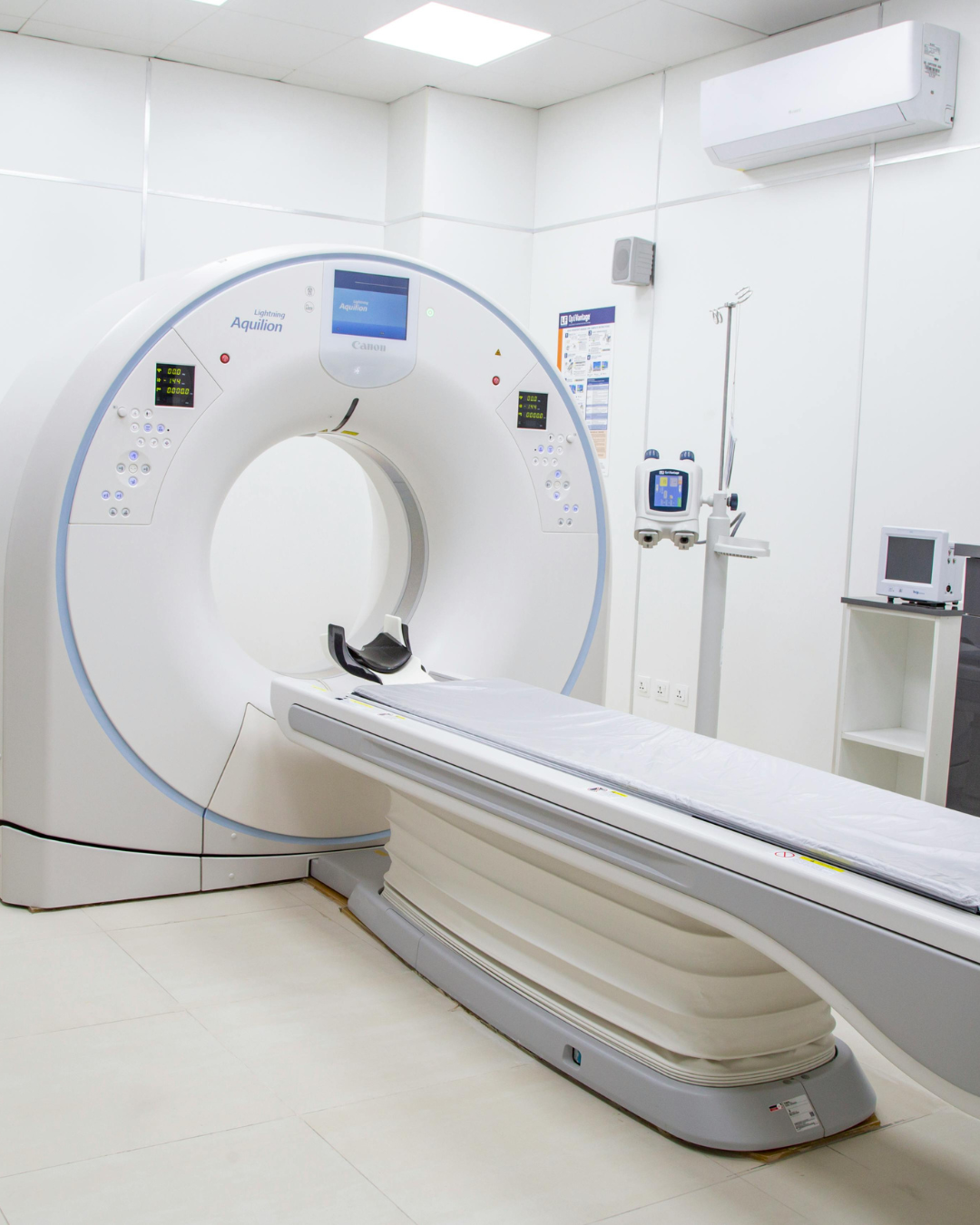
Short scan, donut-shaped open scanner |
Loud knocking noise, modern, more spacious |
Noninvasive, handheld probe |
What Is a CT Scan?
A CT scan (computed tomography scan), sometimes called a CAT scan, is a type of X-ray that takes detailed pictures of the inside of your body.
What to Expect
How To Prepare for a CT Scan
Imaging exam preparation may include fasting for several hours or adjusting certain medications. Your care team will give you clear instructions before your visit.
What Is MRI?
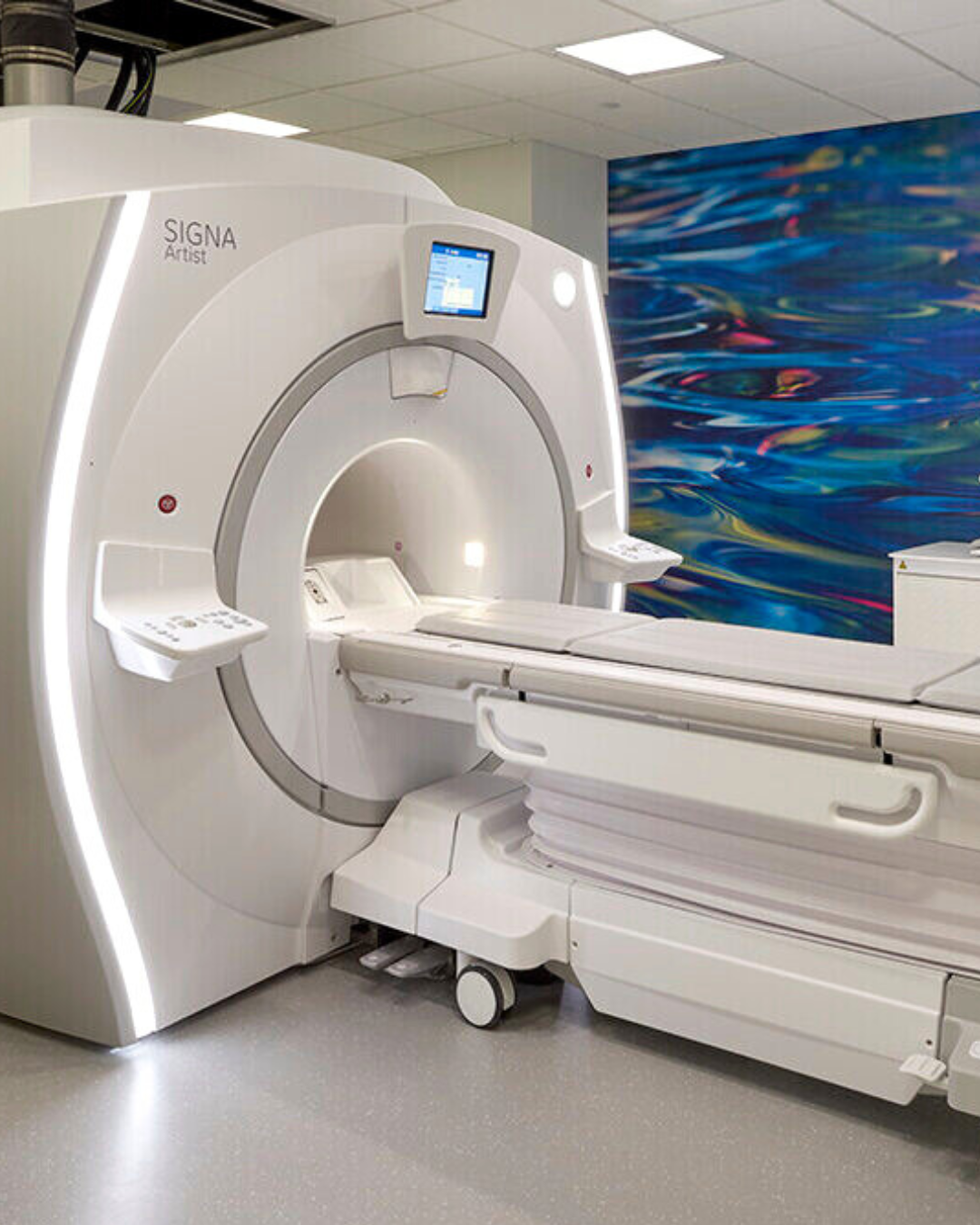
An MRI scan (magnetic resonance imaging) uses powerful magnets and radio waves to create detailed images of organs and soft tissues without radiation.
MRI provides detailed images that help doctors diagnose conditions that may not be visible through other types of imaging, such as:
- Brain and spinal cord conditions
- Joint and muscle injuries
- Ligament and tendon damage
- Tumors in soft tissues
What to Expect
MRI exams typically last 30 to 60 minutes. And while they are loud, they do not cause any pain. If you’re worried about feeling claustrophobic, know that newer, wide-bore machines provide more space than traditional MRI systems.
Before the exam, you will change into scrubs and be screened for metal implants or devices. Because MRI uses strong magnets, certain implants may not be safe.
Some MRI scans require contrast to better highlight specific tissues, and your provider will prepare you beforehand.
During the scan:
- You will lie on a table that slides into a tube-shaped machine.
- The machine makes loud knocking sounds. Ear protection is provided.
- Staying still is important to produce clear images.
How to Prepare for an MRI
You’ll be contacted by the imaging office to review your medical history and considerations for your upcoming test. Most MRI scans don’t require fasting; however, if a contrast drink is used or the scan involves your abdomen, you may be asked not to eat or drink for a few hours before your test.
What Is an Ultrasound?
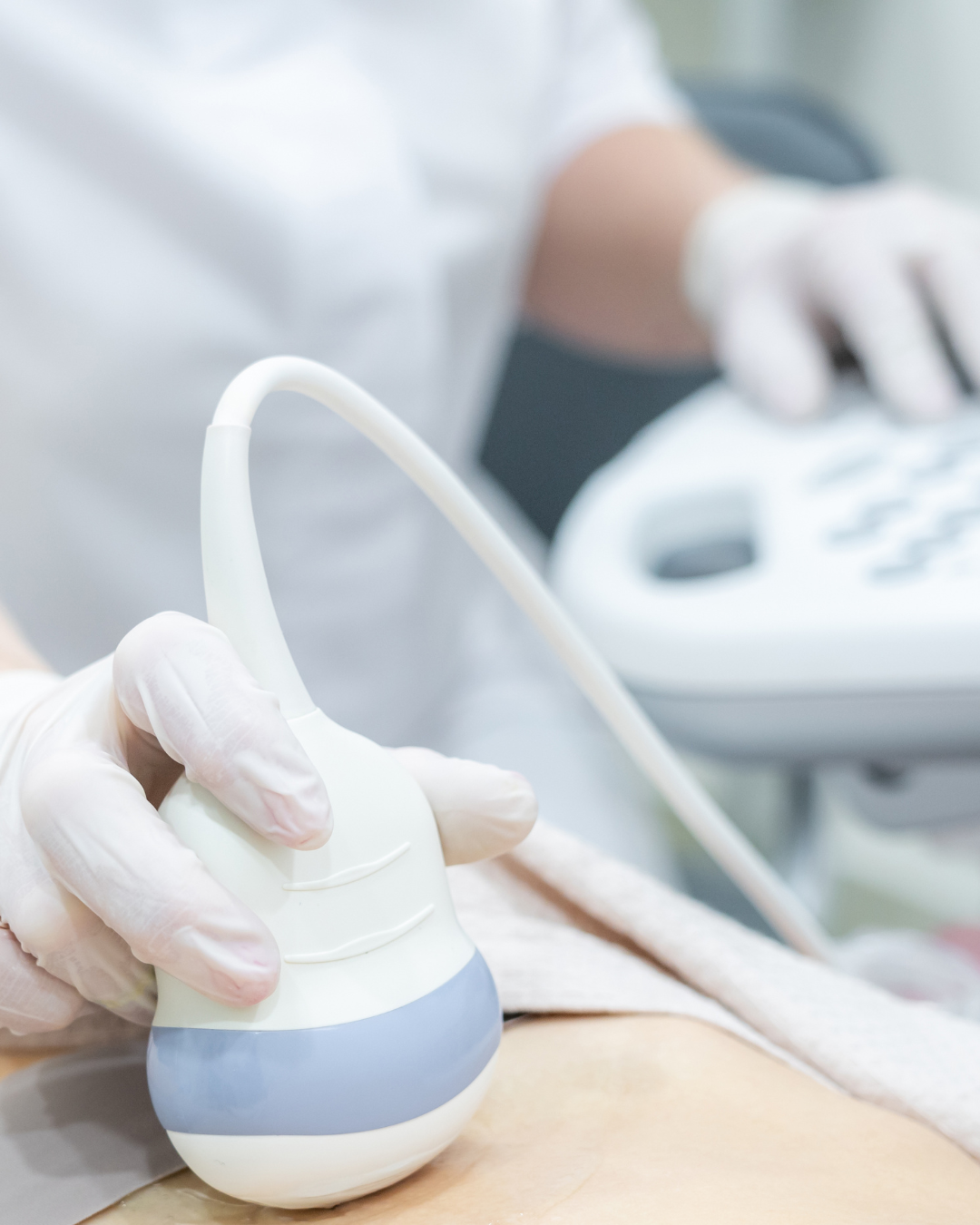
Ultrasound imaging uses high-frequency sound waves to create real-time images inside the body. It does not use radiation.
Ultrasounds are commonly used during pregnancy, but they are also important for evaluating:
- Abdominal and pelvic organs
- Blood flow and vascular conditions
- Thyroid and other soft tissues
Because ultrasound provides real-time imaging, it can also help guide certain procedures.
What to Expect During an Ultrasound
Most ultrasound exams take 15 to 30 minutes and are typically painless.
During the test:- A clear gel is applied to the skin.
- A handheld device called a transducer is moved over the area being examined.
- Images appear instantly on a monitor.
How to Prepare for an Ultrasound
Preparation depends on the type of exam. For example, you may need to fast before an abdominal ultrasound or drink water before a pelvic ultrasound.
Need to Schedule a Test?
UR Medicine offers advanced imaging at convenient locations throughout the region. Our imaging experts work closely with your provider to ensure you receive timely, accurate results.
Connect with us!



