

Does 'Adrenal Fatigue' Cause Weight Gain? The Truth About Adrenal Health and Hormone Imbalance
There’s a lot of talk online about “adrenal fatigue” as a cause of weight gain. But in reality, the term is not even a recognized clinical diagnosis, says Samuel Enumah, MD, MBA, an endocrine surgeon at the University of Rochester Medical Center.
What you should be paying attention to, he explains, is what can actually go wrong with your adrenal glands, simple behaviors that might be affecting your adrenal health, and what can help you feel better.

How Adrenal Glands Regulate Your Health and Hormone Levels
To put it simply, they help keep you alive. Adrenal glands produce cortisol, adrenaline, and other hormones that regulate many vital things, including blood sugar, metabolism, sex and fertility functions, and the immune system.
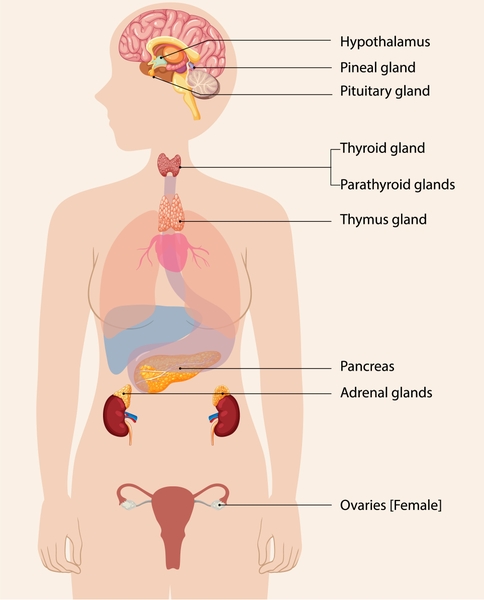
They also work in harmony with other glands in the endocrine system, including the:
- Pituitary gland, the “boss” of the endocrine system; it produces hormones that regulate other endocrine glands
- Pancreas, which produces insulin and glucagon to regulate your body’s blood sugar levels
- Thyroid gland, which regulates your body's metabolism
- Pineal gland, which regulates the cycle of waking and sleeping
- Ovaries and testes; ovaries regulate the menstrual cycle and fertility in females; testes produce testosterone in males
Common Adrenal Gland Disorders and Their Impact on Your Body
Overproduction or underproduction of adrenal hormones can lead to illnesses. Many can be treated with surgery or medical management, but if left untreated these conditions can cause serious health problems and can be life-threatening:
- Cushing’s syndrome: The body has too much cortisol, which can lead to diabetes, high blood pressure, blood clots, strokes, and heart attacks.
- Primary aldosteronism: The body produces too much aldosterone, which causes high blood pressure, low potassium, fatigue, and muscle aches.
- Pheochromocytoma: The body produces too much adrenaline and noradrenalin, which can cause high blood pressure, headaches, heart palpitations, and sweating.
- Addison’s disease: The body doesn’t produce enough cortisol, aldosterone, and adrenalin, which results in fatigue, muscle weakness, loss of appetite, and weight loss.
- Adrenal Cancer: In this rare condition, a tumor develops that may or may not produce hormones. Adrenal cancers can grow and spread throughout the body.
What Causes Adrenal Disorders?
Genetic and environmental factors, or damage to the glands, can cause these illnesses. But when there isn’t an obvious cause, environmental factors such as chronic stress, what you eat, how much you exercise, where you live, how much you sleep, what you do for a living, and even how much time you spend outside getting sunlight can affect overall health and play a role.

Eating a lot of processed food, enduring chronic stress, and having longstanding vitamin deficiencies can affect your adrenal gland health.
“For the patients I treat, there is usually some underlying physical process or growth in the gland that is affecting their endocrine system,” says Dr. Enumah. “Based on environmental stressors and diet, our body is going to respond in different ways and will increase or decrease hormone production. These changes can have a profound effect on a person’s health.”
For example, if someone always has excess cortisol levels from stress, they will have high levels of glucose and can develop insulin resistance, diabetes, and heart disease. Patients with chronically high blood pressure are at risk for stroke, kidney damage, and coronary artery disease.
What Are the Best Treatments for Adrenal Gland Issues?
Medical endocrinology and endocrine surgeons work together to identify the most appropriate treatment for each patient. Many conditions can be managed medically. An endocrinologist can treat adrenal gland conditions and other endocrine disorders with medicines that stop excess hormone production by overactive glands or replace essential hormones when a gland is underactive.
An endocrine surgeon will remove tumors of the adrenal glands.
As for “adrenal fatigue," the term can be a catch-all for symptoms like chronic fatigue, weight gain, and lethargy. However, “adrenal insufficiency” is a real diagnosis in which the adrenal gland is not producing enough hormones.
Anyone who feels chronically fatigued and has unexplained weight gain should have a medical checkup to see if they have an endocrine problem. And overall, to prevent problems, we can all focus on improved sleep, healthy eating, regular exercise, and stress management.
Expert Care for Adrenal Disorders
Your adrenal glands play a vital role in your health. Get expert diagnosis, treatment, and support from URMC's experienced endocrinologists and endocrine surgeons.
Connect with us!




Author
