

UR Medicine Introduces Next-Generation da Vinci Surgical System
Strong Memorial Hospital has become one of the first hospitals in Upstate New York to adopt the newest generation of the da Vinci surgical system. The state-of-the-art technology represents a significant advance in robotic-assisted surgery, bringing enhanced precision and control that can improve patient outcomes.
UR Medicine surgeons have long been leaders and innovators in robotic surgery. In 2001, Jean Joseph, MD, now chair of the Department of Urology, was one of a handful of surgeons in the country to perform a laparoscopic radical prostatectomy using a robotic surgical system. Since then, robotic platforms have become a fixture in operating rooms nationwide and have become the standard of care for many surgeries. Robotic surgery is now used for partial nephrectomies, cholecystectomies, gynecological, ENT, and colorectal procedures, as well as kidney and liver transplants.
UR Medicine is among the top health systems in the U.S. for robotic surgery volume, offering procedures across Strong Memorial, Highland, F.F. Thompson, St. James, and Jones Memorial hospitals. Strong Memorial is in the process of replacing its four da Vinci Xi multi-port robots with the next-generation da Vinci 5 system.
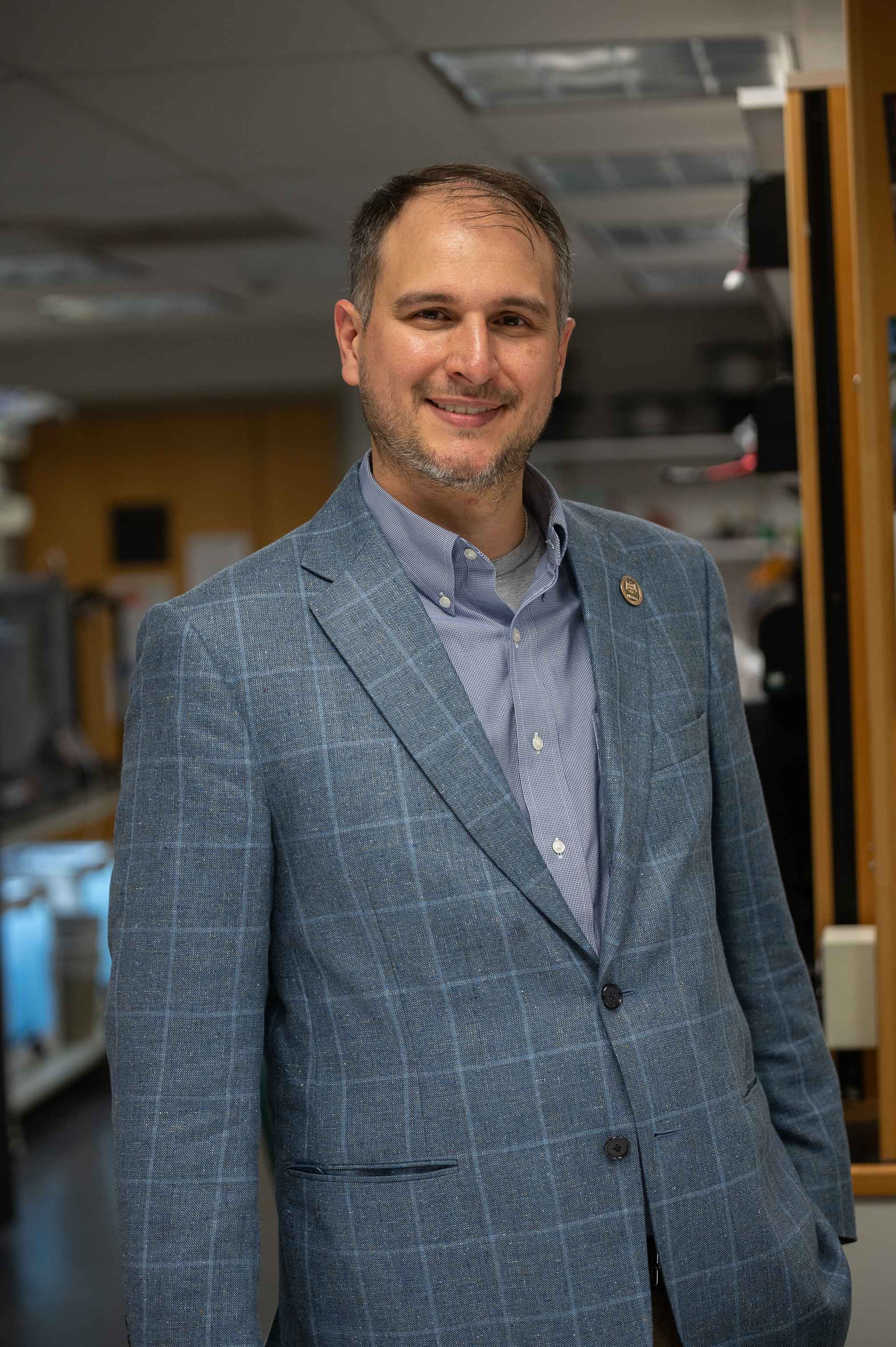
“Adopting the da Vinci 5 is more than acquiring new equipment—it’s a strategic investment in patient care and surgical education,” said Thomas Osinski, MD, urologic surgeon at UR Medicine and director of the Surgical Research and Genitourinary Engineering (SURGE) Lab. “This next-generation system represents an important step forward in how we deliver care. With enhanced precision, haptic feedback, and advanced imaging, it strengthens our ability to perform complex procedures more safely and effectively. Most importantly, it reflects our ongoing commitment to improving outcomes and quality of life for our patients.”
Technological Advances
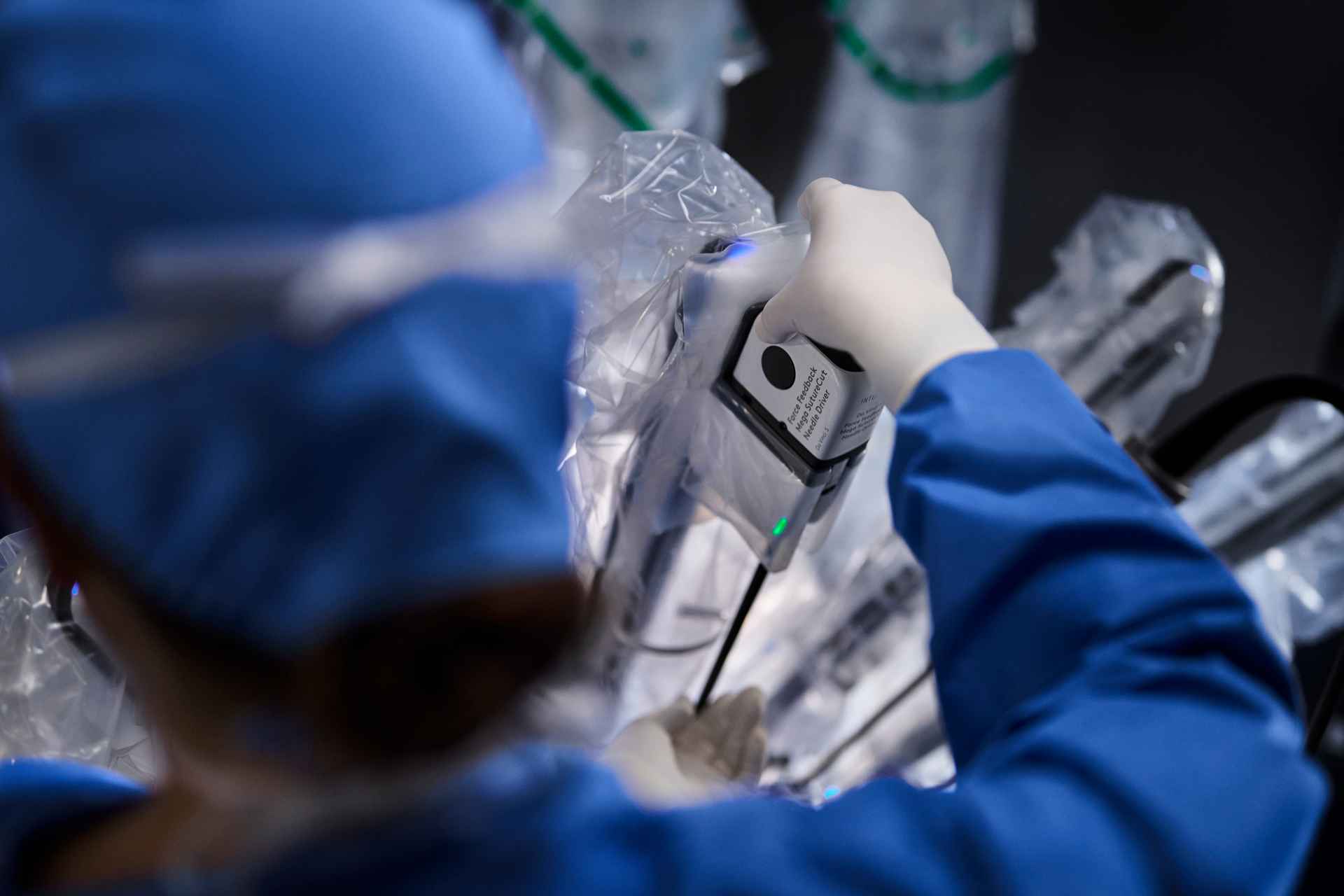
The da Vinci 5 system introduces several key innovations:
- Force (Haptic) Feedback: Surgeons can now feel resistance and tension in tissue through the robotic controls. “Hepatic feedback can help improve functional outcomes from surgery,” said Osinski.
- Greater Surgical Control: Surgeons can manage abdominal pressure and make faster adjustments directly from the console, which will minimize interruptions.
- Advanced Imaging: The upgraded Firefly technology (which was originally co-developed with the University of Rochester) will enhance tissue visualization and help surgeons identify critical structures more clearly.
- Efficiency: Improved dexterity and visualization may lead to shorter surgeries, less time under anesthesia, and potentially smoother recoveries.

Patient Benefits and Future Potential
For patients, these advances translate into further improving upon the benefits already associated with robotic-assisted surgery: less invasive surgery with shorter hospital stays and less recovery time. In addition, the da Vinci 5 may improve functional outcomes in complex procedures such as prostate surgery. Haptic feedback during prostate surgery may improve nerve preservation that can impact erectile function and urinary control. While long-term data are still being collected, Osinski emphasized the system’s potential for cancer patients.
“What excites us most is the possibility of improving both survival and quality of life,” said Osinski. “With better visualization, greater precision, and the ability to protect critical structures, we have a real opportunity to improve cancer control while also helping patients maintain urinary and sexual function after surgery. All these things are very important for patients.”
One of the prior generation da Vinci Xi systems will be relocated to the UR Medicine Surgery Center at Sawgrass, becoming one of the first in the region to offer robotic surgery at an ambulatory surgery center, and increasing access to patients who may need less complex robotic surgery.
Training to Lead
Another of the da Vinci Xi systems being replaced at Strong Memorial will be moved to the SURGE Lab, a surgical simulation lab that develops anatomical models to advance surgical skills training.
“This approach ensures that our patients benefit from the most advanced surgical technology available, while also giving medical students, residents, and fellows the opportunity to train in a safe, dedicated environment,” said Osinski. “Few institutions nationwide provide this level of access to both patients and trainees. It’s an investment that improves care today and helps prepare the next generation of surgeons to deliver even better care tomorrow.”
Author
