

Transforming Parkinson’s Care for Underserved Communities
A new research project is seeking to reshape care for patients with Parkinson’s disease, Lewy Body Dementia, and related neurodegenerative disorders and address disparities in care and outcomes in Black and Hispanic populations.
Parkinson’s is the world’s fastest-growing brain disease, and traditional care models—focused mainly on motor symptoms—are proving insufficient. Recent studies have highlighted that non-motor symptoms such as pain, depression, and cognitive decline can be as devastating, often leading to diminished quality of life, increased caregiver strain, and even higher mortality rates.
A New Paradigm in Parkinson’s Management
Traditionally associated with cancer care, palliative care is now emerging as an important strategy for neurodegenerative conditions. Addressing the full spectrum of patient needs—ranging from symptom management to advanced care planning—palliative care has been shown to improve both patient and caregiver outcomes. The new project will explore how to adapt these models to Black and Hispanic communities in a manner that is culturally relevant, accessible, and scalable.
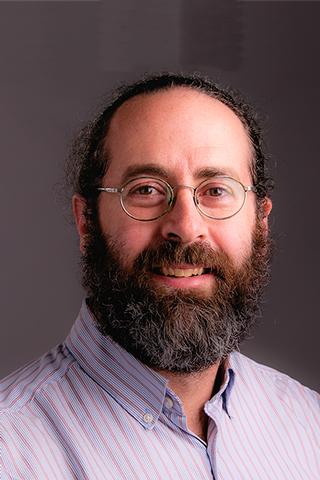
"The neuro palliative care approach goes beyond traditional neurology by addressing the comprehensive total pain of Parkinson’s,” said University of Rochester Medical Center (URMC) neurologist Benzi Kluger, MD, MS. "This holistic model is especially critical for people living in underserved communities who are at higher risk for having symptoms under-treated and may face additional challenges in coordinating care including financial strain."
Kluger—co-principal investigator of the new National Institute of Neurological Disorders and Stroke-funded project—is a pioneer in palliative care. In 2023, he led an international effort to create a framework for its application to neurological disorders.
While research shows that palliative care can improve outcomes for Parkinson’s patients, Black and Hispanic communities are underrepresented in these studies, potentially widening already significant disparities in care. Other research indicates that these groups experience more severe non-motor symptoms and face substantial barriers to receiving comprehensive care.
A Perfect Partnership
The new study will take place in Rochester, NY, and employ Community-Based Participatory Action Research (CBPAR) principles, which seek to address health disparities and bring about social change while empowering community members to participate in all stages of the research process.
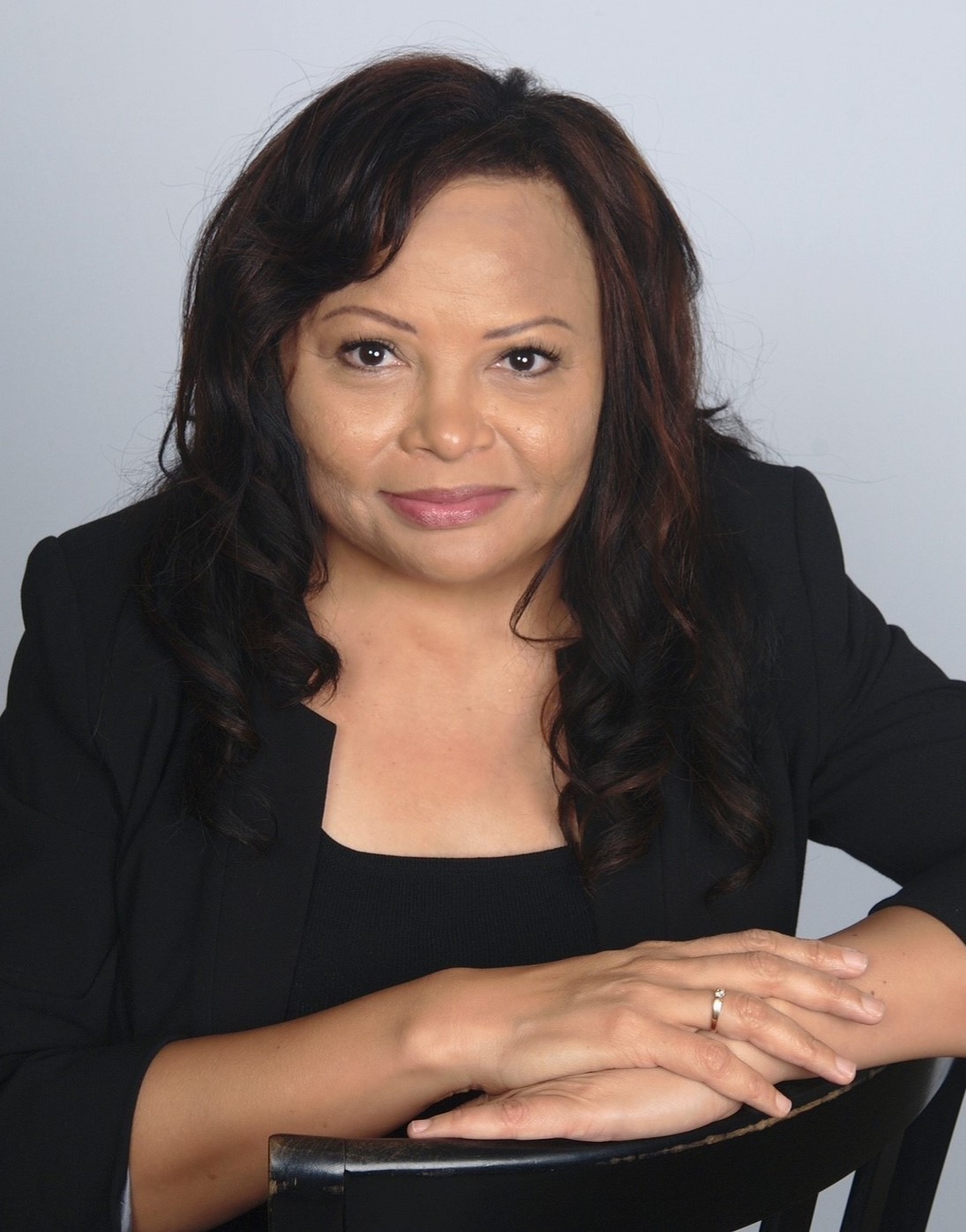
“The CBPAR framework helps build relationships and fosters action—it’s about integrating community ideas, ensuring the palliative care model reflects the realities of patients of color, and driving change through interventions, policy shifts, and community programs that address historical and current disparities in care,” said Amina Alio, PhD, with the URMC Department of Public Health Sciences and co-principal investigator of the new study.
The project will strengthen academic-community collaborations by expanding the ranks of Rochester community advisors to include patients, caregivers, community leaders, and health service providers. Through interviews and listening sessions, the team will conduct community-based qualitative assessments to identify the unique palliative care needs, information gaps, and service preferences of Black and Hispanic communities, informing culturally tailored interventions.
“There is a critical gap in palliative care for brown and black communities,” said Phyllis Jackson, RN, founder and executive director of the Interdenominational Health Ministry Coalition (IHMC). “Our aging population and their caregivers face issues that palliative care teams could alleviate, yet when we introduce these services, they’re immediately associated with hospice and death. This highlights an urgent need for education, bi-directional learning, and trust-building, with active engagement of people of color.”
The community partners for the project are deeply embedded in the Rochester faith and health landscape and include IHMC, Jordan Health, and the Ibero-American Action League. Collaborating with national leaders in neurology and community engagement at the University of Southern California, Mayo Clinic, and Columbia University, the research will lay the foundation for multisite clinical trials designed to make palliative care more equitable, effective, and widely accessible.
Why Rochester? A City in Need

Rochester’s challenges underscore the urgency of this work. As one of the nation’s most segregated and economically disadvantaged cities—with over two-thirds of its residents identifying as Black, Hispanic, or of other minority origins and nearly 30 percent living in poverty—the community faces significant health inequities. Residents contend with historic underinvestment in many city neighborhoods and a high burden of environmental and socio-economic stressors. Community members in Rochester have already identified palliative care as a high priority.
A national leader in clinical Parkinson’s disease research, URMC has served as the coordinating center for the Parkinson Study Group—an international consortium of researchers—and holds designations as a Parkinson Foundation Center of Excellence and a federally funded Morris K. Udall Center of Excellence for Parkinson Disease.
The project will build on work already underway to address disparities in neurological care, including a URMC Spanish Language Neurology Clinic overseen by Blanca Valdovinos, MD, the palliative care division’s community outreach and partnership efforts led by Denzil Harris, MD, a URMC hospitalist and palliative care physician, and Charles White, the Department of Neurology’s Community Engagement Specialist.
Author
