

The Trial That Saved Me: The Impact of Clinical Trials
When you hear the words “clinical trial,” you might think of lab coats, complicated science, and uncertainty. But for many people in our community, clinical trials at the University of Rochester Medical Center have meant something much simpler and far more powerful: hope.
These trials aren’t just about advancing medicine; they’re about saving lives. Meet some of the people who chose to take part in research at the University of Rochester Medical Center and you’ll witness the miracle of tomorrow’s cures today.
These remarkable stories offer a window into what clinical trials are really like—and why they matter more than ever.
Among the First in the Nation: New Treatments for Duchenne Muscular Dystrophy
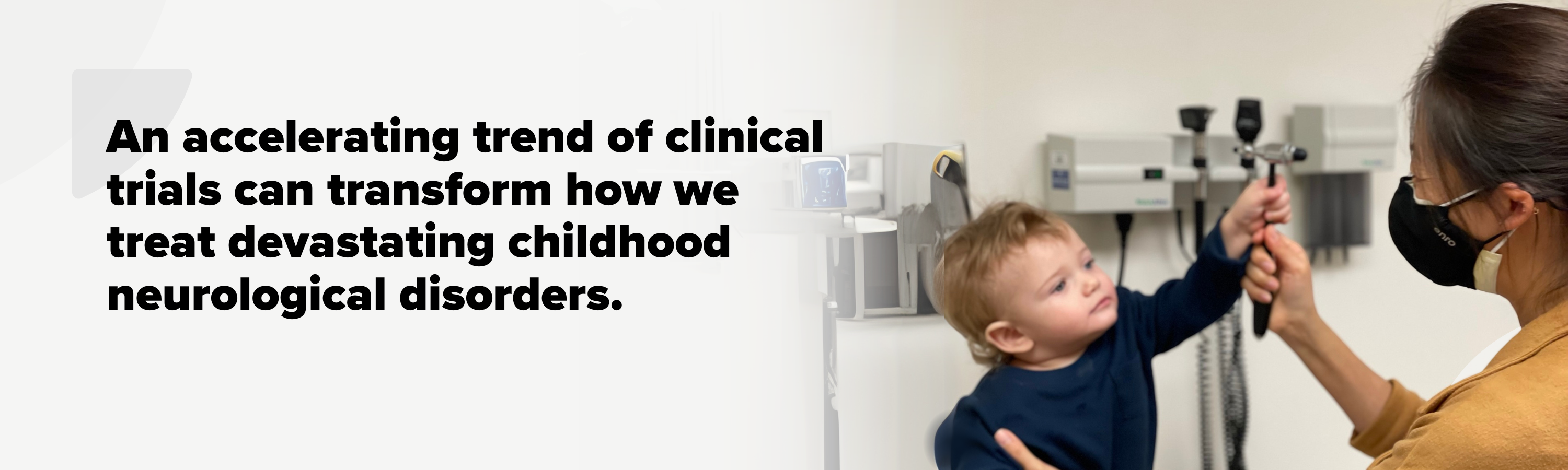
Charlie Prior was one of the first participants in the U.S. to be enrolled in a phase 3 clinical trial involving a gene therapy for Duchenne muscular dystrophy (DMD).
In many childhood neurological disorders, spotting the disease before symptoms appear is critical for these new therapies to be effective. Our research team is working to get Duchenne added to the New York State Newborn Screening Program, a panel of medical tests that screen newborns for 50 different disorders, primarily genetic, that can be more effectively treated if identified earlier.
An estimated 12,000 people in the U.S. suffer from DMD, a condition that mostly affects boys and causes early-onset muscle weakness that worsens quickly and leads to serious disability. Children with DMD typically end up in a wheelchair by age 9 or 10 because of weakness in their legs.
The symptoms eventually spread to the heart and muscles responsible for breathing, and the disease is often fatal by the time the individual reaches their 20s or early 30s.
Today, Charlie is doing wonderfully. The third grader loves playing outside and is advocating for himself at school. He even opens up about DMD at school and shares his experiences with his peers.
Making History: Groundbreaking Hodgkin Lymphoma Treatment
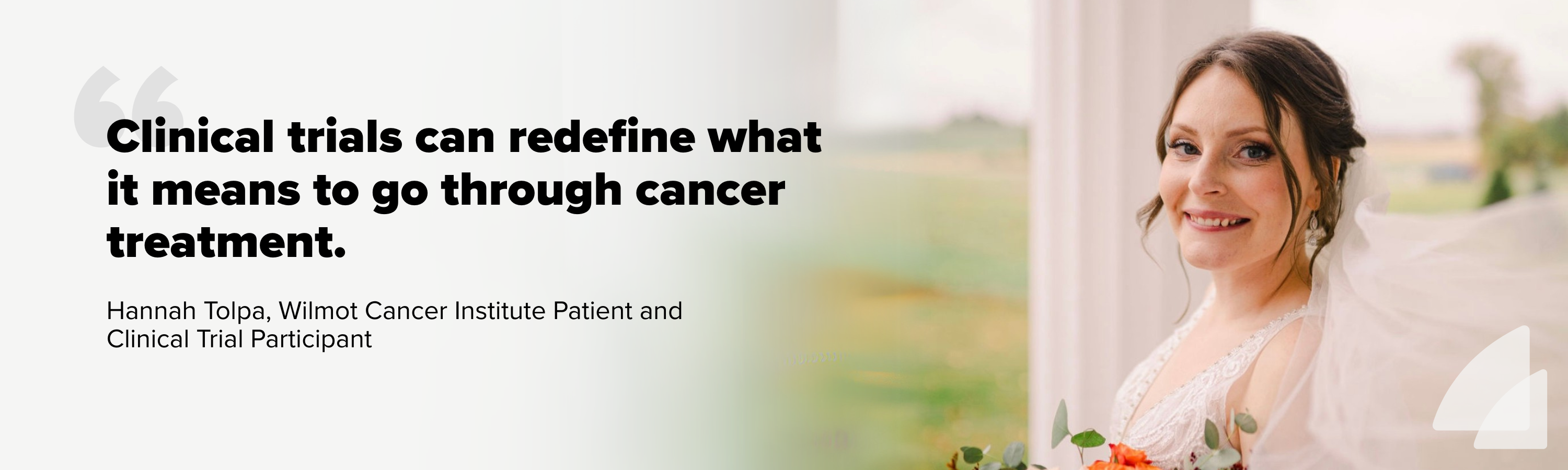
Hannah Tolpa was launching her career as a registered nurse at age 27 when she started losing weight and noticed a swollen node in her neck. In 2021, she was diagnosed with stage 4 Hodgkin lymphoma. “I was so sick… basically a shell of myself,” she recalled.
Tolpa enrolled in a clinical trial under the care of Dr. Jonathan Friedberg at the Wilmot Cancer Institute and was randomly assigned to receive immunotherapy (nivolumab-AVD). Remarkably, her fatigue disappeared after the first treatment, and she began feeling better quickly. Six months later, she completed treatment and was declared cancer-free on December 7, 2021.
Inspired by her experience and care team, Tolpa transitioned from orthopedic trauma to oncology nursing and recently received her Nurse Practitioner Degree. “I had something horrible happen to me,” she said, “but now I can make something good out of it.”
A Life-Saving Cool Down: Mary Sarah’s Story
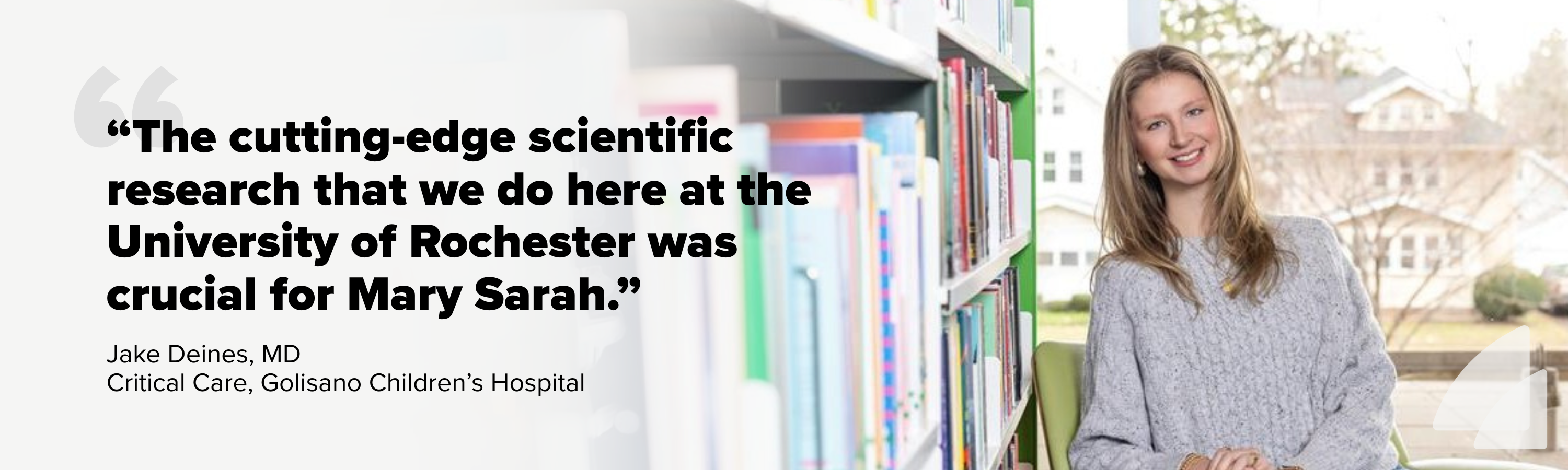
That’s when they recommended therapeutic hypothermia—a treatment to cool her body temperature and protect her brain—using a device called the Arctic Sun. This was part of a national clinical trial called P-ICECAP, studying how long patients should be cooled after cardiac arrest to achieve the best outcomes.
Mary Sarah’s family didn’t hesitate to participate in the study. Through the trial, she became one of GCH’s first pediatric patients to receive this cutting-edge care.
“The research we do here at the University of Rochester was crucial for Mary Sarah,” said GCH critical care provider Jake Deines, MD. “It allowed us to have the tools and expertise to help protect her brain in those critical days.”
Mary Sarah made remarkable progress, progressing from a medically induced coma to regaining her strength through intensive rehabilitation. Today, she’s preparing for college at Appalachian State University, a testament to how clinical trials can offer hope and healing.
Clinical trials are more than research studies—they are pathways to hope, healing, and better futures. For patients like Charlie, Hannah, and Mary Sarah, participating in clinical trials at URMC opened doors to innovative treatments that changed their lives.
By connecting cutting-edge science with compassionate care, clinical trials at URMC continue to push the boundaries of what's possible.
Clinical Trials Near You
Clinical trials are the safest and fastest way to find effective vaccines, treatments, and new ways to improve health. They can also offer cutting-edge treatment options not available elsewhere. Ask your doctor if you qualify for a clinical trial or learn more about volunteering as a healthy participant.
Connect with us!



