

Tanya Mayadas Appointed Chair of Microbiology & Immunology and Inaugural Director of New Institute
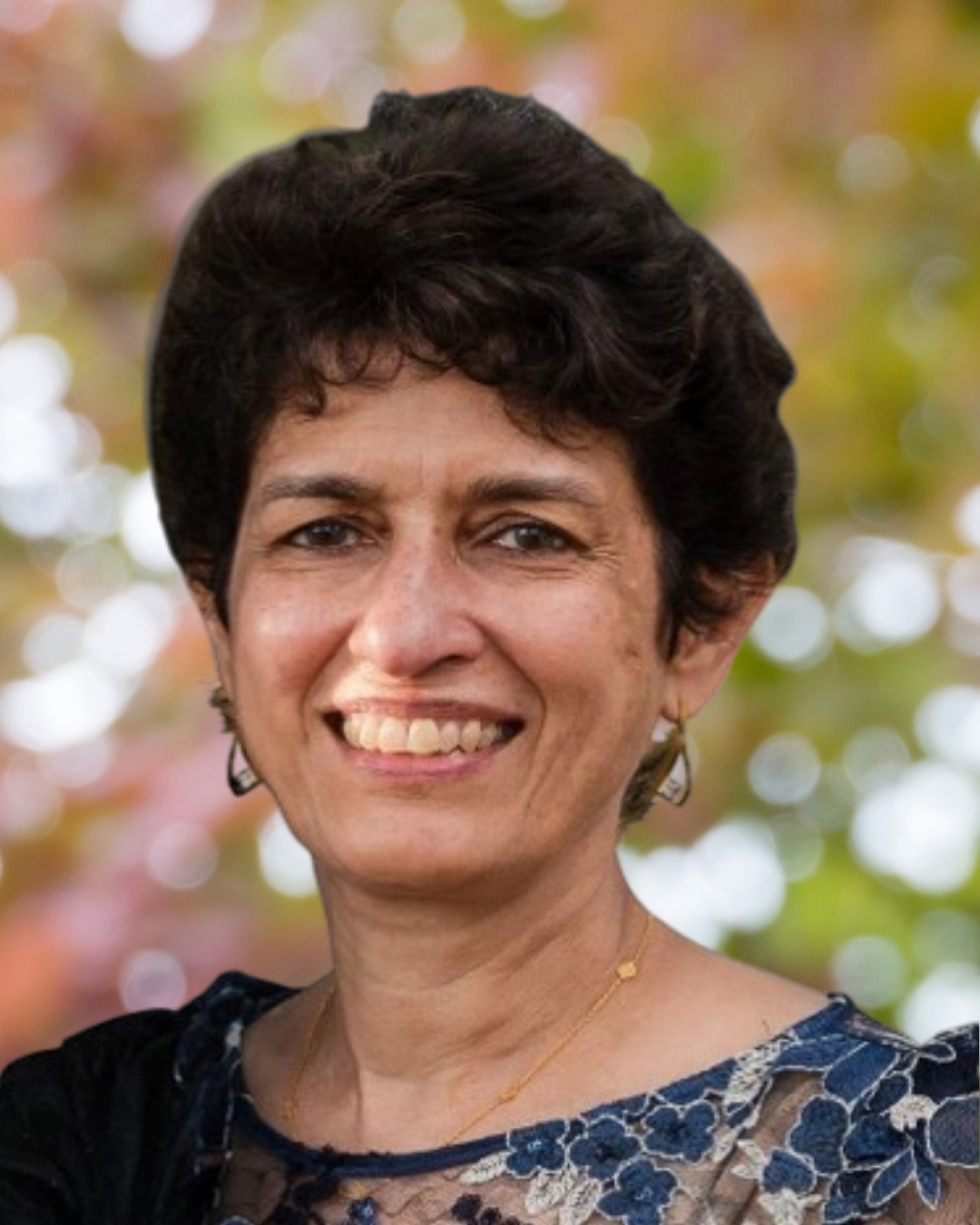
Tanya N. Mayadas, PhD, has been selected as the next Chair of the University of Rochester Medical Center (URMC) Department of Microbiology and Immunology and Director of the new Institute for Immunological Sciences.
The appointment, which is effective August 1, 2025, represents a homecoming for Mayadas. She received her BA in Biology (1983) and PhD in Biochemistry (1989) from the University of Rochester, followed by a joint postdoctoral fellowship at Massachusetts Institute of Technology (MIT) and Tufts University. Since 1993, she has served on the faculty of Harvard Medical School—a tenured Professor of Pathology since 2010—and as a staff scientist at Brigham and Women’s Hospital in the Department of Pathology.
“Dr. Mayadas’ deep roots at the University of Rochester and her impressive academic track record will be invaluable as we seek to expand collaborative research initiatives across disciplines,” said David Linehan, MD, CEO of URMC and Dean of the School of Medicine and Dentistry. “I’m very excited about the future, and Dr. Mayadas will help us build on the strength we already have in immunology to create a new Institute with national and international prominence.”
“I am energized by the opportunity to advance immunology at URMC under Dr. Linehan’s commitment and resources to establish a world-class Institute for Immunological Sciences,” said Mayadas. “Equally compelling is the enthusiastic support from chairs and directors to make translational immunology a central pillar of the Institute’s mission. As a former PhD student at URMC, I know firsthand the warmth and support of this community. I’m a people person, and relationships matter to me—URMC offers the ideal blend of quiet confidence, deep expertise, collaboration, and community.”
A Leader in Innate Immunity and Vascular Biology
The Mayadas lab investigates how innate immune cells—neutrophils and monocytes—are recruited from the bloodstream into tissues during inflammation, engulf and destroy threats, and inadvertently cause tissue injury in autoimmune diseases and cancer. A central focus of her research is antibody-driven glomerulonephritis, a leading cause of kidney failure, and her lab has identified receptors and signaling pathways in neutrophils that coordinate immune cell entry, activation, and organ damage.
Mayadas showed that one family of these receptors can flip neutrophils into antigen-presenting cells, rallying cancer-killing T cells, a promising immunotherapy avenue, and potentially fueling autoimmune flare-ups in lupus. Her lab also explored the vascular side of inflammation: how blood vessels modulate permeability to maintain fluid balance yet become hyperpermeable in conditions including sepsis, diabetes, and Alzheimer’s. Her research has been recognized by continuous NIH funding for over 30 years, and awards such as the Lupus Research Alliance Distinguished Innovator award.
Mayadas is a dedicated mentor whose former trainees now lead labs worldwide and hold leadership positions in academia and industry. She received Excellence in Tutorial Facilitation awards at Harvard Medical School and served on multiple education and promotions committees. Nationally, she contributes to NIH study sections, editorial boards, and the American Society for Investigative Pathology.
“As a University of Rochester alumna, Dr. Mayadas has a deep understanding of our institutional culture and the foundational importance of experiential learning to the career development of young scientists,” said Steve Dewhurst, PhD, Vice President for Research at the University of Rochester. “She is both an outstanding immunologist and researcher, and an entrepreneur committed to translating the discoveries made in her laboratory into new therapies that can be used to treat cancer.” Dewhurst was Chair of the Department of Microbiology and Immunology from 2009 to 2020. The department has been successfully led by Jacques Robert, PhD, as chair in the interim.
The Department of Microbiology and Immunology
Home to over 20 research labs, researchers within the Department of Microbiology and Immunology have pioneered vaccine development and evaluation, including the HPV, influenza, and COVID vaccines, and how cancer-killing T cells can be guided to tumors. Research spans host-pathogen interactions, the microbiome, immune regulation, and translational immunology.
The Department includes one of the world’s premier Xenopus laevis (African clawed frog) research resources, which is fueling insights into developmental and immune biology and is the scientific centerpiece of the new Lake Ontario MicroPlastic Center. Mayadas will continue to strengthen and expand the department’s existing areas of excellence while strategically integrating them with the Institute.
A New Institute to Tackle the Biggest Challenges in Human Immunology
Mayadas will serve as the inaugural Director of the Institute for Immunological Sciences. Mayadas envisions “building a world-class immunology institute by recruiting experts in key immune cell types, advancing systems immunology to uncover complex immune networks and therapeutic targets.”
Providing rich training opportunities for students and postdoctoral fellows, the Institute will foster cross-disciplinary research to address chronic inflammation, immune dysregulation in autoimmune and allergic diseases, cancer immune evasion, and age-related immune decline.
The Institute will create University-wide partnerships to bridge foundational science and clinical translation through team science and develop the industry-academic partnerships necessary to accelerate innovation, enhance community engagement, visibility, and philanthropic support.
Author
