

Nurse Finds Purpose In Losses: Supporting Others Through Grief
Family gatherings often remind Elise Marcello, RN, and her husband, Sam, that there should be two additional place settings at the table.
For the babies they lost.
Samuel Jr., and Evalena would be in school now, with their nine-year-old brother, Leo. Their home would be busy with homework, music or dance lessons, Scouts and sports.
Their daughter was born the day after Thanksgiving 2020. Evalena was extremely premature – at just 23 weeks and five days – and survived just eight hours. “She died in my arms. And it shook my world,” Elise said.
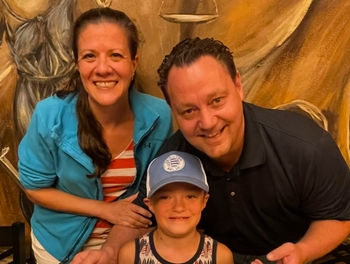
It was a familiar heartache. In March 2015, the couple was “blindsided” when their obstetrician couldn’t find a heartbeat during a check-up in the 22nd week. Samuel Jr., was stillborn.
“I coped with it by throwing it all under the rug. I went back to work quickly and just powered through,” Elise recalled. As a nurse, she cared for children with cancer.
Between the infant losses, in August 2016, Leo was born, following a pregnancy filled with fear and worry.
When Elise got pregnant with Evalena she felt more confident. “We had a healthy, living son. We had a good outcome,” she said. “I expected to go into labor early with the third one, but I never thought it would be so soon.”
Relying on her personal and professional experiences, she helps train new nurses on how to provide compassionate care for couples who lose their baby.
“It’s been very comforting to share my story as I teach nurses what’s helpful and what’s not. It’s also helped my grieving process. I have a place to talk about my babies and help others care for families going through the same experiences,” Elise said.
“I know how hard this is for the parents, and how important our work is to help them through this difficult time.”
Ways You Can Help
When someone you love is grieving the loss of an infant, it can be difficult to know what to say or do to show you care. Here's some tips:
- Be present and say: ‘I’m sorry.’
- Use the baby’s name and ask them to tell you about the baby.
- Ask to see baby photos or keepsakes.
- Offer to do household chores.
- Take the other children in the family for an outing.
- Attend the funeral or memorial service.
- Keep remembering the baby on special occasions or anniversaries.
Connect with us!




Author
