

Master the Safe Swing: How to Prevent Golfer's Elbow
With golfers back on the course, it's important to remember that even a sport like golf is not without risks. One of the most common injuries is Golfer’s Elbow, or Medial Epicondylitis, characterized by pain from the wrist to the inside of the elbow. Thankfully there are plenty of stretches and exercises to help prevent it.
What is Golfer’s Elbow?
While playing on our area’s beautiful courses like Genesee Valley Golf Course or Oak Hill Country Club, it’s important to know that even the slightest discomfort is the body’s way of telling you not to push past your limit.
Golfer’s elbow happens when excessive force is used to bend the wrist toward the palm. Golf involves a lot of repetitive swing motion, which places strain on specific muscle groups and joints over time, resulting in inflammation and pain. The pain can extend along the forearm and is often accompanied by stiffness and weakness in the wrist and hand.

How to Prevent Golfer’s Elbow
Stretching, flexibility exercises, and a proper warm-up routine are the best techniques for athletes to avoid injury. Following these fitness regimens will not only significantly reduce your chances of injury but can also improve your performance. The following exercises reduce strain on muscles and joints to prevent golfer’s elbow.
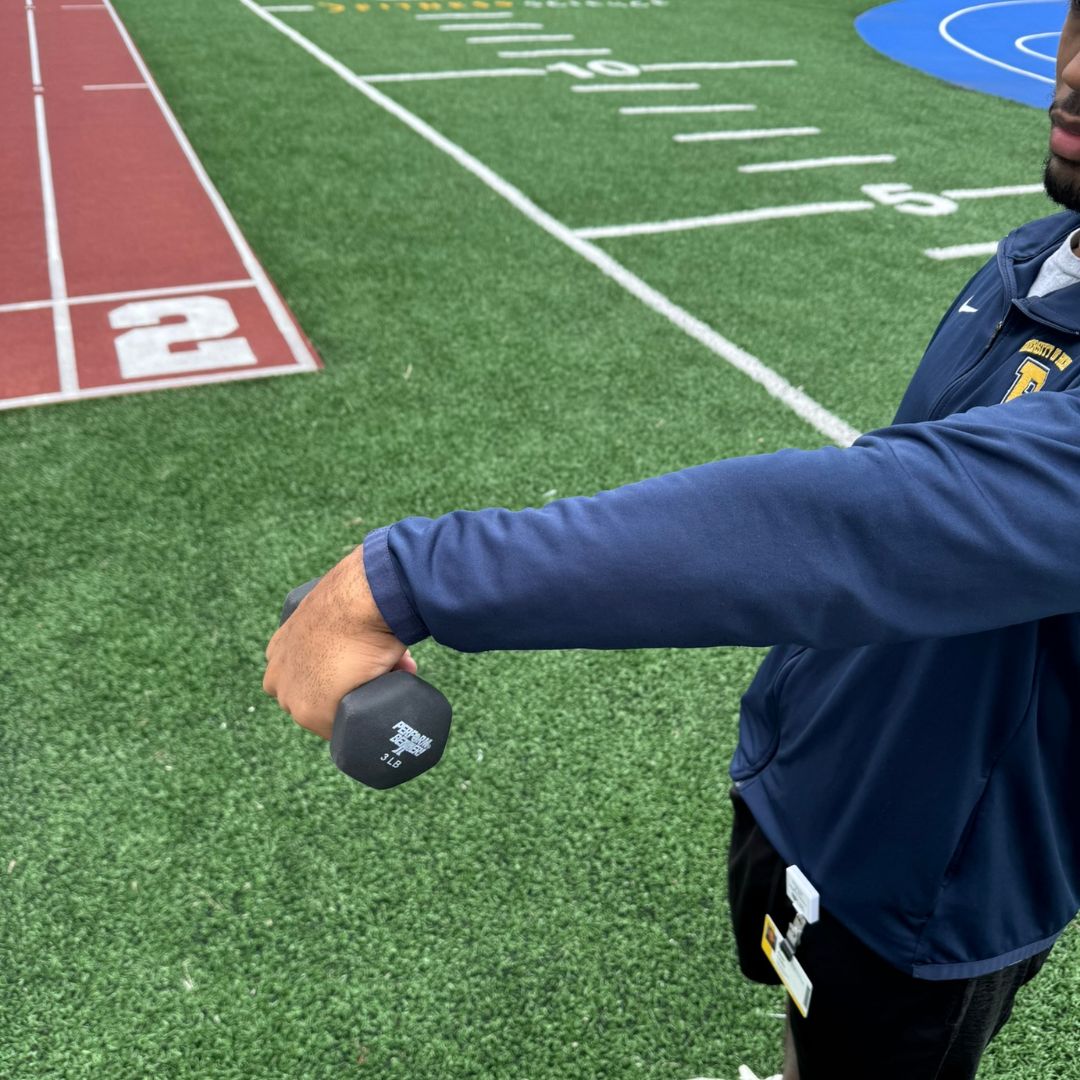
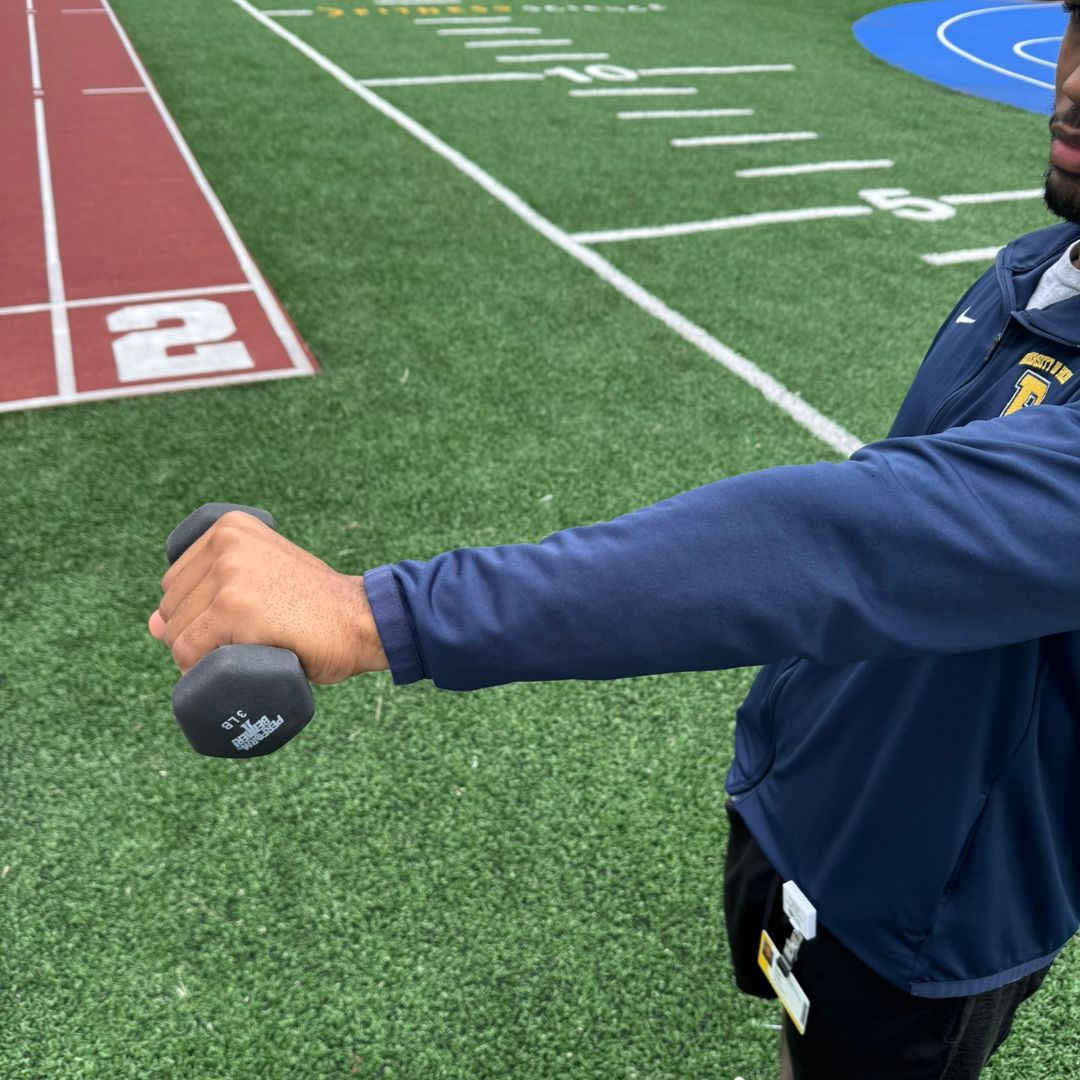
Light-Weight Forearm Rotations
Rotating the forearm in a flipping motion with a light weight will improve flexibility and strength.
Movement
- Sit or stand comfortably with your arm bent at a 90-degree angle, keeping your elbow close to your side.
- Slowly rotate your forearm so your palm faces upward (supination).
- Then, rotate your forearm in the opposite direction so your palm faces downward (pronation).
Tips for Success
- Start with a very light weight to avoid overexertion, especially if you're new to the exercise or recovering from an injury.
- Keep your movements slow and controlled to maximize muscle engagement and prevent strain.
- Avoid gripping the weight too tightly. This can cause tension in your hand and wrist.
Wrist Curls and Extensions
Wrist curls and extensions are simple yet effective exercises to strengthen the muscles in your forearm, specifically the wrist flexors and wrist extensors. These muscles play a crucial role in stabilizing your wrist and supporting movements of your hand and fingers. Regularly practicing wrist curls, with or without a weight, will help strengthen muscles in the wrist (wrist extenders and flexors) and reduce strain on the elbow.
Movement
- Hold the weight in your hand and slowly curl your wrist upward, bringing the weight toward your forearm. Pause briefly at the top.
- Slowly lower the weight back to the starting position, allowing your wrist to extend fully.
- Perform 10–15 repetitions for 2–3 sets, depending on your fitness level.
Tips for Success
- Start with light weights or no weights to ensure proper form and avoid strain.
- Perform the movements slowly and with control to maximize muscle engagement.
- Avoid overloading the weight, as this can lead to injury.
Planks
While planks primarily target other muscles in the body, they also contribute to elbow strength and shoulder strength that can protect the elbow joint.
Movement
- Begin by lying face down on the floor or a mat.
- Position your elbows directly under your shoulders, with your forearms flat on the ground. Your hands can be clasped together or flat on the mat.
- Extend your legs straight behind you, with your toes supporting your lower body.
- Maintain the plank position for as long as you can while keeping proper form. Beginners can start with 20–30 seconds and gradually increase the duration as they build strength.
Tips for Success
- Tighten your abdominal muscles by pulling your belly button toward your spine.
- Keep your back flat and avoid arching or sagging your lower back.
- Your body should form a straight line from your head to your heels. Avoid lifting your hips too high or letting them drop too low.
- Keep your neck neutral by looking slightly ahead of you or down at the mat.
How To Treat Golfer’s Elbow?
If you’re experiencing symptoms of golfer’s elbow seek medical attention. You can schedule an appointment with a professional at the Saunders Center for Orthopaedics & Physical Performance.

It is essential to take appropriate measures of treatment to properly recover. First, and most importantly, you should rest the injured arm and avoid strenuous activities that worsen the pain. Applying ice to the affected area, and over-the-counter pain relievers, can help reduce inflammation and alleviate pain. If the pain does not subside, it is important to see a doctor or physical therapist who can provide a proper diagnosis and a tailored treatment plan.
Severe cases may require treatments such as physical therapy, corticosteroid injections, or surgery. UR Medicine Fitness Science has many qualified strength trainers who can work one-on-one with you for specific injuries like this. For patients treating mild symptoms, try these exercises to aid your recovery:
Eccentric Wrist Flexion
Slowly lowering a weight by bending your wrist can help strengthen the tendons and reduce pain. Eccentric wrist flexion is not the same as traditional wrist curls, although they are related exercises that target the same muscle groups.The key difference lies in the type of muscle contraction emphasized during the movement. Wrist Curls primarily focus on concentric contraction, where the muscle shortens as it generates force; eccentric wrist flexions focus on eccentric contraction, where the muscle lengthens while under tension.
Movement
- Use a light dumbbell and sit with your forearm resting on your thigh or a flat surface.
- Your palm should face upward, and your wrist should hang slightly off the edge.
- Slowly lower the weight down, allowing your wrist to extend fully.
- Take 3-5 seconds to complete the lowering motion to maximize muscle engagement.
- If needed, use your other hand to assist in curling the weight upward.
Tips for Success
- Start with a very light weight to avoid overloading the tendons, especially if you're recovering from an injury.
- Focus on slow, controlled movements to maximize the benefits of the eccentric phase.
- Avoid jerky or fast motions, as these can strain the wrist or forearm.
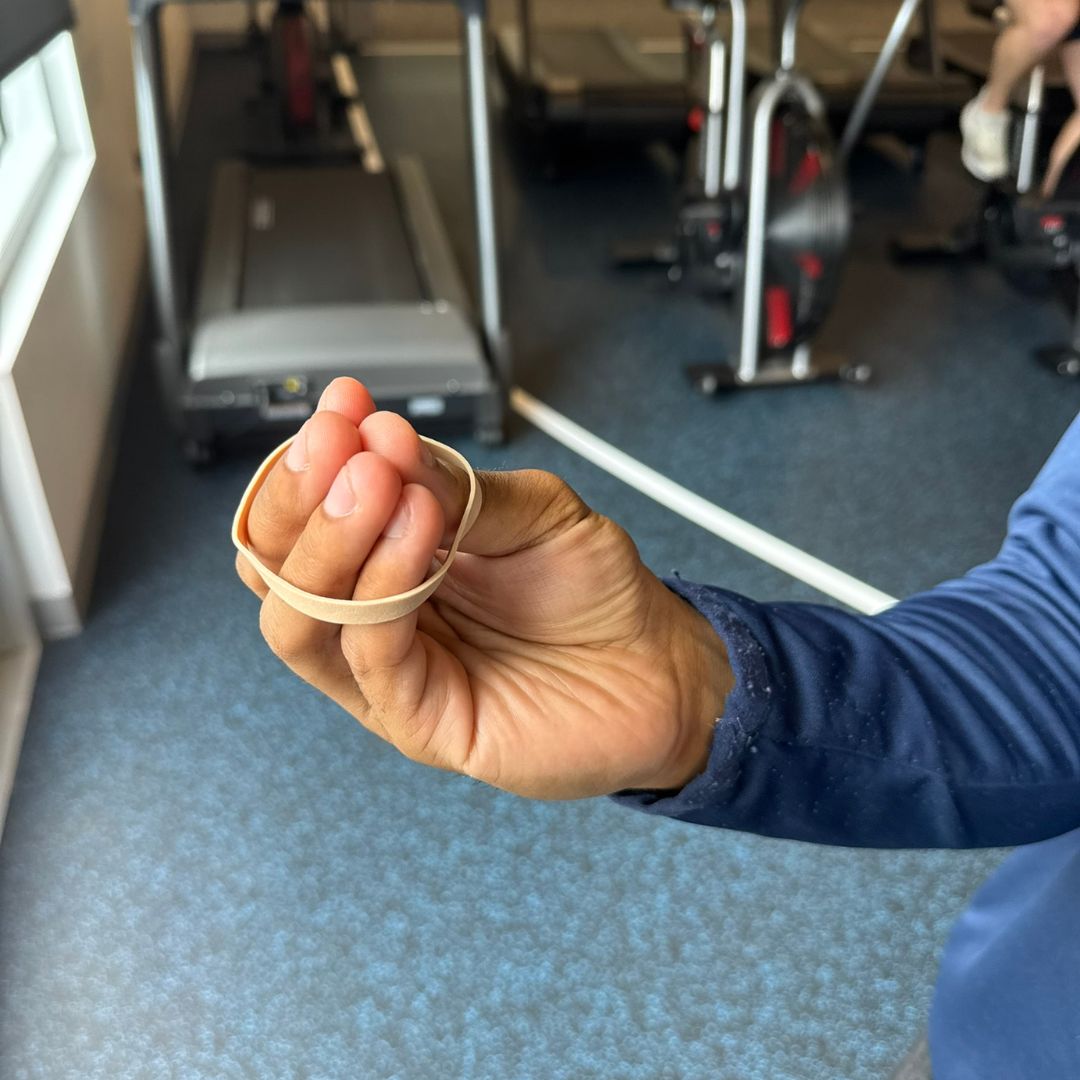
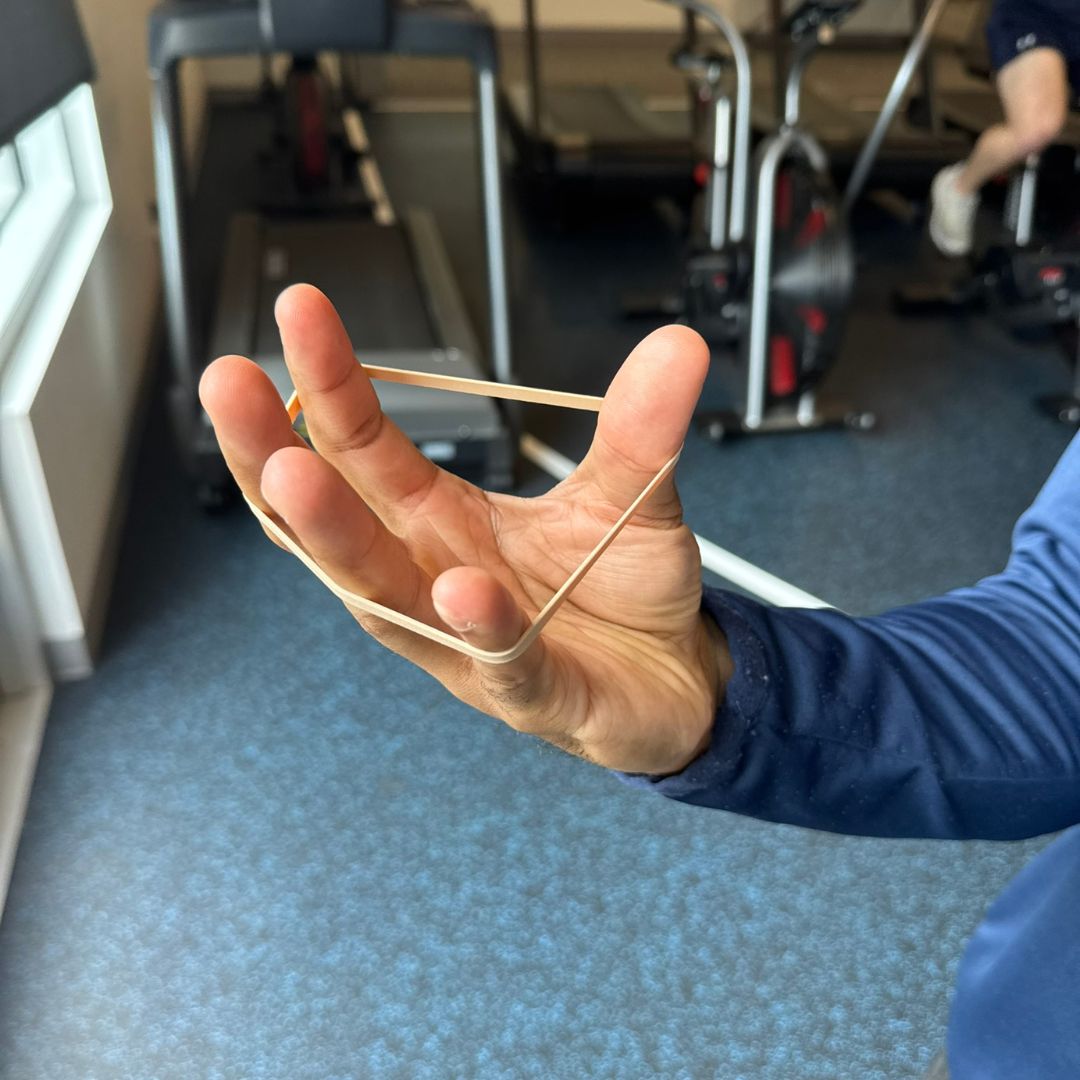
Finger Extensions
Place a rubber band around the outside of your fingers and extend the fingers to improve forearm strength and flexibility. This exercise targets the extensor muscles in the forearm and hand, which are often overlooked in favor of the flexor muscles (used for gripping).
Movement
- Place a rubber band around all five fingers.
- Open your fingers against the resistance of the rubber band, spreading them as wide as possible, and hold for 3-5 seconds.
- Slowly bring your fingers back to the starting position and repeat this movement 10-15 times.
Tips for Success
- Start with light resistance (e.g., a thin rubber band) and gradually increase as your strength improves.
- Perform the movements slowly and with control to avoid straining the fingers or wrist.
Best Warm-Ups for Golf
Adding golf stretching exercises into your routine is vital for maintaining flexibility and preventing injuries. Other common golf injuries include shoulder strain, wrist injuries, and lower back pain. Pre- and post-game stretching routines will reduce muscle stiffness. Focus on dynamic stretches that mimic the movements of golf before you play. Here are a few dynamic stretches that have been proven to reduce your injury risk:
Torso Twist: This dynamic movement engages the lower back, hips, and shoulders, making it an excellent exercise for improving rotational strength, flexibility, and stability.
Movement
- Stand firmly with your feet shoulder-width distance apart and spine straight.
- Rotate your torso to the right, twisting from the waist, and hold for 3-5 seconds.
- Return to the center, then rotate to the left.
- Perform 10-15 twists per side.
Tips for Success
- Avoid slouching or arching your back during the exercise.
- Engage your core muscles throughout the movement to protect your lower back.
- Perform the twists slowly and with control to avoid jerky movements.
- For extra resistance, hold a medicine ball or a dumbbell weight.
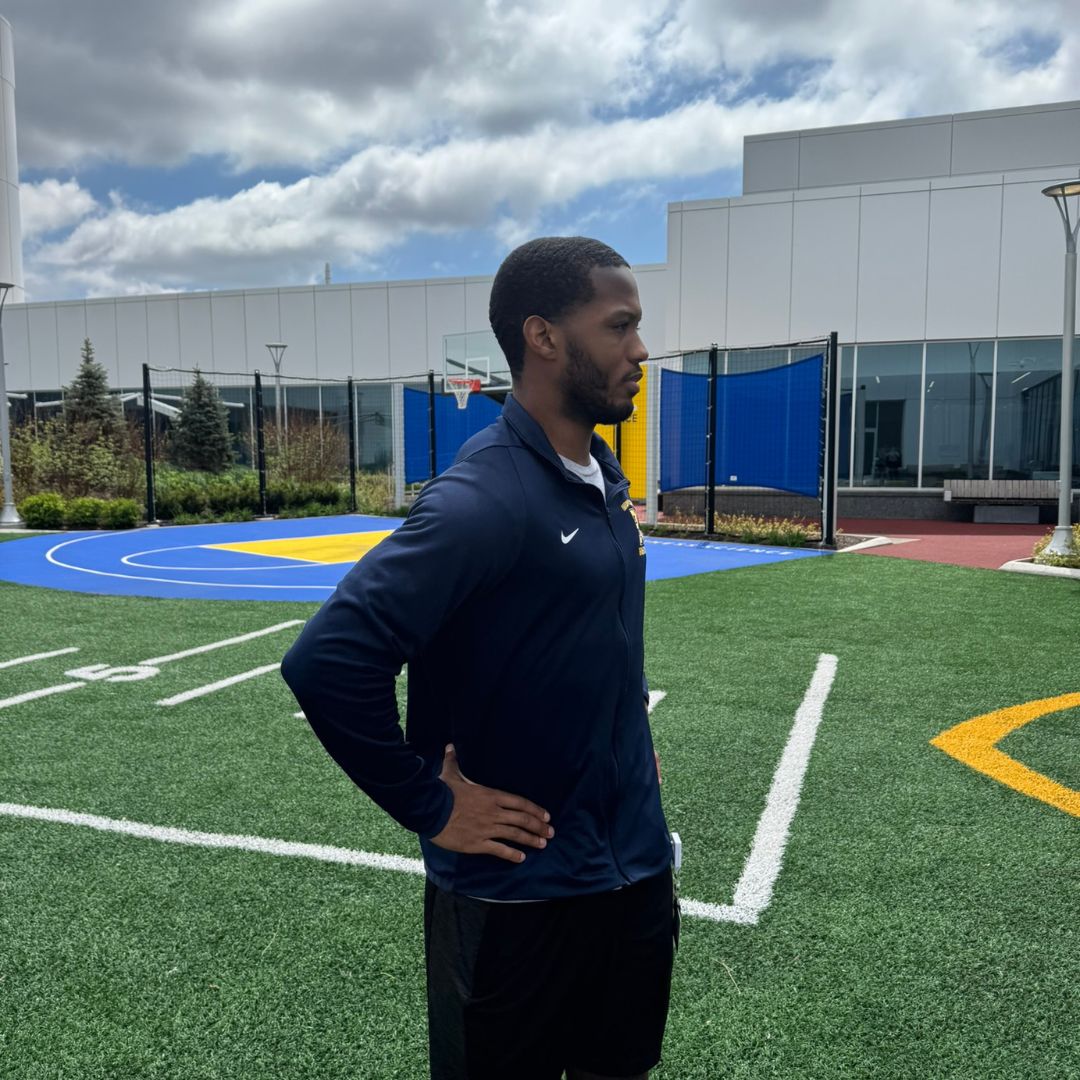

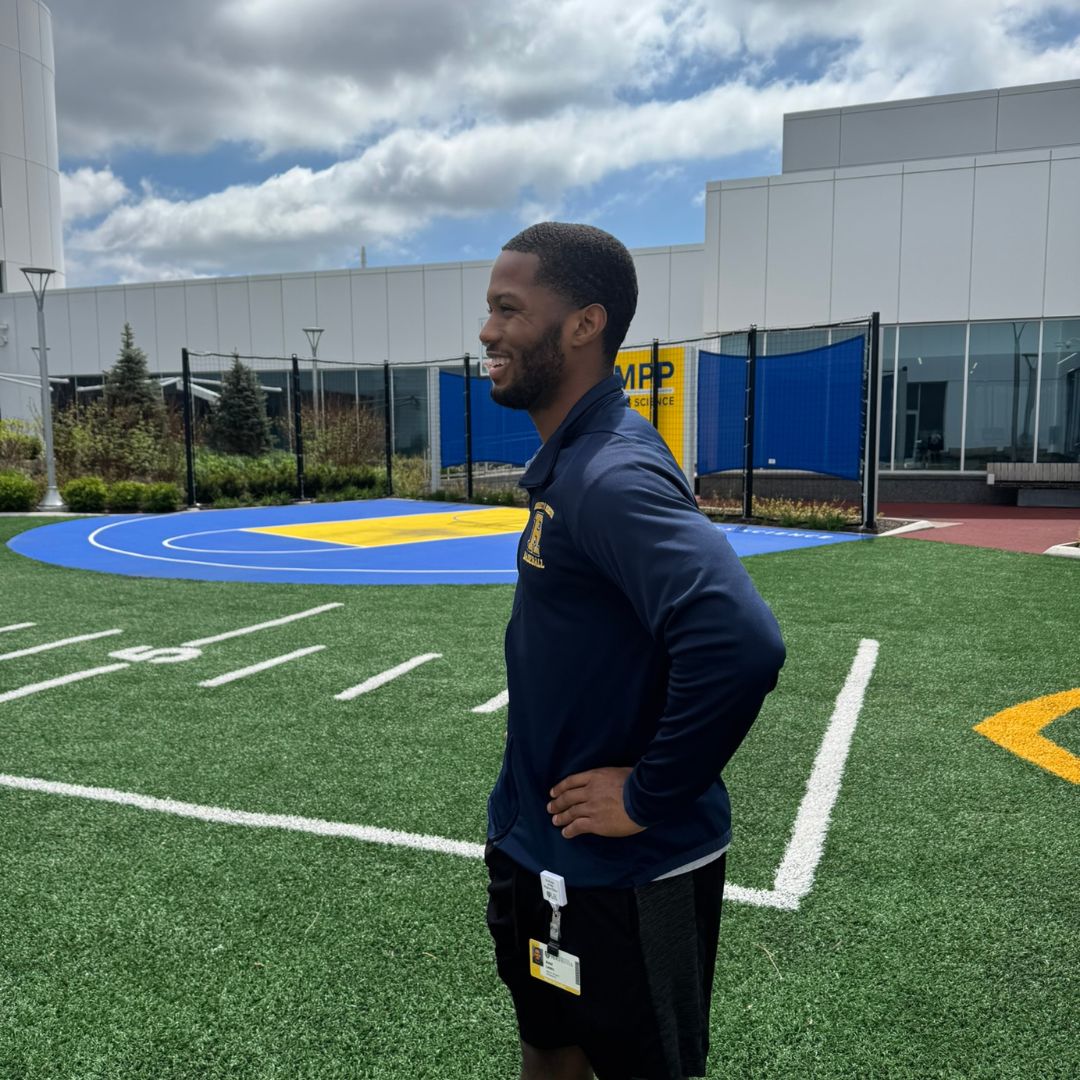
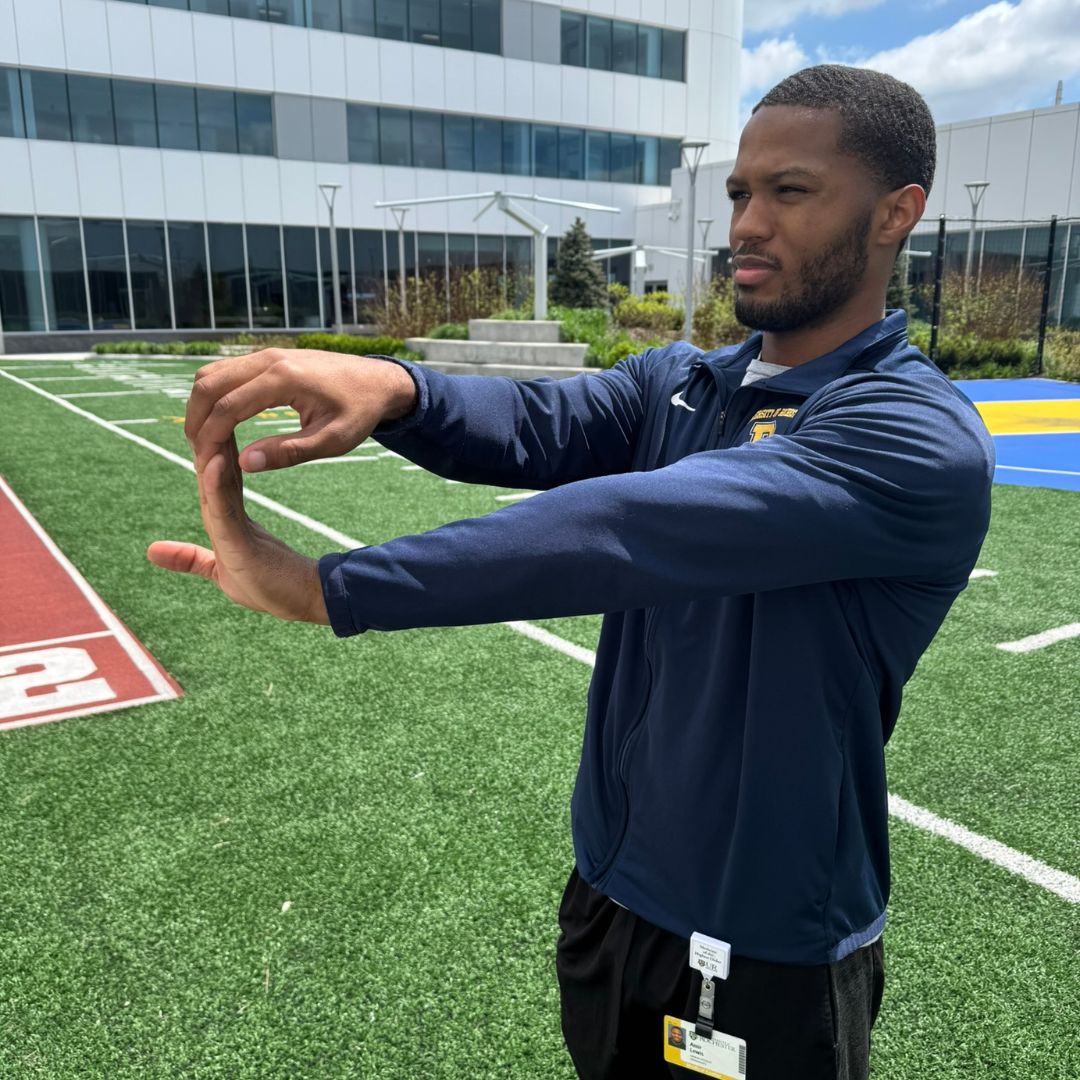
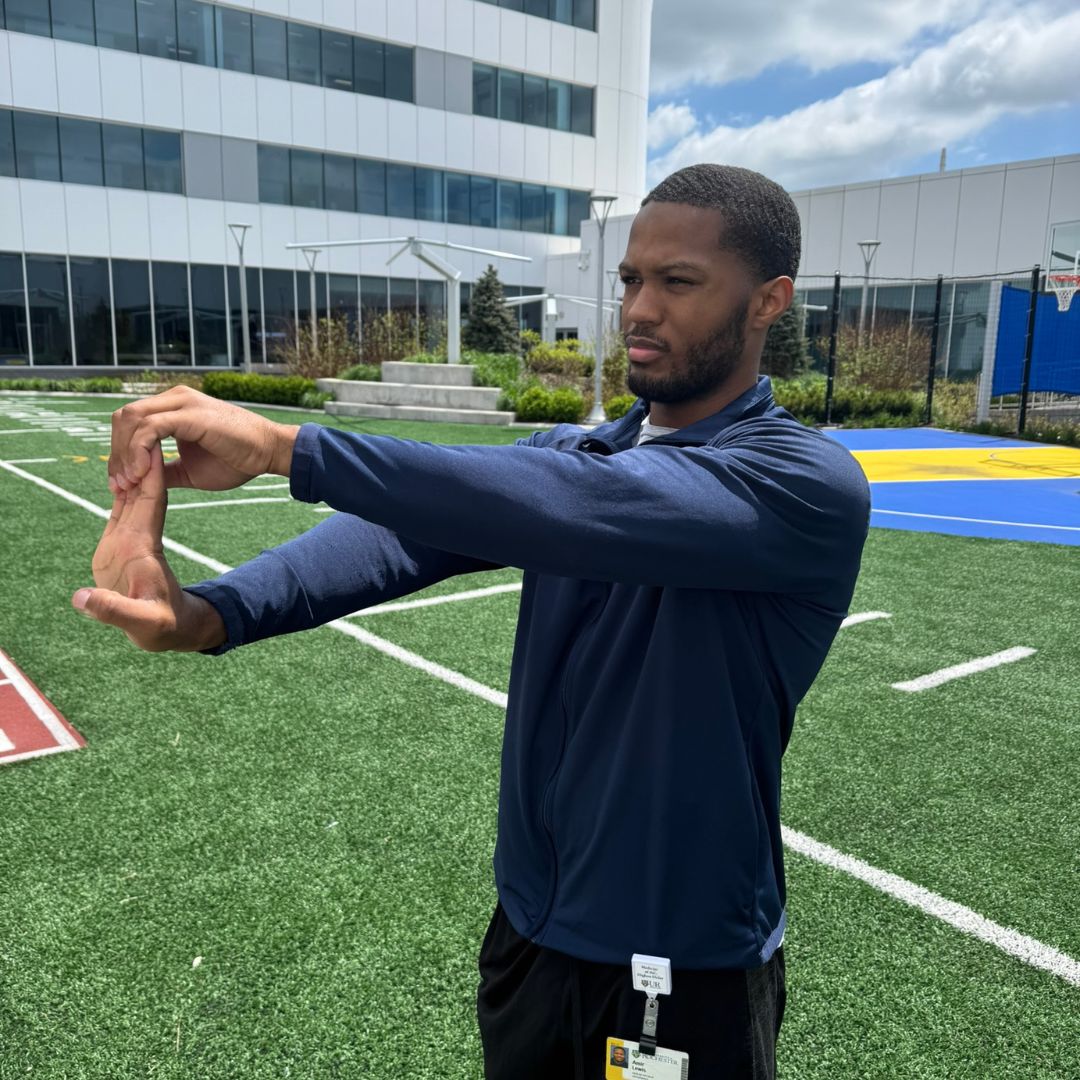
Movement
- Face one of your palms upward and extend that arm in front of you.
- Use your opposite hand to gently extend your fingers back toward your body.
- Hold stretch for 15-30 seconds and repeat on the other arm.
Tips for Success
- Perform stretches slowly and avoid forcing your wrist or fingers into uncomfortable positions.
- Keep your arm straight to ensure the stretch targets the forearm muscles effectively.
- Breathe deeply and relax during the stretch to maximize its benefits.
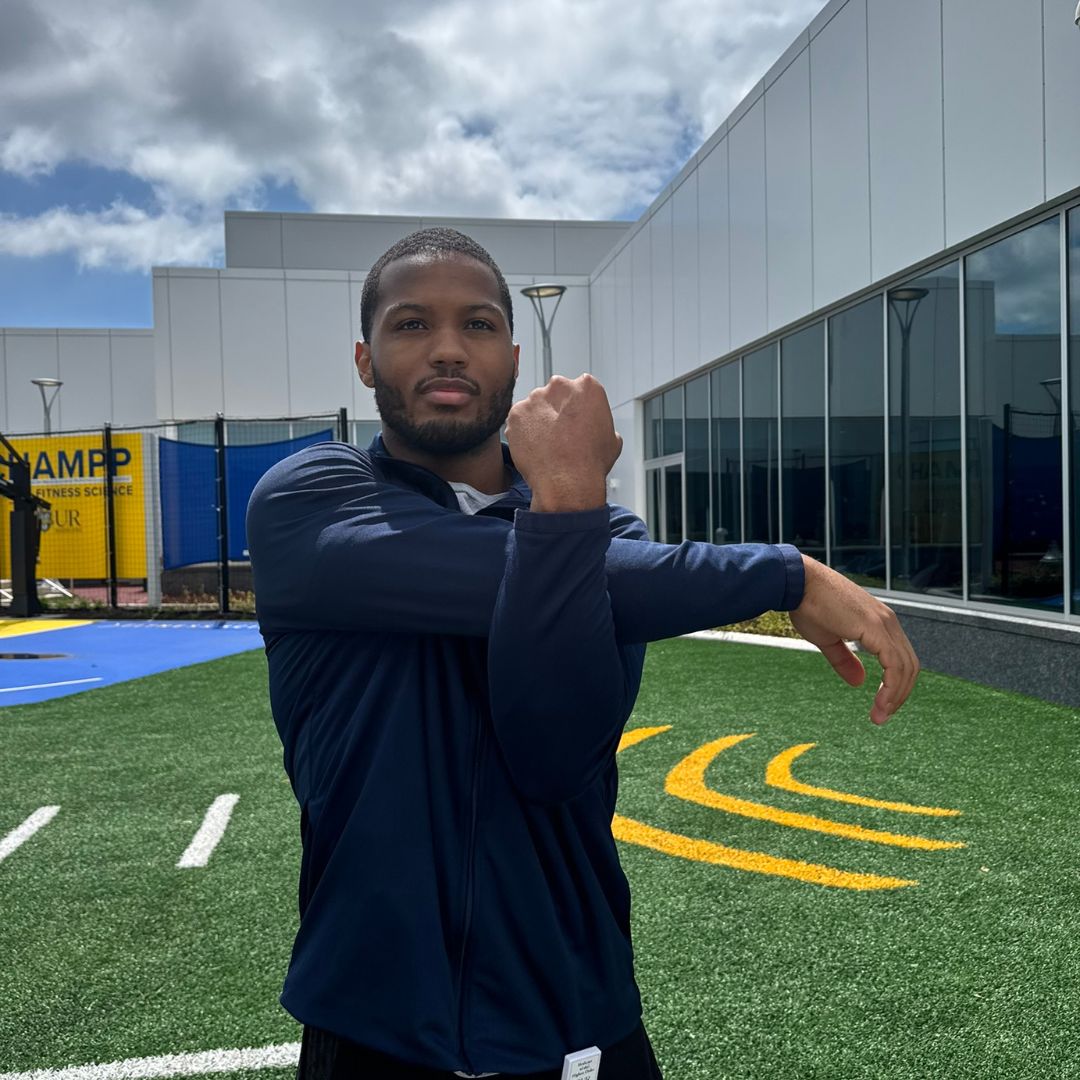
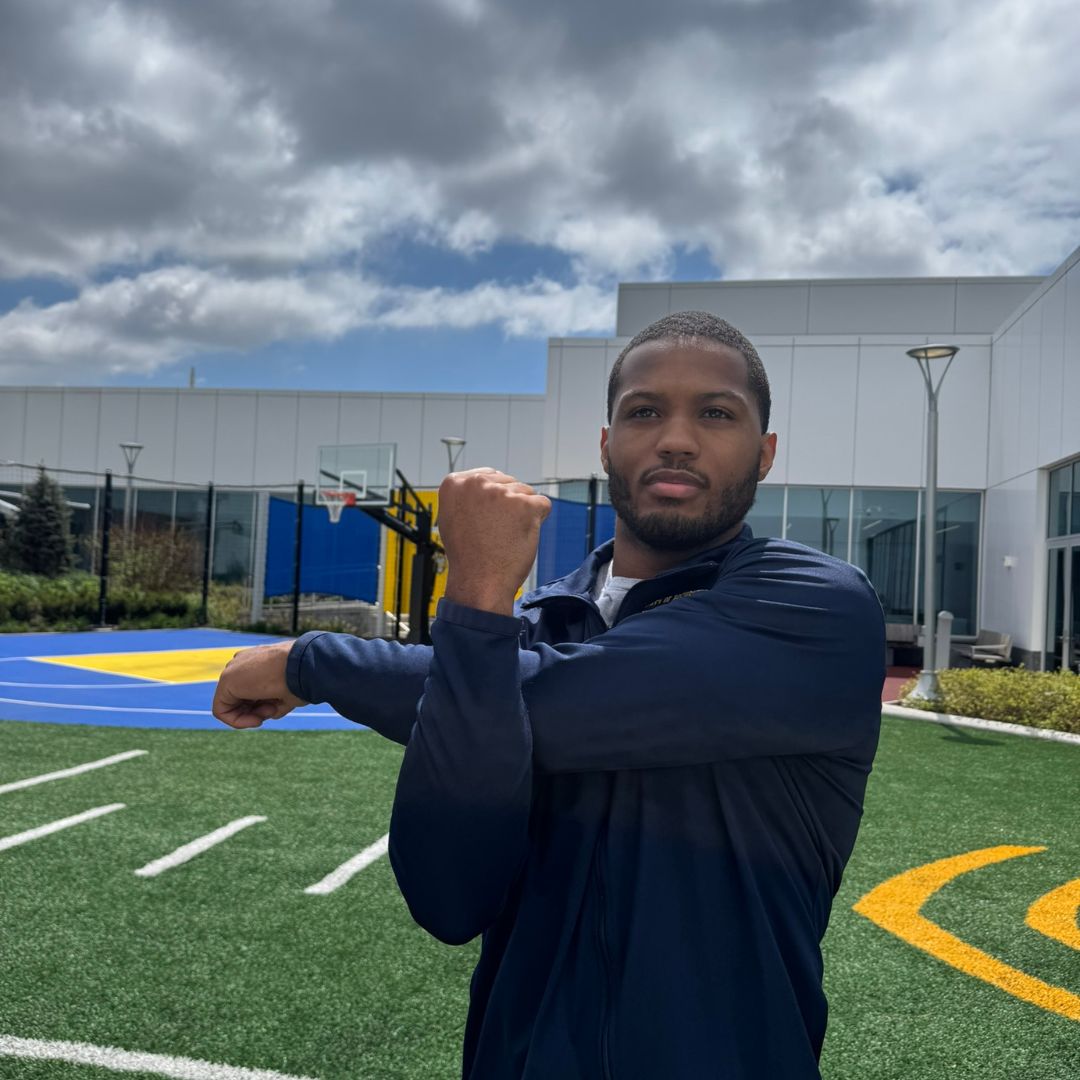
Movement
- Extend one arm across your chest.
- Use your other arm to hold that position for 15-30 seconds or gently pull the crossed arm closer to your body.
- Repeat on the opposite side.
Tips for Success
- Keep your back straight and avoid arching or rounding your spine during the stretch.
- Breathe deeply and relax during the stretch to maximize its benefits.
After you play, static stretches will relax the muscles and improve flexibility. Static stretching involves holding a stretch in a fixed position. These will increase the length of muscles and tendons, improving the range of motion in joints. This enhanced flexibility can make daily activities and physical movements easier and more efficient. To reduce any post-game soreness, drink water and practice static stretches like these:
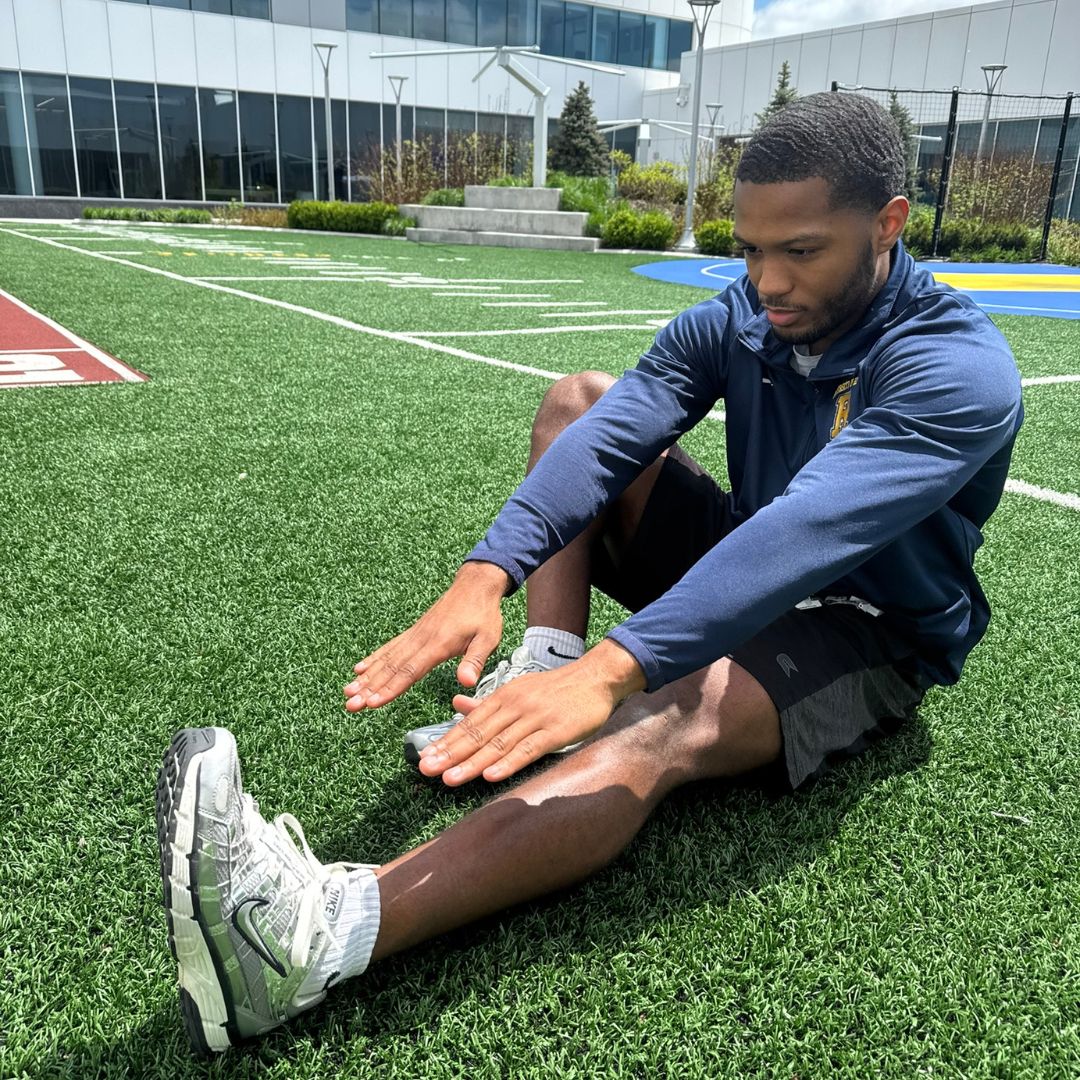
This stretch targets the hamstrings and lower back and is a great way to improve flexibility, enhance mobility, and engage the core muscles for better balance and coordination.
Movement
- Sit and extend one leg out and the opposite leg at rest.
- Sit up straight and reach with both arms towards your toes.
- Hold this position for at least 30 seconds and switch to the opposite leg.
Tips for Success
- Rotate your torso so that your upper body is facing your toes that you are stretching toward.
- Keep your leg straight but avoid locking your knees.
- Avoid excessive rounding of the spine by keeping your back straight.
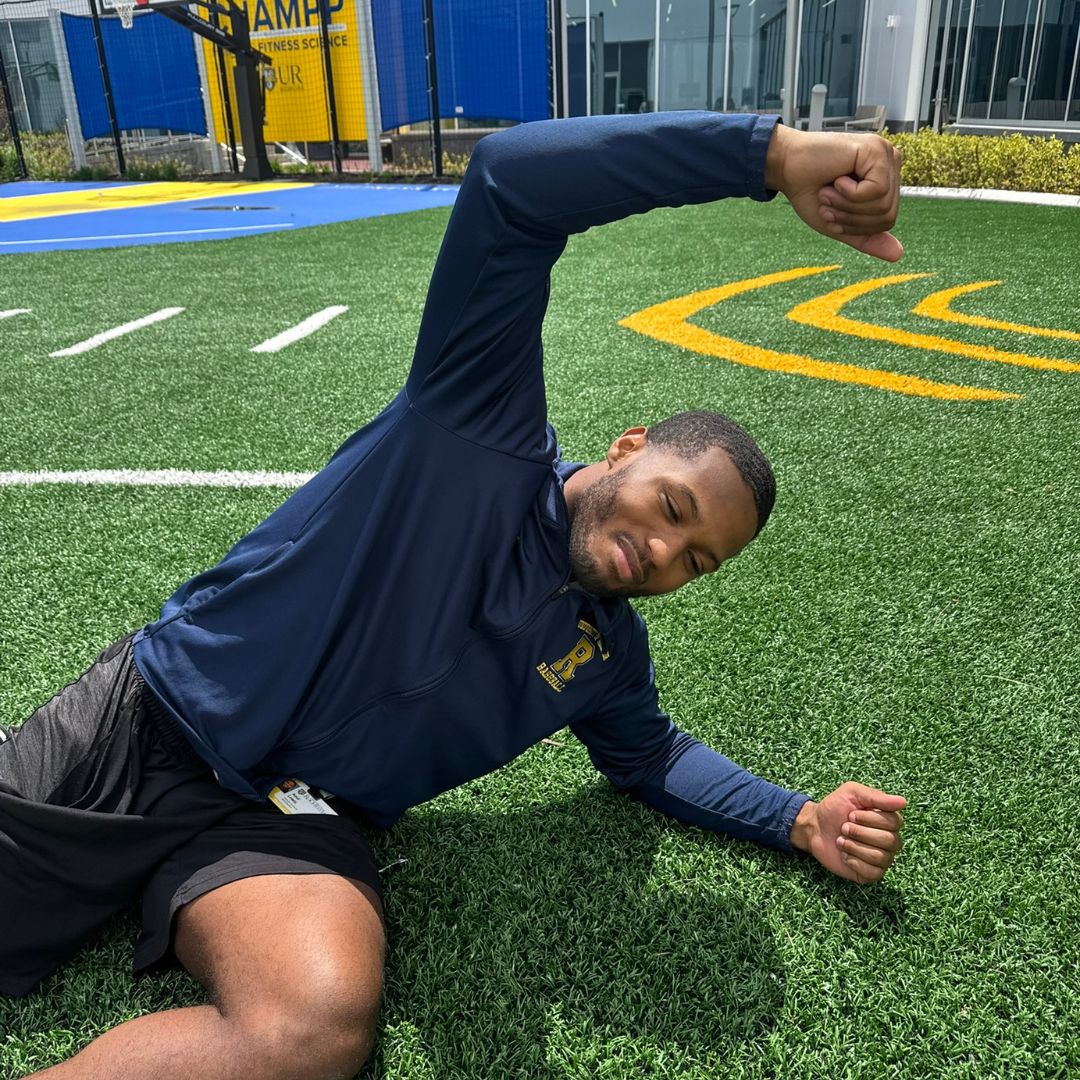
This exercise is designed to stretch and lengthen the muscles along the sides of the torso, including the obliques, intercostal muscles (between the ribs), and latissimus dorsi. It is called the "C-stretch" because the body forms a "C" shape during the movement. This stretch is particularly beneficial for improving flexibility, relieving tension in the sides and lower back, and enhancing posture. This can also be done standing near a wall to support yourself.
Movement
- Sit on the floor or a mat with your legs crossed or extended straight in front of you.
- Raise one arm overhead, keeping it straight, and lean to the opposite side.
- Allow your torso to curve into a "C" shape as you reach over your head.
- Place your other hand on the floor for support.
- Hold for 15-30 seconds, feeling the stretch along the side of your torso and back of stretched arm.
- Return to the starting upright seated position and repeat on the other side.
Tips for Success
- Keep your back straight and shoulders relaxed.
- Avoid collapsing forward or backward.
- Focus on creating a smooth “C” shape with your torso.
Movement
- Lie flat on your back.
- Bring both knees up towards the chest.
- Use your hands to gently pull both knees closer to your chest, wrapping your hands around your shins or behind your thighs.
- Hold for 15-30 seconds, breathing deeply, then lower both legs back to the floor.
Tips for Success
- Perform the stretch on a comfortable surface, such as a yoga mat or turf.
- Avoid pulling too forcefully.
- Keep your head and shoulders relaxed on the floor to avoid straining your neck.
- For individuals with limited flexibility, placing a strap behind the thigh can help assist the stretch.
UR Medicine Fitness Science
Helping people optimize their performance through an integrative approach that includes four crucial pillars: Strength Training, Nutrition, Sport Psychology and Data Analysis. Developed by doctors and experts who've treated and trained every level of performance, we help you "Master Your Movement."
Connect with us!



