

Journey to Confidence: Restoring a Smile and Changing a Life
Growing up, Jennifer Smith had sparse and patchy hair, she didn’t perspire normally, and she was missing nine permanent teeth. The teeth she did have were misshapen and jagged.
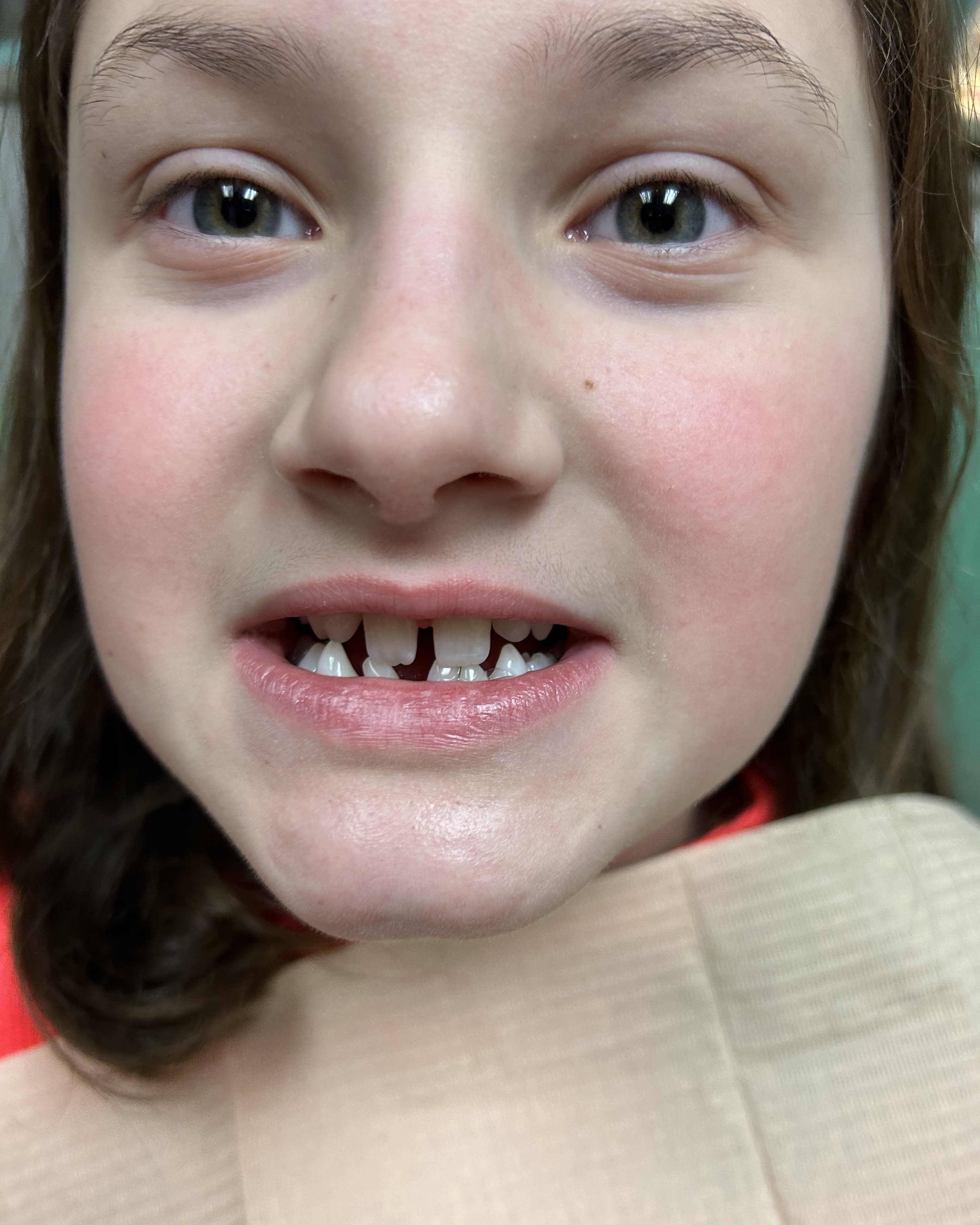
These are common characteristics of ectodermal dysplasia; a genetic condition that affects one’s skin, hair, nails, teeth and sweat glands. People are born with it, but isn’t diagnosed until early childhood when symptoms start to appear. Both symptoms and severity vary widely depending on the specific type and affected genes.
As a teen, Jennifer was teased a lot. She didn’t smile. Her parents struggled to pay the hefty dental bills and sought help for years without success. Insurance wouldn’t cover it because it was deemed cosmetic. Jennifer’s mother reached out to various foundations and medical groups. She advocated tirelessly, wrote dozens of letters and even hired a lawyer to help. All her efforts were futile.
Years later, when Jennifer married and became pregnant, those difficult teen years haunted her.
“I was so worried, because I knew there was a 50-50 chance of passing it on to my child,” said Jennifer, a service representative at West Herr in Buffalo, NY. Her worry escalated when daughter Natalie’s bottom two baby teeth didn’t come in, but encouraged when several other baby teeth did.
At age five, Natalie was finally old enough to get a panoramic x-ray that would reveal if she had ectodermal dysplasia or not.
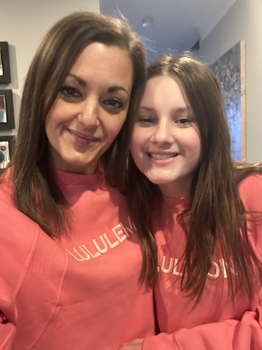
“I just started crying,” Jennifer recalled. Natalie was missing 20 permanent teeth.
Natalie’s symptoms matched her mom’s--patchy hair, an inability to sweat, and jagged, misshapen teeth. When she played sports, she quickly became overheated, breaking out in hives and welts because she couldn’t sweat.
“As she grew, all her peers were getting their permanent teeth, but Natalie’s teeth were razor sharp little pegs,” Jennifer said. “At age 11, Natalie was extremely self-conscious and never smiled. It clearly affected her self-esteem. My heart broke for her.”
Unable to locate any dentists in her area who knew anything about ectodermal dysplasia, Jennifer was at her wit’s end.
“One day, I was panicking,” she said, recalling her own mother’s fruitless efforts for help. “At this point, I’ve reached out to everyone. A generation later and still, no one knows what this is. I remember I was laying down when I asked God to help me because I didn’t know what else to do or where to go.”
Later that day, she Googled ‘ectodermal dysplasia dentist.’ The search revealed the National Foundation for Ectodermal Dysplasias, which, among other resources, lists dentists throughout the United States who specialize in the condition. She couldn’t believe her eyes. With less than 20 participating dental centers throughout the whole country, there was a specialist just an hour away in Rochester, NY.
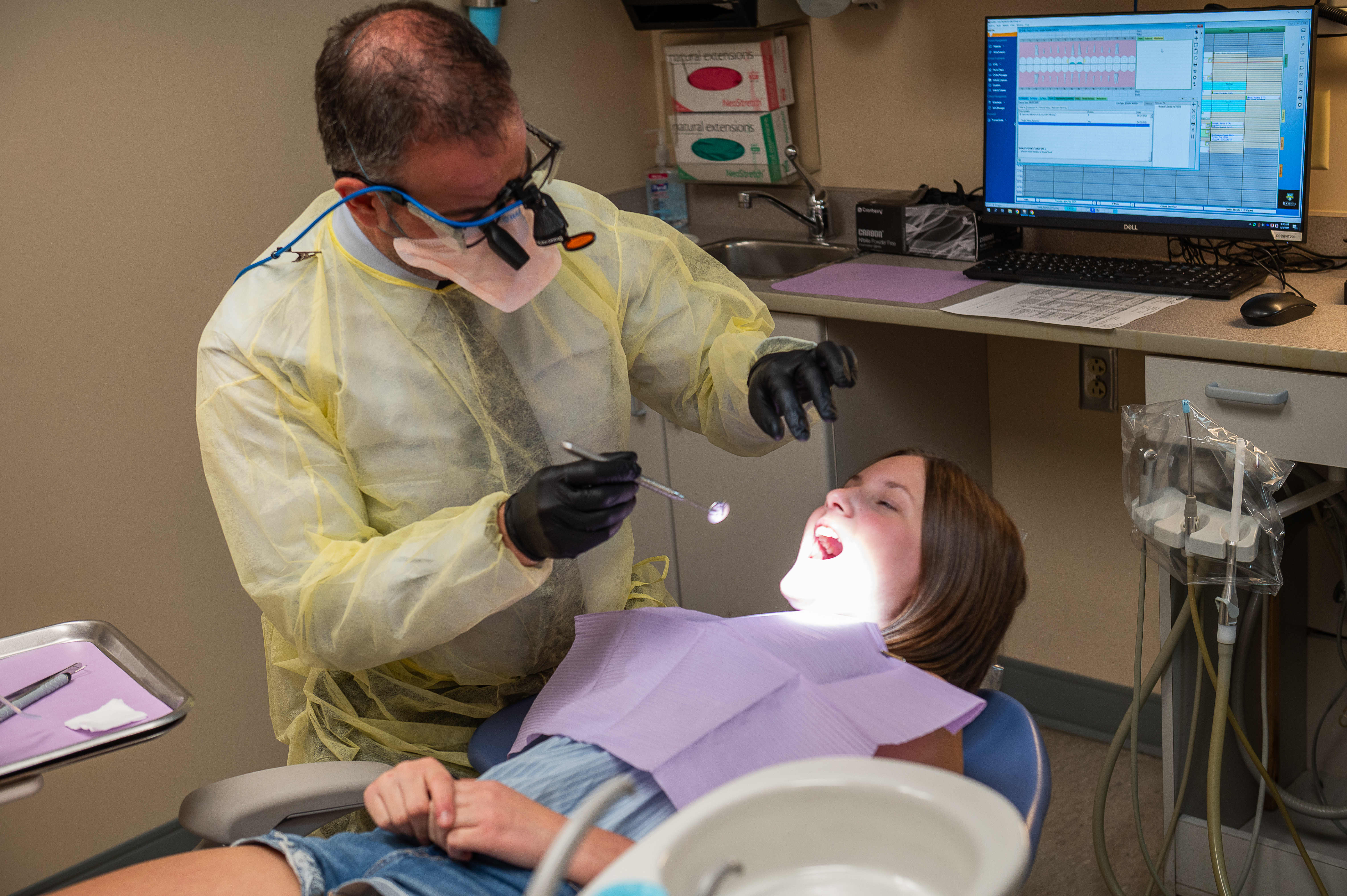
A few weeks later, she and Natalie had a consultation with Dr. Konstantinos Chochlidakis, an Eastman Institute for Oral Health prosthodontist.
“Dr. K is an angel!” she said. “He was so awesome, so caring, so kind. He understood exactly what needed to be done and told us ‘we’re going to give Natalie a smile until she can get her permanents.’”
“When the patient is still growing, he or she needs ongoing care and monitoring until they reach adulthood,” Dr. Chochlidakis, who has successfully treated several ectodermal dysplasia cases for children, teens and adults. “While young, patients usually require temporary restorations to enhance their smile, and orthodontic treatment to correct alignment and prepare them for future treatment with dental implants.”
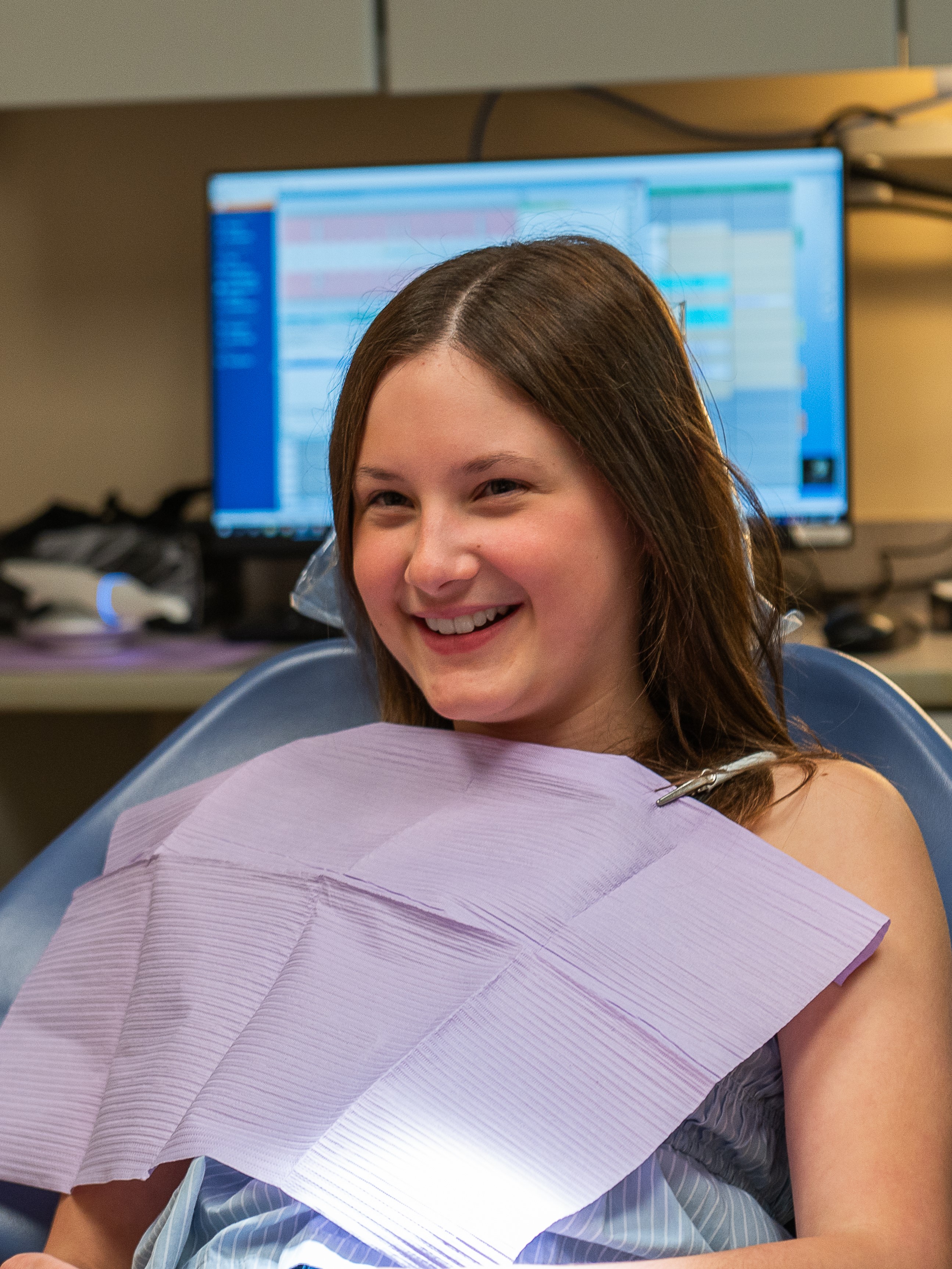
Dr. Chochlidakis placed six ceramic veneers over Natalie’s two upper adult and four baby teeth to make them look more natural. On the bottom, Natalie will receive orthodontia treatment to position her adult teeth correctly for future implant restoration to fill the gaps caused by the missing and baby teeth.
“I can’t say enough for what he has done for Natalie,” Jennifer said. “Her confidence and self-esteem have skyrocketed.
“Not only do you eat with your teeth, but that’s what everybody looks at,” she continued. “Your smile is so important.”
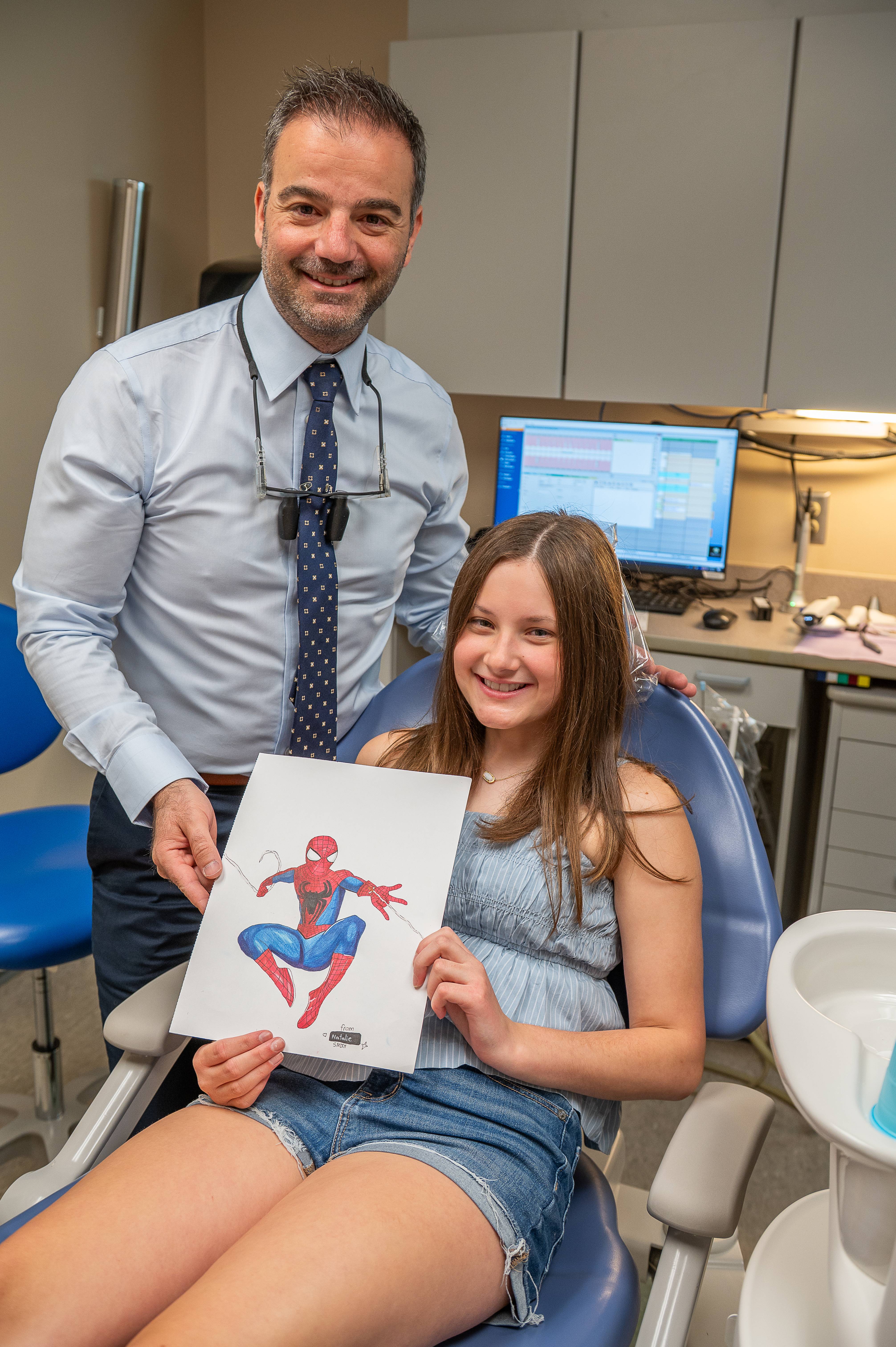
Natalie was so excited to get her new smile. “I felt better about how I looked, and it made me feel so bold,” Natalie said with a big smile. “It changed how I start my day.”
To express her gratitude, Natalie, now 12 years old, gifted Dr. Chochlidakis a drawing she did of his favorite superhero—Spiderman.
Aside from function and aesthetics, Natalie’s dental treatment proved to help in a different area of Natalie’s life. Since her treatment, Natalie now plays first-chair flute in her school’s band and earned a spot in the top 10 Erie County’s music orchestra.
“As prosthodontists, our primary goal is to enhance one’s quality of life by restoring smiles and oral function,” Dr. Chochlidakis said. “It is immensely gratifying to witness the positive impact our patients experience. But especially in young patients, it’s profoundly rewarding, considering the apprehension and discomfort children may experience socially during their formative years.”
“Without a doubt, he’s an angel and an answer to prayer,” Jennifer said. “It’s hard to put into words how grateful we are.”
Author
