

Breast Cancer Prevention: How Nurse Practitioners and Physician Assistants Can Help
For women at higher risk of breast cancer, there is a proven way to cut the risk in half: take an anti-cancer drug such as tamoxifen.
But this approach is more complicated than it sounds. Many women fear these drugs, which target estrogen production, for their reported side effects, such as hot flashes and joint pain. Deciding to go on long-term preventative care can also be an emotional challenge.
A University of Rochester Wilmot Cancer Institute study suggests that a relatively new approach may be the secret to boosting the use of preventive therapies for breast cancer. It calls for leadership by nurse practitioners and physician assistants —known as advanced practice providers (APPs)—in concert with breast surgery and oncology physicians.
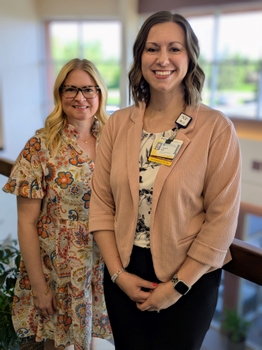
Kathleen Fitzpatrick, of Pittsford, mulled over preventative treatment with Wilmot nurse practitioner Crystal Regis. “Initially, I said: ‘I’m not doing this,’” Fitzpatrick said. “But then I thought about it. If it were my husband, I’d want him to do it, and I realized he probably wants me to take it, too.”
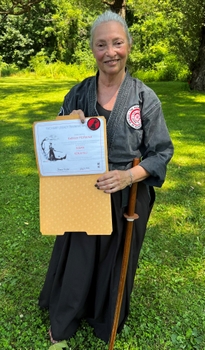
Fitzpatrick and Regis discussed several options and decided that a lower dose of tamoxifen for three years was a good compromise. Fitzpatrick would gain benefits while minimizing side effects to treat her stage 0 breast cancer.
“I really wanted to preserve as much capacity in this decade as I could,” said the 71-year-old martial artist who has a second-degree black belt. Being an active person, she was concerned about slowing down due to side effects like achy joints. However, after a year on low-dose tamoxifen, she is feeling well.
This interaction between the patient and her nurse practitioner is a fitting example of an alternative to the classic model of care, where typically an oncologist prescribes the risk-reduction drugs, said Anna Weiss, MD, senior author of the study and director of the Pluta Comprehensive Breast Program at Wilmot.
“Patients see APPs as ‘people like them,’ and not as a doctor who also gives chemotherapy,” Weiss said. “And APPs are trained with the medical oncologists, so the patients are getting the best of everything: a relatable person and a highly skilled provider.”
Inside the APP-run Breast Health Clinic at Wilmot
Weiss established a specialized APP-run clinic in 2023. Regis and physician assistant Katie Bates are the primary healthcare providers at the clinic and co-authored the prevention study, which was published in Annals of Surgical Oncology.
The team analyzed data from more than 500 patients who were considering preventative breast cancer treatment. All women had either stage 0 breast cancer (known as DCIS or ductal carcinoma in situ) or a strong risk of invasive breast cancer. The data included patients seen by APPs at the clinic or medical doctors in the years prior to the clinic’s opening.
The results:
- 40% of patients were prescribed risk-reduction treatments by the current APPs.
- 31% of patients were prescribed risk-reduction treatments by medical oncologists.
The important message, Weiss said, is not which group achieved the higher usage of preventive medications—but that the two models are comparable and that an APP clinic allows for high quality, cost-effective care.
A Regional First
The APP-run breast health program at Wilmot is the first of its kind in the Rochester area. Inspired by a similar clinic at Dana-Farber Cancer Institute in Boston, Weiss adapted the model to serve local women with early-stage breast cancer or other breast health concerns—including a strong family history, dense breast tissue, newly discovered lumps, or prior chest radiation exposure.
These types of breast health clinics are valuable for providers as well as patients. They allow medical oncologists, with growing demands on their time, to focus on individuals with more aggressive cancers.
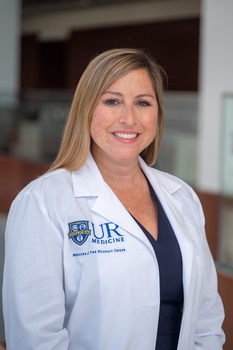
“Thankfully, women with breast cancer are living much longer, but as survivorship increases there are still many needs that must be met outside of the immediate care and treatment given at diagnosis,” Weiss said. “This clinic model should be considered more broadly.”
What is Stage 0 Breast Cancer?
Also known as ductal carcinoma in situ (DCIS), stage 0 breast cancer is an early form of cancer where cancer cells are confined to the breast ducts. It has a nearly 100% survival rate, according to Weiss, but it increases a woman’s risk of future invasive breast cancer.
Since 2010, about one in four newly diagnosed breast cancers were DCIS.
To prevent DCIS from evolving, experts recommend:
- In most cases, surgery
- Regular imaging
- Medications
Researchers have not yet discovered biomarkers that predict which DCIS cases are likely to become invasive breast cancer. Until then, prevention is best, Weiss emphasized.
Medications to prevent breast cancer include:
- Estrogen modulators
- Tamoxifen
- Raloxifene
- Aromatase inhibitors (AIs)
- Anastrozole
- Letrozole
- Exemestane
Breast Health Program
An estimated 10 million women in the U.S. could benefit from these drugs, but only about five percent currently take them. Learn more about the breast health program.
Author
