

What’s the difference between seeing a physician, PA, and NP?
Today, you’re more likely than ever to be treated by a nurse practitioner (NP) or physician assistant (PA). If you’ve been to your primary care office or an urgent care recently, you’ve probably met an NP or PA already.
But what does that mean, exactly? Physicians, PAs, and NPs bring various approaches and training to healthcare teams, but all can have a key role in providing care.
Physicians undergo years of expansive education and supervised residency training, allowing them to deliver the most complex care. But PAs and NPs are also highly educated and trained to deliver safe, effective, and compassionate care.
“Together, NPs, PAs, and physicians bring distinct but complementary perspectives to healthcare delivery,” explains Laura Paytash, DNP, APRN, a family nurse practitioner and assistant professor of clinical nursing at the University of Rochester School of Nursing.
Together, NPs, PAs, and MDs bring distinct but complementary perspectives to healthcare delivery.
“Providers’ collaboration enhances access, continuity, and quality of care for patients across diverse settings,” said Paytash, who previously practiced in UR Medicine Urgent Care settings for more than a decade.
What is a nurse practitioner?
Nurse practitioners are registered nurses who have advanced their education through master’s or doctoral-level training.
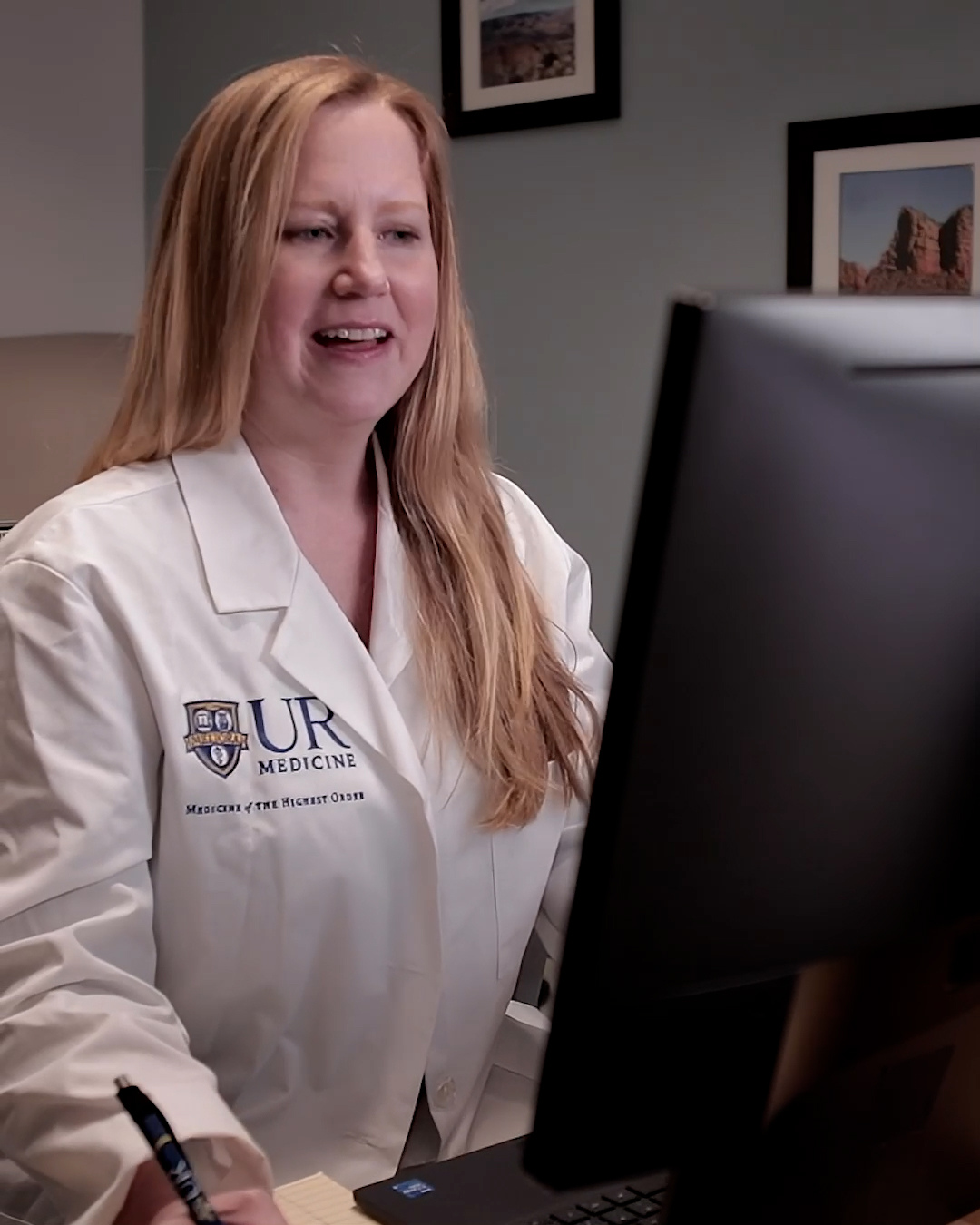
They typically specialize in working with specific populations such as children, families, or older adults. According to Paytash, education for both nurses and NPs emphasizes a “whole-person” approach to care.
“NPs integrate clinical expertise with a holistic approach, collaborating with patients to develop individualized, evidence-based care plans that address not only the illness but the broader context of the patient’s life and health goals,” she explained.
“The bedside experiences we bring to our advanced roles ground our approach in patient-centered care.”
They also have full-practice authority in 28 states, meaning they can independently assess, diagnose, order, and interpret diagnostic tests; prescribe medications, and open their own independent practices.
What is a PA?
Physician assistants are master’s degree-prepared providers who are licensed to provide many of the same clinical services as physicians in primary care. They are educated in the medical model and train alongside physicians, typically completing a two-year master’s degree program and more than 2,000 clinical hours. The medical model prepares clinicians to focus primarily on identifying and managing illnesses. Some may also continue their education at the doctoral level, pursuing pathways in leadership, education, research, or advanced clinical practice.
While NPs can open independent practices in several states, most PAs work under the supervision of a physician. That is the case in New York, but a growing number of states are beginning to move away from supervisory requirements, allowing PAs more flexibility on healthcare teams.
PAs can be found in every healthcare setting and medical specialty, including surgery, dermatology, emergency medicine, orthopedics, and several others.
What do “APPs” do? What is their role as part of a bigger healthcare team?
Together, non-physician providers are often referred to as advanced practice providers, or APPs. Integrating APPs into care allows for patients to be seen in a timely manner and helps to better distribute providers’ workload, especially in rural healthcare settings, where primary care and specialty offices often face workforce shortages.

“In short, APPs help ensure the right care, at the right time, by the right provider,” said Cheryl Lustik, DNP, RN, director of advanced practice at URMC’s Sovie Center for Advanced Practice. “Their presence enhances access to care, supports team-based approaches, and helps improve patient outcomes.”
Here are some of the most common responsibilities:
- Performing physical exams
- Diagnosing and treating acute and chronic illnesses
- Prescribing medications
- Ordering, performing, and interpreting tests such as lab work and x-rays
- Educating and counseling patients
“We’ve all been trained by accredited, respected programs and have gone through rigorous on-the-job training,” said Laura Converse, PA-C, primary care APP lead at UR Medicine and a practicing PA at Panorama Internal Medicine.
“It’s also important to understand that we’re a team,” Converse added. “Providers, RNs, and care managers all work together. If there’s a situation where I don’t know the answer, I know where to turn for support and ensure that our patients receive high-level care.”
Physicians, PAs, and NPs all can serve as primary care providers (PCPs). Look for these qualities when choosing a PCP:
- Strong communication skills: They listen attentively, explain clearly in a way you understand, involve you in decisions, and encourage you to ask questions.
- Clinical expertise and sound judgment: They stay up-to-date on the latest research and knowledge and make informed recommendations.
- Compassion and empathy: They treat patients with kindness, understanding, and respect.
- Teamwork and collaboration: They work well within interdisciplinary teams to coordinate care effectively.
- Respect for patient autonomy: They support their patients’ values, preferences, and cultural backgrounds.
Ultimately, a good provider is someone who makes you feel heard, respected, and confident in the care you’re receiving.
“Whether it's a physician, NP, or PA, patients should look for providers who build trust, communicate openly, and are committed to their well-being,” Lustik said.
Get Care Now
When you need medical attention, knowing where to go for healthcare can help you save time—and help assure you'll get the care you need. You may choose care from your primary care provider, a video visit, urgent care, or emergency room, depending on your situation. Here are tips to help you choose where to go for care.
Connect with us!




