

How to Ski Smarter: Staying Safe on the Slopes
Key Takeaways
- Stay within your skill level. Sports medicine experts say choosing terrain that matches your experience lowers the risk of falls and collisions.
- Prepare your body before you ski. Building leg strength, core stability, flexibility, and warming up can help prevent common ski and snowboard injuries.
- Use properly fitted gear. Orthopaedic specialists recommend well-fitting boots, professionally adjusted bindings, and a certified helmet.
- Know when to rest. Fatigue affects balance and reaction time.
Heading to the slopes this winter? Whether you’re skiing or snowboarding, taking a few safety precautions can help prevent injuries and keep you enjoying the season.
Learn how to avoid injury and stay safe on the slopes from UR Medicine's Sandeep Mannava, MD, an orthopaedic surgeon serving on the 2026 Winter Olympics volunteer medical pool for the US Ski and Snowboard team.
Ski to your skill level
- Choose trails that match your experience level
- Consider lessons or guided tours if you're a beginner or new to a mountain
- Adjust based on weather, snow conditions, and visibility
Warm up and build strength before you ski
Skiing and snowboarding are demanding sports. Exercise and stretching can improve your strength and reduce the risk of injury. Focus on:
- Leg strength: quads, hamstrings, and calves
- Upper-body strength: shoulders, arms
- Core strength
- Flexibility
- Low-impact cardio: elliptical, brisk walks, or biking
When you’re ready to ski, go for a warm-up run or walk on an easy slope at the beginning of the day.
Check your ski and snowboard gear
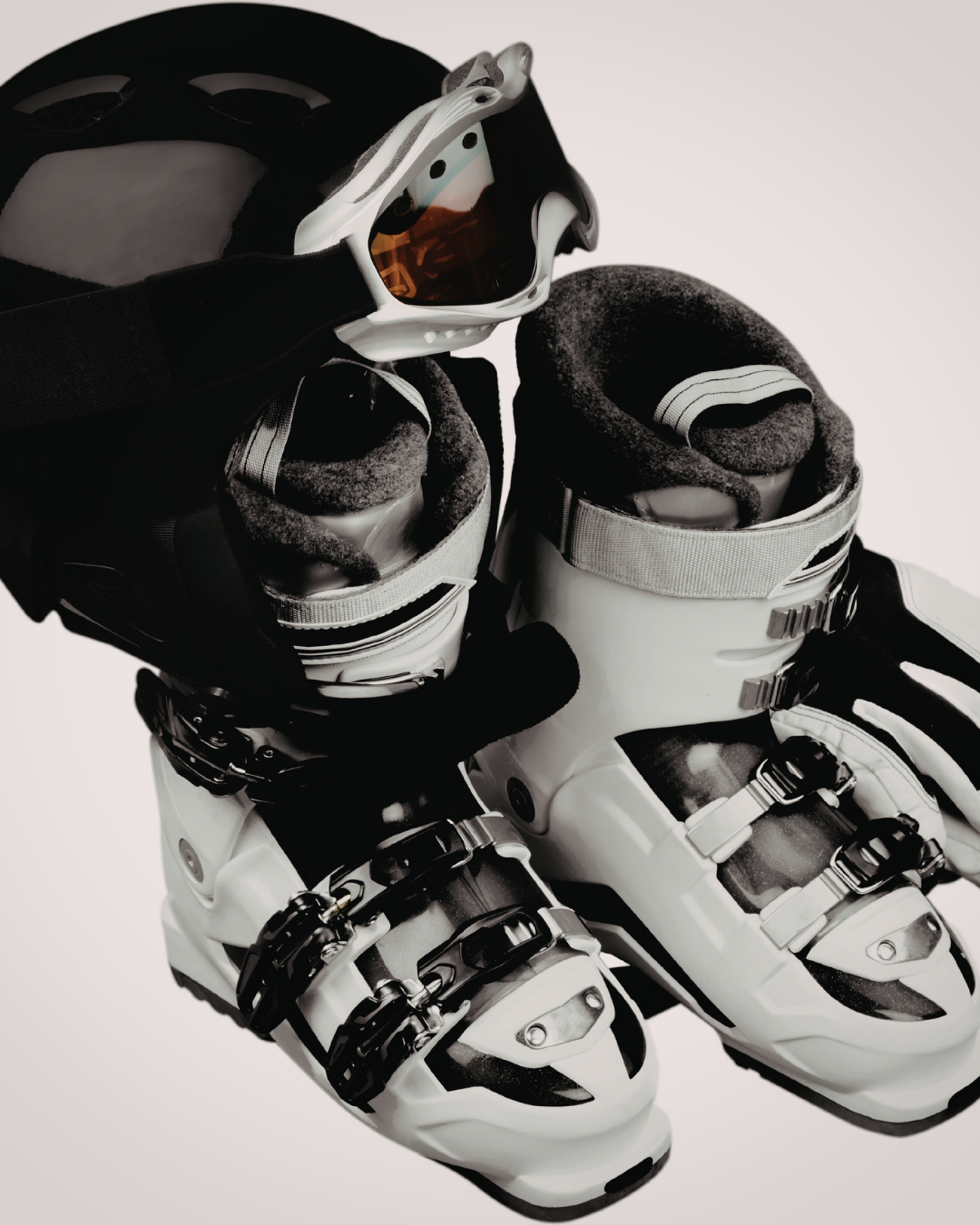
Poor equipment quality or improper fit can lead to injury.
- Make sure ski boots fit snugly without cutting off circulation
- Have the bindings inspected and adjusted by a professional
- Always wear a properly fitted ski helmet
- Use helmet liners or hats designed for cold weather
Modern ski and snowboard technology has made winter sports safer than ever, but only if your gear fits and functions correctly.
Dress safely for cold conditions
Wear appropriate clothing and protect your skin and eyes.
- Wear wind- and water-resistant clothing
- Dress in layers
- Choose clothing cuffed at the ankles and wrists
- Wear gloves or mitts
- Wear goggles or other eye protection
- Don't skip the sunscreen
Scope out the slopes
Know the conditions where you’re skiing; they can change quickly depending on temperature, sun, and wind, and how much use the trail gets from other skiers.
Always be aware of the conditions and terrain, and be able to change directions or stop when needed.
Watch out for other skiers and snowboarders
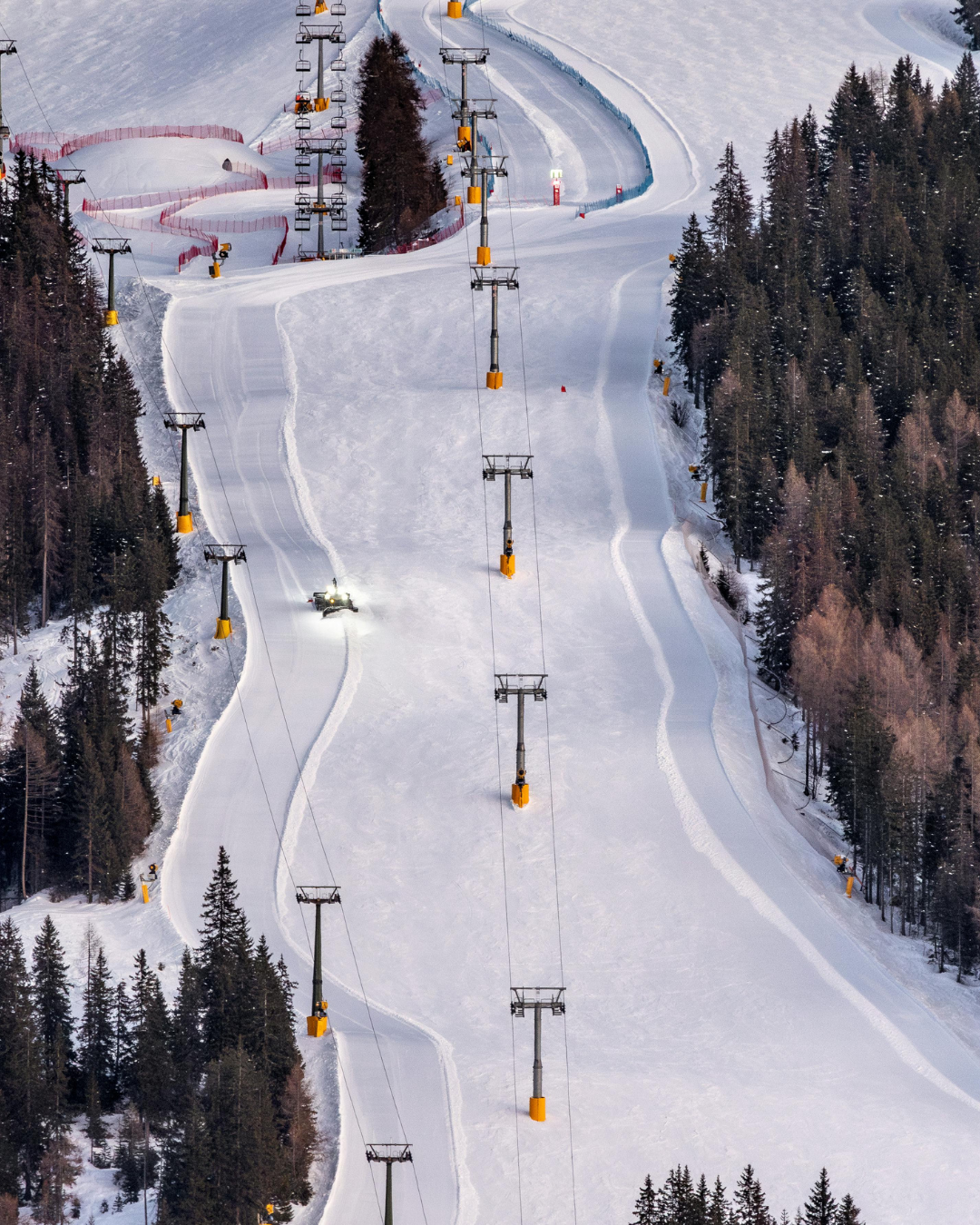
Think of a snow slope as a highway.
- Watch for other skiers around you to avoid a collision.
- Be aware of others using the slopes
- Don’t get distracted by electronic devices or wear headphones.
- When you do need a break, stop in an area that is out of the main flow of the skiing terrain and visible to other skiers and snowboarders.
Stay hydrated
Skiing and snowboarding are rigorous physical activities that require adequate hydration with water or sports drinks. Avoid alcohol or caffeine, which can dehydrate you.
Stop or take a break when you’re tired
Fatigue increases the risk of injury by affecting your balance, reaction time, and form. Rest in the lodge for a bit, or consider calling it a day. It’s better to stay safe and healthy than to get hurt and miss weeks of the season.
Orthopaedic Urgent Care
For sprains, strains, fractures, sports injuries, or broken bones, orthopaedic urgent care is the way to go. UR Medicine's Orthopaedics & Physical Performance’s urgent care program offers same-day or next-day access to emergency orthopaedic care for patients of all ages. Appointments are required.
Connect with us!




Author
