

Chocolates or Cherries? The Guide to Lowering Blood Sugar
What Foods Lower Your Blood Sugar Levels?
When looking to lower blood sugar, UR Medicine Registered Dietician Holly Gilligan says two of the most important types of foods to focus on are fiber and lean protein.

Foods high in fiber (whole grains, beans, lentils, fruits and vegetables) will digest far slower and therefore lead to a gentle rise in blood sugar followed by a gentle fall, which is much better than a spike and crash. Eating protein in combination with healthy carbohydrates (lean meat, Greek yogurt, soy products, nuts, seeds, etc) .will further slow breakdown of carbs into sugar and even out the blood sugar response.
Movement is one of the most efficient ways to decrease blood sugar. When our muscles are working, they are actively taking sugar out of the blood to use as energy, effectively lowering blood sugar. Some research shows that one session of moderate exercise can have lasting positive effects on blood sugar levels for up to two days.
What Foods Have a Low Glycemic Index?
- Eggs
- Meat
- Fish
- Leafy Vegetables
- Cheese
- Nuts
- Lentils
- Tofu
- Avocado
- Asparagus
- Mushrooms
- Cherries
Can Fasting Regulate Blood Sugar?
For some people, fasting can lead to blood sugar imbalances. Going without eating for many hours can cause blood sugar to drop, which can trigger and increase severity of cravings, particularly sweets. And depending on the fasting schedule, some people may end up overeating at meals, which can spike blood sugars. Fasting can also be dangerous for those who have diabetes, as long stretches of time without eating significantly increases risk of hypoglycemia.
Regulation of blood sugars is best achieved with consistent meals and snacks throughout the day made up of a balance of macronutrients (emphasis on high-fiber carbs, lean proteins, and unsaturated fats).
Does Diet Soda Raise Blood Sugar?
No. Diet soda and other beverages with sugar alternatives do not raise blood sugar. When it comes to the fluids we drink throughout the day, we want to work toward water being our main choice. But if regular soda is a part of your day, a switch to diet soda can help lower blood sugar significantly. At the same time, it’s best to work toward drinking more water instead.
Does Drinking Water Lower Blood Sugar?
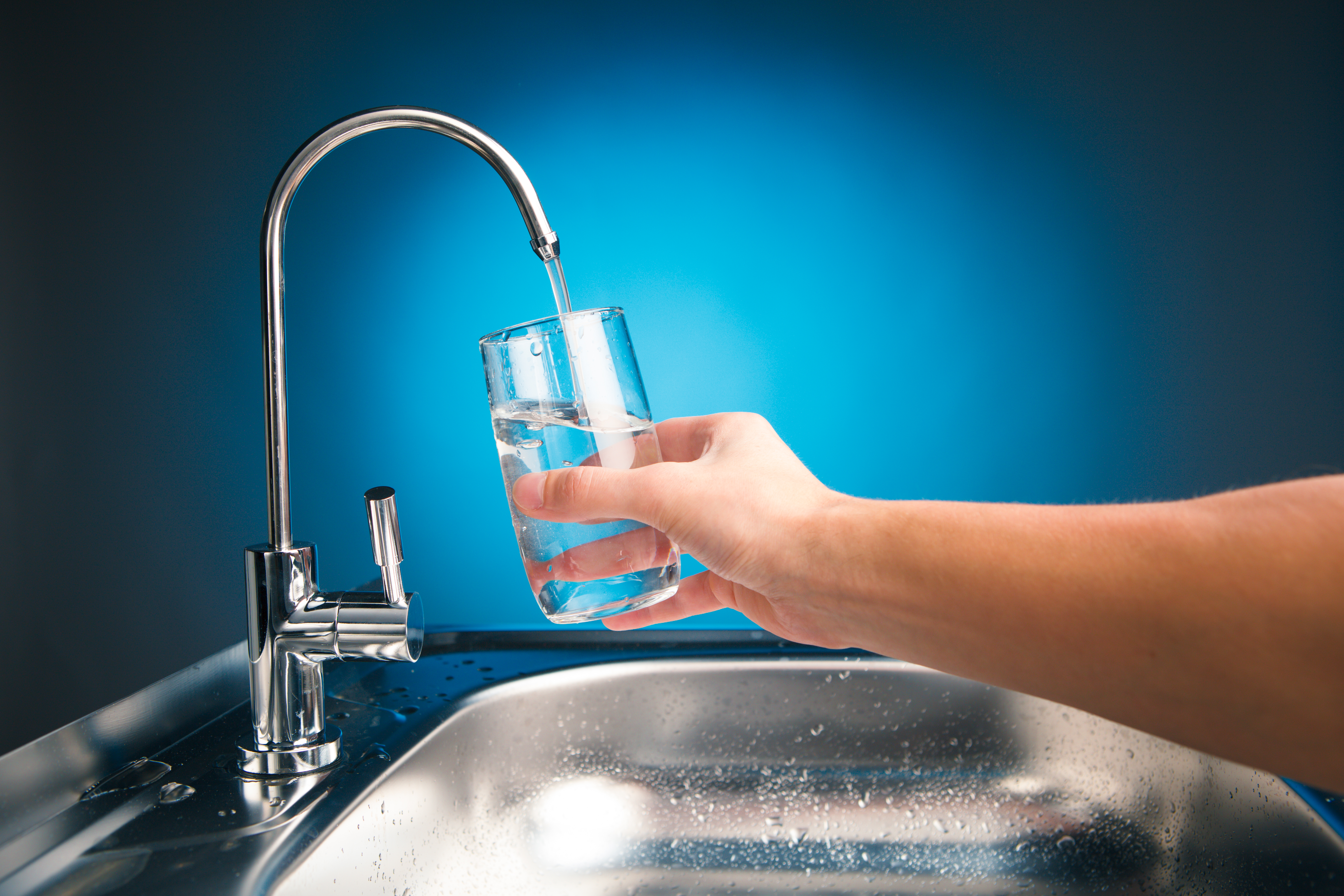
In short, yes. Staying adequately hydrated ensures sugar in the blood does not become too concentrated, and there is some research to show a decreased risk of the development of diabetes with consistent adequate hydration. Additionally, dehydration can trigger the hormone vasopressin, which is known to raise blood sugar.
What is a Normal Blood Sugar Range/Level After Eating Food?
It’s important to remember that blood sugar is supposed to rise after eating. It is a normal response to the digestion and metabolism of the food we eat, particularly carbohydrates, and it provides all our cells with energy. Our goal is to regulate blood sugar and avoid spikes, not to completely avoid rises in blood sugar.
Which Foods Do Not Spike Blood Sugar?
High-protein foods (lean meats, fish, plain Greek yogurt, etc) and healthy fats (avocado, nuts and seeds, fatty fish such as salmon and tuna) typically have a very minimal effect on blood sugar increase. These foods, when eaten in the same meal as carbohydrates, further help to slow digestion and therefore limit sugar spikes. Complex carbs (whole grains, beans, potatoes, and starchy vegetables like squash, corn, peas) contain fiber (which slows digestion) and chemically take much longer to break down and enter the bloodstream, which promotes a gentle rise in blood sugar vs a spike.
Get Personalized Nutrition Counseling
With our Fitness Science team, you will work one-on-one with a registered dietitian to learn about the ins and outs of food and nutrition, how it relates to your current circumstances or training program, and how to practically include personalized strategies into your lifestyle, all the while receiving consistent support to give you the edge and get you to your goals.
Connect with us!



