

Are Earbuds Bad for Your Ears? What Parents and Adults Should Know
Earbuds are small, but their impact on hearing can be big. Worn daily by kids, teens, and adults, they can expose ears to damaging sound levels without obvious warning signs. The good news? A few simple changes can go a long way in protecting hearing.
How Earbuds Affect Your Ears
Sound Exposure and Hearing Loss
Noise-Induced vs. Temporary Hearing Loss
Ear Canal Pressure and Fit Issues
Poorly fitting earbuds can cause pressure, irritation, or even pain in the ear canal. For kids especially, adult-sized earbuds may not fit properly, increasing discomfort and the temptation to turn the volume up.
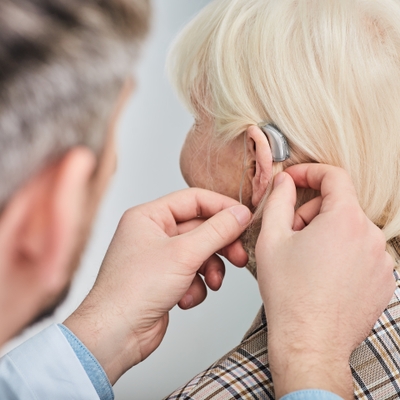
Hearing health is closely tied to balance and brain function, which is why UR Medicine researchers continue to explore the connection between hearing, balance, and the brain.
Are Shared Earbuds a Health Risk?
Sharing earbuds might seem harmless, but it can increase the risk of germ transfer and bacterial or fungal growth. Earwax, moisture, and warmth create an ideal environment for bacteria, which can raise the likelihood of outer ear infections and skin irritation. While earbuds themselves don’t directly cause infections, poor hygiene and sharing can contribute to problems.
It’s unlikely that sharing earbuds would make someone seriously ill, but it’s best to avoid sharing whenever possible, especially among kids. If earbuds are used frequently or shared, regular cleaning is important; knowing how to clean earbuds properly by wiping tips with alcohol wipes and letting them fully dry can help reduce germ buildup.
Are There Safer Alternatives to Earbuds?
“There isn’t strong evidence that over-the-ear headphones are inherently safer than earbuds,” says Dr. Dorothy Pan, MD, PhD, neurotologist at University of Rochester Medical Center. “What matters most is volume level and duration of use. In noisy environments, people often turn up the volume to compensate, regardless of the device.”
Both earbuds and over-the-ear headphones now offer noise-canceling features, which can reduce background noise and allow listeners to hear clearly at lower volumes. When used correctly, noise canceling can be a hearing-protective tool.
Hearing protection also extends beyond everyday listening. Using earplugs at concerts, sporting events, and other loud gatherings helps prevent long-term damage and models healthy hearing habits for both kids and adults.
Hear Today, Hear Tomorrow
“We don’t have treatments that restore sensorineural hearing loss,” says Dr. Pan. “Management relies on hearing aids or cochlear implants, depending on the severity. That’s why prevention is so important.”
Dr. Faria offers a helpful tip. “A good rule to follow is simple. “If anyone else can hear what you’re listening to, it’s too loud.”
Otolaryngology (ENT) at UR Medicine
If you have concerns about your hearing or your child’s, a conversation with a specialist can be a helpful next step. Whether symptoms are new or longstanding, our team at UR Medicine is here to help you and your family hear more clearly.